











 BLOGS
BLOGS  NEWSROOM
  CASE STUDIES
  WEBINARS
  PODCASTS
  ASSET HUB
  EVENT CALENDAR

















Behind every appointment booked, every insurance call made, and every clinical note written, there’s a growing presence of digital support stepping in to handle the grunt work. In 2025, healthcare is no longer just about doctors and nurses. It’s about the silent team members, AI agents, that help hospitals run on time, reduce burnout, and prevent patients from slipping through the cracks.
From assisting with phone calls and appointment scheduling to supporting diagnosis and clinical documentation, these agents are becoming quiet yet powerful contributors to how hospitals, clinics, and healthtech companies manage their operations. They’re not just tools—they’re teammates that work 24/7, don’t get tired, and stick to the script.
The rise of these solutions is largely a response to long-standing industry challenges: shrinking workforces, rising patient expectations, heavy documentation needs, and an increasing demand for personalized care. As healthcare systems seek ways to enhance efficiency and quality without exacerbating burnout, AI agents are stepping in with tangible, practical benefits.
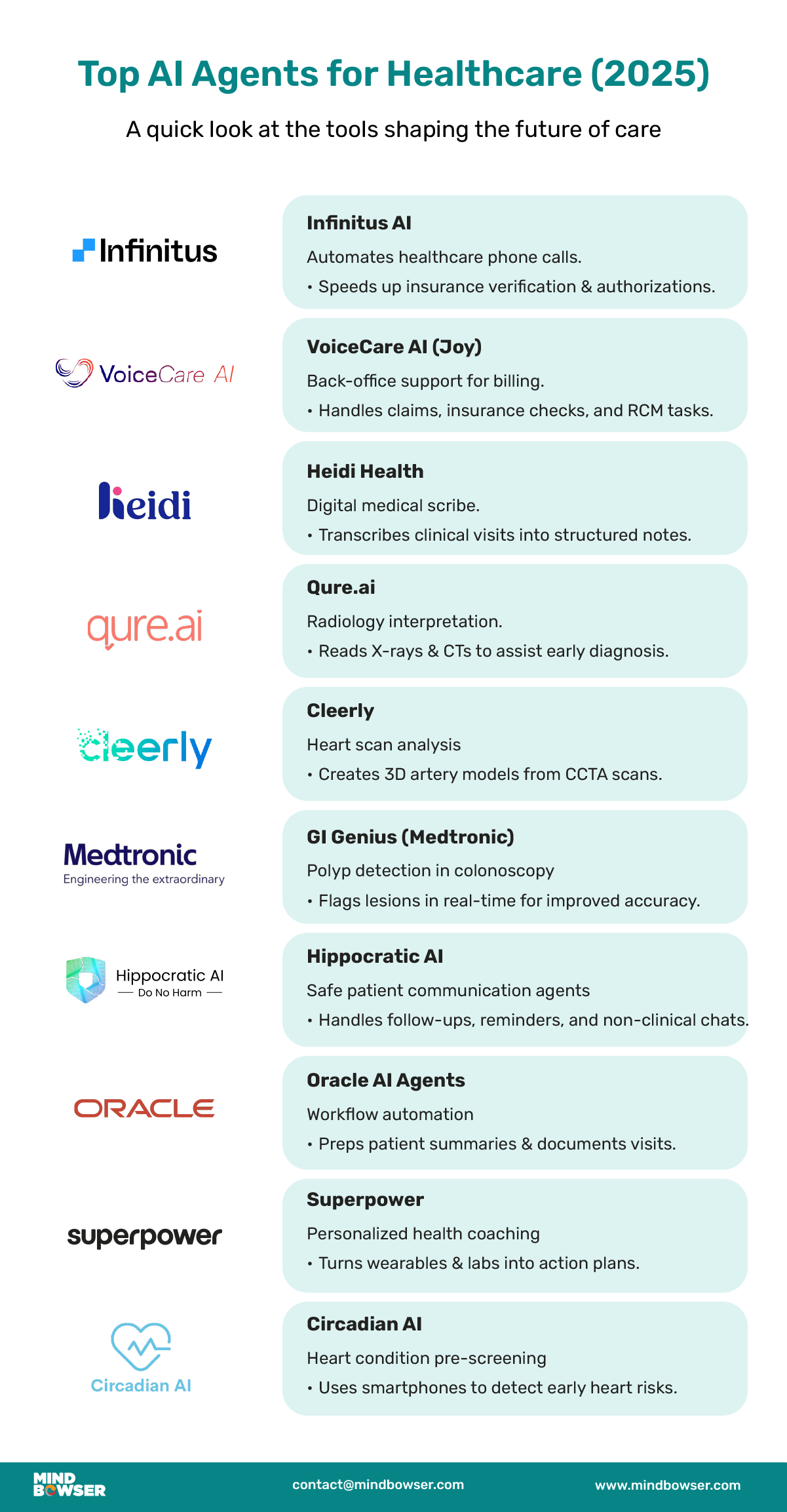
This guide is here to walk you through some of the top AI agents for healthcare that are making a meaningful impact today. It’s not just a list—it’s an inside look at what these top AI agents do, where they’re being used, and how they’re making a difference.
1️⃣ Infinitus AI – Automating Healthcare Communications
One of the most exhausting parts of running a healthcare operation is managing the constant flow of calls—checking insurance benefits, following up on authorizations, coordinating between providers and payers. These aren’t short calls, and they often involve long wait times, repetitive scripts, and multiple handoffs.
Infinitus AI tackles this head-on by taking over those phone-based admin tasks with an always-available voice agent. It doesn’t just mimic a human voice; it understands the flow of healthcare conversations—when to speak, what to say, and how to respond if the script changes mid-call.
What It Does:
Infinitus uses an intelligent voice-based agent to handle outbound and inbound calls that typically require staff to be on the phone. These calls could include insurance verifications, prior authorization requests, or benefits eligibility checks. Instead of a human being stuck on hold, Infinitus does the job.
Why It Matters:
The result is huge time savings for staff and faster processing for patients. Clinics and health systems that use Infinitus no longer have to dedicate hours each day to routine phone interactions. The agent works quickly, logs everything, and reduces the back-and-forth that slows things down.
Where It’s Being Used:
Infinitus is already in use across nearly half of Fortune 50 companies in the healthcare sector. To date, it has completed more than 5 million calls. That’s not just a proof of concept—it’s a sign that this type of automation is already deeply embedded in how modern healthcare operates.
2️⃣ VoiceCare AI – Enhancing Revenue Cycle Management
 ‘
‘
Healthcare billing is a process that involves numerous small yet critical tasks, including insurance checks, coverage confirmations, claim submissions, and follow-ups. These aren’t glamorous jobs, but they’re essential. If something slips through the cracks, it can delay payments or lead to costly denials.
VoiceCare AI was designed specifically to alleviate some of the pressure on revenue cycle teams. Their agent, known as Joy, acts like a digital team member focused on back-office processes that typically require a lot of human intervention and repetitive work.
What It Does:
Joy can handle tasks like checking insurance coverage, verifying benefits, and managing pre-authorization requests. The agent speaks, understands billing workflows, and communicates with payers over the phone—just like a trained staff member would.
Why It Matters:
In a world where claim rejections and delays can hit a provider’s bottom line hard, having a consistent, dependable agent on the job makes a difference. Joy shortens wait times, avoids manual errors, and ensures accurate documentation, which is critical for ensuring that claims are processed smoothly.
Where It’s Being Used:
VoiceCare AI has already partnered with institutions like the Mayo Clinic to test and refine its agent in real-world settings. In these pilots, Joy has been utilized for verifying patient benefits and handling authorization requirements—two areas that often hinder administrative teams.
3️⃣ Heidi Health – AI-Powered Medical Scribe
For many clinicians, the part of the job that takes the longest isn’t the consultation—it’s the paperwork that follows. Writing detailed notes, updating charts, and inputting data into the EHR can easily take up more time than seeing the patient. And when providers are overburdened, documentation quality can slip, which affects everything from continuity of care to billing accuracy.
Heidi Health steps in as a medical scribe—but a digital one that never misses a beat.
What It Does:
Heidi listens in on patient consultations and automatically creates structured, comprehensive medical notes based on the information discussed. It understands clinical language, identifies key symptoms and diagnoses, and formats everything in a way that fits neatly into electronic health records.
Why It Matters:
By eliminating the need for manual note-taking, Heidi gives physicians back time they can spend with patients, or simply end their day earlier. It reduces burnout, maintains consistent records, and minimizes the chances of missing important details. Most importantly, it helps doctors focus on being present during patient interactions, instead of being distracted by a keyboard.
Where It’s Being Used:
Heidi Health is already live in multiple countries, supporting healthcare providers in both public and private settings. It’s helping clinicians spend less time behind a screen and more time where they’re needed most—in front of their patients.
Related Read: AI Agents in Healthcare: Top Use Cases and Leading Solutions
4️⃣ Qure.ai – Advancing Radiology with AI

Medical imaging is one of the most data-heavy areas in healthcare. X-rays, CT scans, and ultrasounds—they all generate information that radiologists need to analyze with care and precision. But in many places, there aren’t enough radiologists to keep up with the demand. Delays in reading scans can lead to delayed diagnoses, which in turn can delay treatment.
Qure.ai is designed to accelerate processes without compromising quality.
What It Does:
Qure.ai provides tools that automatically read and interpret various types of radiology scans. Whether it’s detecting signs of tuberculosis in a chest X-ray or assessing brain bleeds on a head CT, Qure’s technology can flag findings in real-time and provide supporting visuals.
Why It Matters:
In many parts of the world, especially rural or underserved regions, access to expert radiologists is limited. Qure.ai fills that gap by delivering support at the point of care. It helps doctors get a second set of eyes on scans instantly, allowing for faster treatment decisions.
It’s also useful in urban, high-volume settings, where radiologists handle hundreds of images daily. With Qure.ai assisting, they can prioritize urgent cases and ensure that nothing slips through.
Where It’s Being Used:
Qure.ai’s solutions are deployed globally, from hospitals in India to mobile screening units in Africa. Its tools are used by radiology teams, pulmonologists, neurologists, and public health programs to improve access and accuracy in imaging diagnostics.
5️⃣ Cleerly – AI for Cardiovascular Imaging
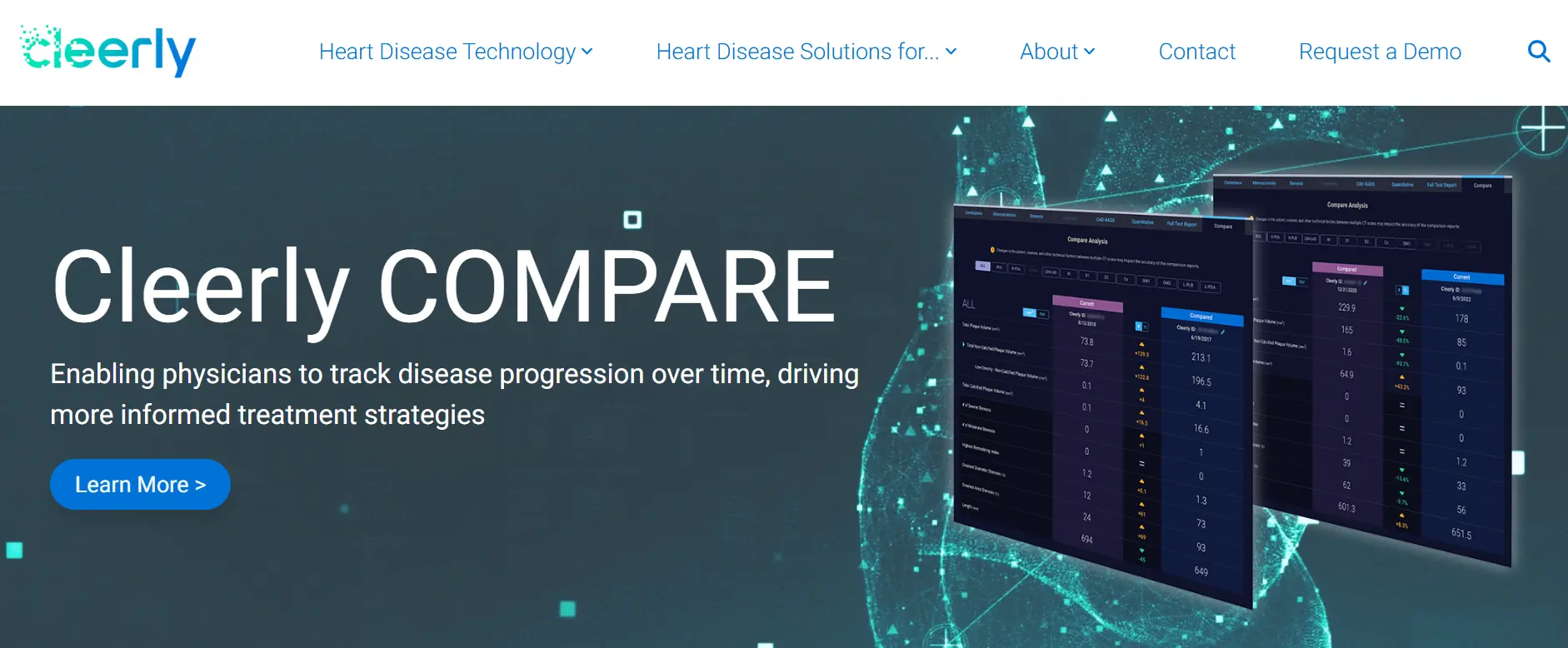
Heart disease remains one of the leading causes of death globally, and early detection is key to preventing serious outcomes. But traditional methods of reading heart scans can be time-intensive and require high-level expertise to catch early signs of trouble. That’s where Cleerly brings a fresh approach to cardiovascular care.
What It Does:
Cleerly uses advanced imaging analysis to assess coronary CT scans. Instead of just spotting a blockage, it examines plaque buildup, artery condition, and subtle changes that may signal developing heart disease. It then produces 3D models of a patient’s coronary anatomy, making it easier for physicians to visualize and explain what’s happening.
Why It Matters:
Doctors can detect risk earlier, make more informed treatment decisions, and track disease progression or improvement over time. Patients also benefit from a clearer understanding of their heart health, thanks to visualizations and easier-to-read reports. Cleerly is especially helpful for preventative care, where catching the warning signs early can lead to better outcomes with fewer interventions.
Where It’s Being Used:
Cleerly is already working with cardiologists and imaging centers to support a more proactive approach to heart care. It’s also being used in clinical studies and wellness programs focused on prevention rather than just treatment.
6️⃣ Medtronic’s GI Genius – AI in Endoscopy
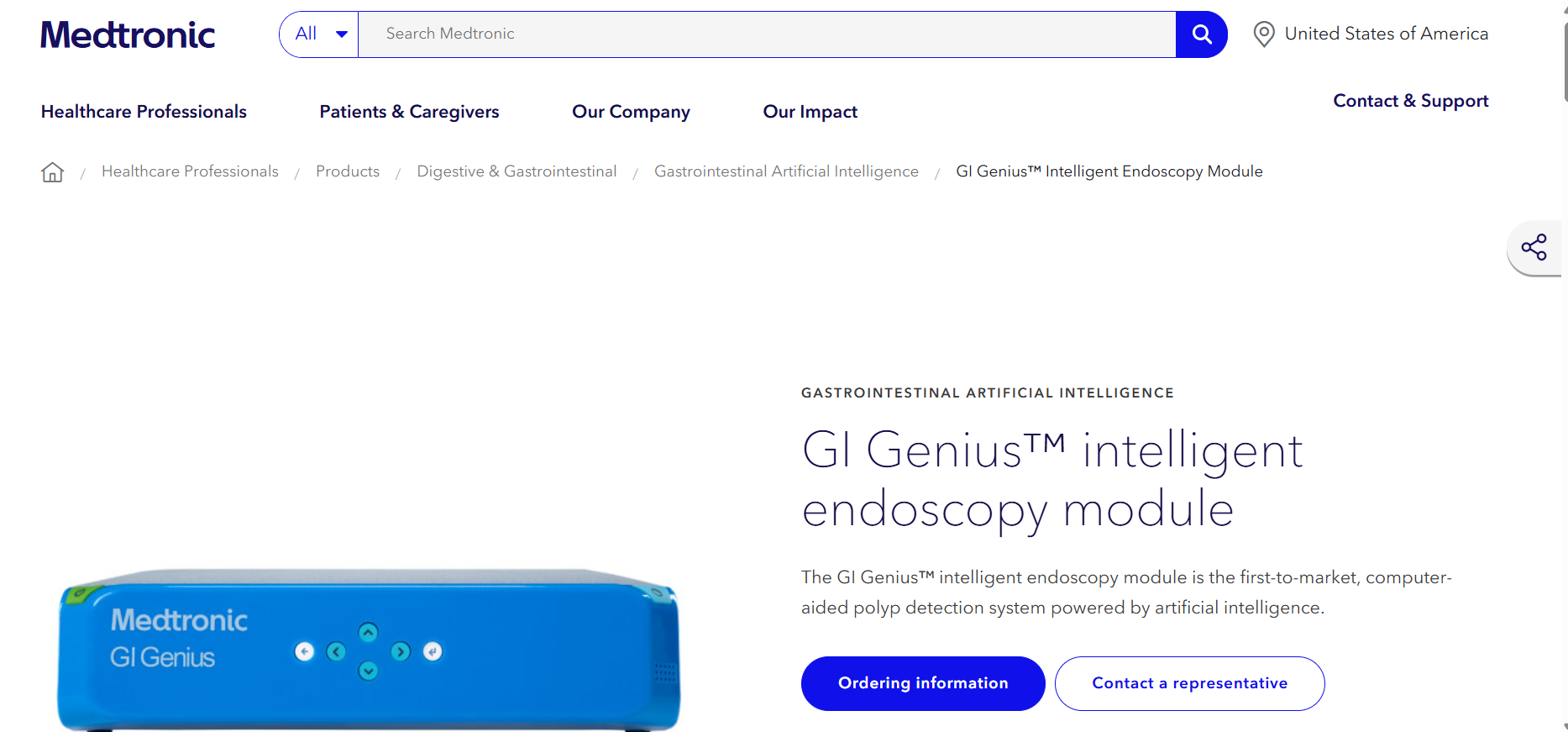
Colorectal cancer is one of the most preventable cancers when caught early, but the key to early detection lies in spotting polyps during colonoscopies. That’s where even a highly experienced endoscopist can sometimes miss tiny or flat lesions, especially during long procedures. GI Genius, developed by Medtronic, steps in as an extra set of eyes in the procedure room.
What It Does:
GI Genius is an assistive module that works in real-time during colonoscopy. As the endoscope moves through the colon, GI Genius actively scans the video feed and flags potential polyps for the clinician to review. It highlights areas of concern visually, giving doctors a prompt to pause and inspect further.
Why It Matters:
Even small polyps, if missed, can develop into something more serious over time. GI Genius helps reduce those chances by supporting detection efforts, especially in cases where fatigue, poor lighting, or rapid scope movement might otherwise cause something to be overlooked. The goal isn’t to replace clinical judgment—it’s to make sure nothing gets missed.
Where It’s Being Used:
GI Genius is already integrated into hospitals and clinics around the world and has been cleared for clinical use in several major markets. It’s being used not just in routine colonoscopies, but also in high-risk patients where extra vigilance is needed.
Related Read: Vertical AI Agents: Transforming Business Operations in Healthcare
Looking to Build Your Own AI Agent?
7️⃣ Hippocratic AI – Safe Patient-Facing AI Agents

Many healthcare tasks don’t require medical judgment, but they still consume a significant amount of time. Consider explaining discharge instructions, scheduling follow-up appointments, or addressing common patient questions. These conversations are important for the patient experience, yet they often add pressure to already overworked teams.
Hippocratic AI is focused on filling this gap, not by handling diagnoses, but by supporting non-clinical interactions safely and reliably.
What It Does:
Hippocratic AI develops voice and chat-based agents that support routine patient communication. These agents are trained to have safe, structured conversations that stay within well-defined boundaries, such as confirming appointments, reminding patients about their medications, or walking them through post-care instructions.
They’re not designed to replace doctors or nurses, but rather to act like helpful front-desk or care coordination staff who can handle the basics and free up time for others.
Why It Matters:
Healthcare organizations are stretched thin, and patient-facing tasks often fall to people who are already juggling multiple roles. By responsibly automating these touchpoints, Hippocratic AI helps organizations improve responsiveness, reduce no-shows, and increase patient satisfaction—without adding headcount.
Where It’s Being Used:
One of the most notable developments is Hippocratic AI’s creation of a Healthcare AI Agent App Store, where clinicians and developers can build, test, and deploy customized agents tailored to their specific needs. This approach gives providers more control and flexibility while ensuring safety stays front and center.
8️⃣ Oracle’s AI Agents – Streamlining Clinical Workflows

When you think of inefficiencies in healthcare, it’s often the simple, repetitive steps that slow things down—registering a patient, collecting history, preparing summaries. These tasks may not be complex, but they accumulate quickly. Oracle’s AI agents aim to take care of them in the background, allowing clinicians to stay focused on care delivery.
What It Does:
Oracle has embedded intelligent agents into both clinical and administrative workflows. For example, a physician can request a patient’s pre-visit summary, and the AI agent will automatically collect recent notes, test results, and upcoming concerns—all neatly compiled and ready for review.
During or after the visit, the same system can generate summaries, update records, and assist with follow-up documentation.
Why It Matters:
By handling the “in-between” steps that often require clinicians to toggle between systems or pause for data entry, these agents improve both speed and accuracy. The result is less cognitive load on providers and more time for meaningful interactions with patients. It’s not about changing how care is given—it’s about smoothing out the steps that support it.
Where It’s Being Used:
Oracle’s AI-powered tools are part of larger healthcare platforms used across hospitals and health systems, especially in facilities already running Oracle Health (formerly Cerner). These agents are being adopted as part of efforts to modernize and simplify day-to-day operations.
9️⃣ Superpower – Personalized AI Health Coach

Staying healthy isn’t just about reacting to illness; it’s about taking proactive steps based on your body’s needs. However, with the vast amount of health data available today, from lab results to wearable devices, it can be challenging for individuals to make sense of it all. Superpower aims to bridge that gap by turning scattered health information into clear, actionable plans.
What It Does:
Superpower is a health coaching platform that combines data from multiple sources, like lab tests, medical records, and fitness trackers, to build personalized wellness plans. These plans cover everything from nutrition and sleep to hormone balance and physical activity.
What makes Superpower stand out is its human-in-the-loop model. While the system crunches the data, trained care professionals review the recommendations to make sure they align with each person’s goals and lifestyle.
Why It Matters:
Everyone’s body is unique, and general advice may not be effective. Superpower helps people take control of their health by providing them with insights tailored to their unique biology. Whether someone is managing fatigue, tracking metabolism, or trying to improve sleep quality, the system provides clarity and structure.
Where It’s Being Used:
Superpower has recently acquired Base, a company specializing in lab-based nutritional analysis. This move enhances their ability to provide personalized health coaching based on actual biomarkers, rather than relying solely on self-reported symptoms. It’s already being used by wellness-forward individuals and healthcare teams looking to support preventive care.
🔟 Circadian AI – Early Detection of Heart Disease
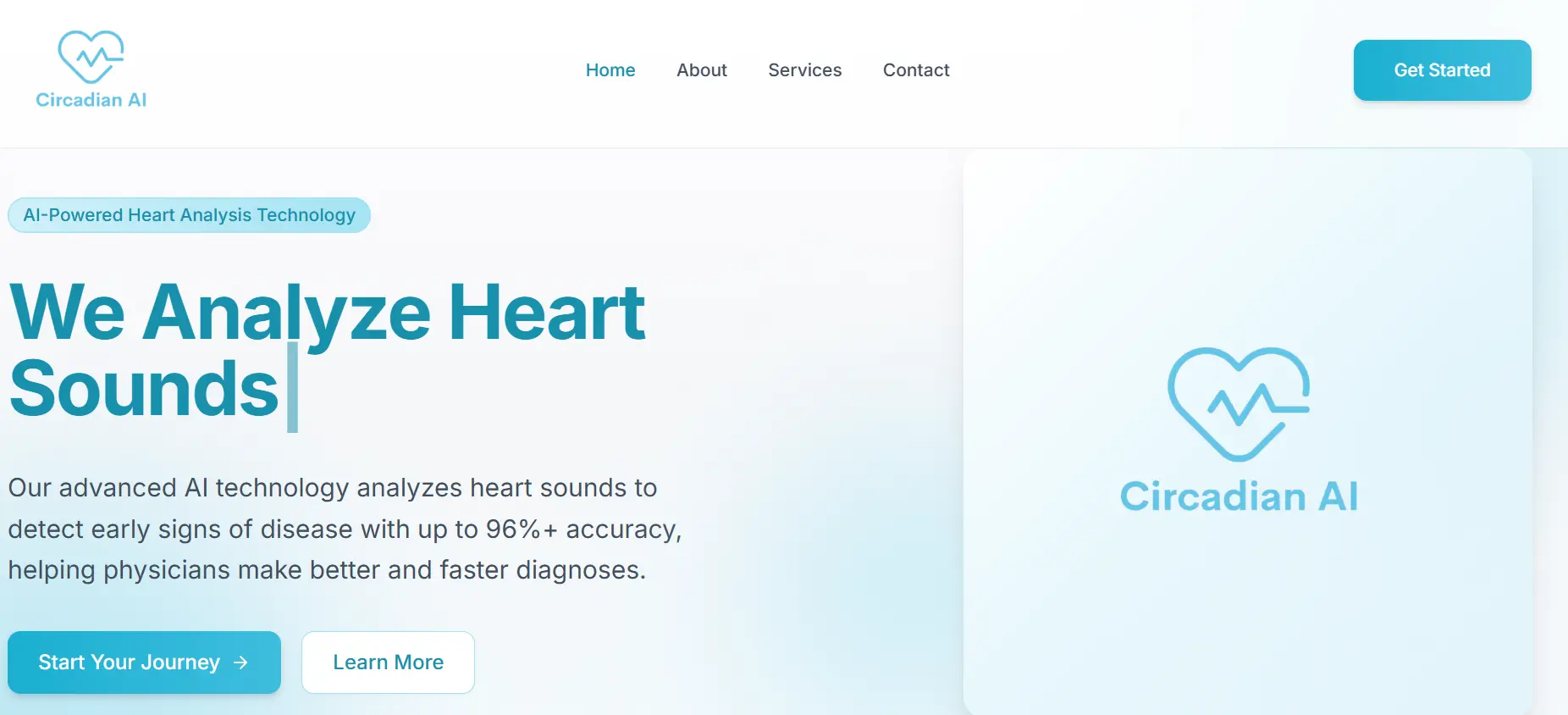
One of the most powerful things technology can do is bring critical health insights closer to everyday life—without needing a hospital visit or expensive equipment. Circadian AI does just that, turning a smartphone into a tool for early heart health screening.
What It Does:
Circadian AI is a mobile app that records heart sounds using a smartphone’s microphone. It then analyzes those sounds to detect early signs of conditions like heart failure. The app works by comparing what it hears to a large database of known patterns, looking for small but meaningful deviations.
Why It Matters:
Cardiovascular issues are often silent until they become serious. By enabling simple, non-invasive screening that can be done from home, Circadian AI opens the door to earlier detection, especially in communities with limited access to cardiologists. It’s fast, accessible, and doesn’t require specialized devices.
What makes this story even more remarkable is that a teenager developed the app with a personal connection to the problem. The technology has undergone clinical trials and has demonstrated promising accuracy, with rates above 96% in some studies.
Where It’s Being Used:
While it’s still early days, Circadian AI is being explored for wider use in both home monitoring and community health settings. Its low barrier to entry makes it a promising tool for screening large populations, particularly in preventive health programs.
How Mindbowser Can Help: Building Custom AI Agents for Healthcare?
As these examples show, AI agents are already playing a meaningful role in healthcare, from front-desk support to advanced diagnostics. But off-the-shelf solutions aren’t always the best fit for every organization. That’s where Mindbowser comes in.
We help healthcare teams design and build custom AI agents that effectively work within their environment, aligned with their data, workflows, and compliance requirements.
Deep Healthcare Experience
Mindbowser has been developing software for the healthcare industry for over a decade. Our team understands how health systems operate, what clinicians need, and what makes a patient-facing product successful.
We’re not just developers—we’re domain specialists. We’ve worked with everything from EHR integrations and wearable data to remote patient monitoring and clinical workflow automation.
We bring expertise in:
🔸 Interoperability standards (HL7, FHIR, SMART on FHIR)
🔸 Compliance and security (HIPAA, SOC 2)
🔸 Complex healthcare workflows, from intake to billing
Custom Agent Development That Fits Your Use Case
Whether you’re looking to:
🔸 Transcribe and summarize clinical notes
🔸 Automate intake and triage
🔸 Handle pre-authorizations or billing follow-ups
Or even design a health coaching experience from lab and wearable data
We help you:
🔸 Define the right use case
🔸 Choose the right foundation models and tools
🔸 Build and deploy AI agents that are safe, scalable, and reliable
🔸 Seamlessly integrate into your existing systems—EHRs, CRMs, practice management software, or your platform
Built to Scale, Not Just to Demo
Our approach focuses on building modular, API-first solutions that can grow with you. That means:
🔸 You can start with a single use case
🔸 Add new features over time
🔸 Stay compliant as regulations evolve
🔸 Deploy across multiple departments or locations without a full rebuild
Results That Speak for Themselves
We’ve helped our partners:
🔸 Cut down physician admin time by over 40%
🔸 Launch agents for triage, documentation, and post-care support
🔸 Automate high-friction workflows like pre-authorization
🔸 Deploy HIPAA-compliant assistants for remote monitoring
Security and Compliance from Day One
Patient data isn’t just sensitive—it’s sacred. That’s why every AI agent we build is grounded in strict privacy protocols, access controls, encryption, and audit logging.
Whether you’re a digital health startup or an established healthcare system, we ensure your technology stays safe and compliant.
Conclusion
AI agents are no longer an emerging trend—they’re already working behind the scenes in healthcare, helping clinics, hospitals, and health tech companies run smoother and respond faster. From reducing wait times and easing documentation pressure to improving early detection and supporting personalized care, these tools are solving real problems.
What makes them effective isn’t just the technology—it’s how they’re being applied. The best AI agents are those that blend into workflows, respect clinical judgment, and quietly handle the repetitive tasks that often bog people down. They’re not trying to replace human care—they’re making it easier to deliver.
As healthcare continues to evolve, AI agents will play a larger role in shaping more efficient, responsive, and patient-centered systems. Whether you’re a clinician, an operations leader, or part of a digital health startup, the time to explore these tools is now.
And if you’re ready to build something tailored to your needs—Mindbowser is here to help.
An AI agent in healthcare is a software tool that performs specific tasks—like documenting patient visits, verifying insurance, or analyzing medical images—without needing constant human input. These agents are designed to work alongside clinicians and staff, helping save time and reduce errors.
Yes, reputable AI agents used in healthcare are built with strict security and privacy standards in mind. Many follow compliance protocols like HIPAA (in the U.S.) and implement encryption, access controls, and audit trails to protect sensitive patient information.
No. AI agents are designed to support—not replace—healthcare professionals. They take on repetitive or administrative tasks so that doctors, nurses, and staff can focus on direct patient care and decision-making.
Start by identifying a high-friction workflow (e.g., documentation, triage, patient communication) and work with a partner like Mindbowser to define the use case. From there, you can explore tools, models, and integrations to build an agent tailored to your needs.