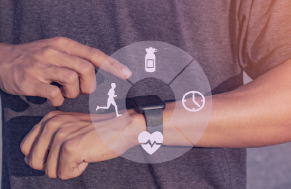
Remote Patient Monitoring (RPM) – Providers can use wearable devices to remotely monitor patients’ vital signs and health metrics, enabling proactive intervention and management of chronic conditions.
Clinical Decision Support (CDS) – Providers leverage patient data stored in the EHR system to receive real-time clinical decision support, such as alerts for drug interactions, evidence-based treatment recommendations, and risk assessments.
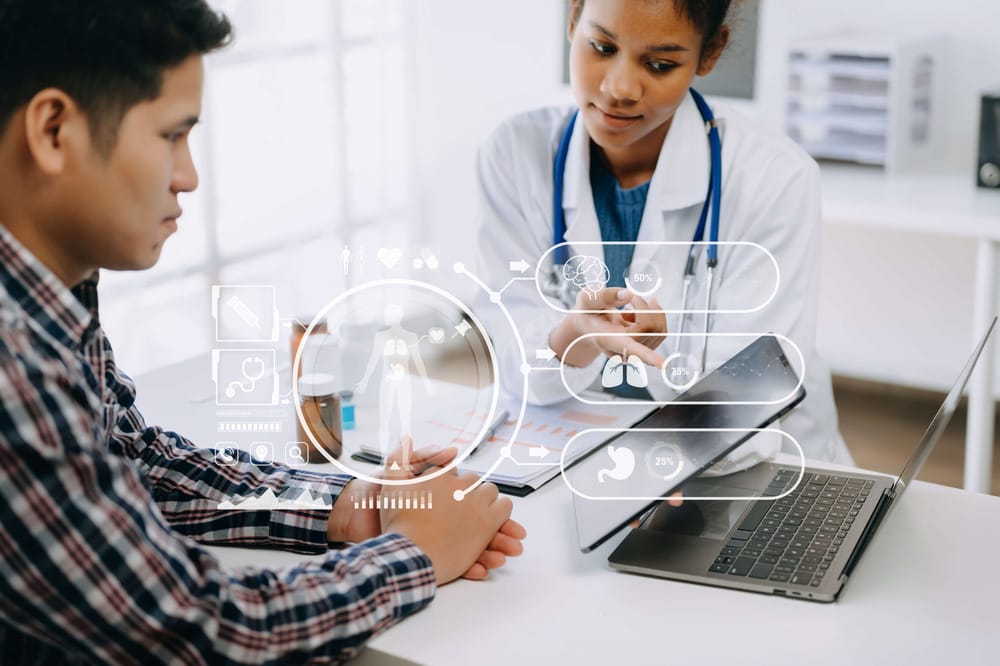
Telemedicine and Virtual Consultations – Healthcare providers conduct virtual consultations with patients, accessing their EHR data to inform diagnosis and treatment decisions, while also ensuring secure communication and information exchange.
Precision Medicine and Personalized Treatment Providers utilize patient genetic and molecular data to tailor treatment plans, therapies, and medication regimens based on individual patient profiles, enhancing treatment efficacy and minimizing adverse effects.
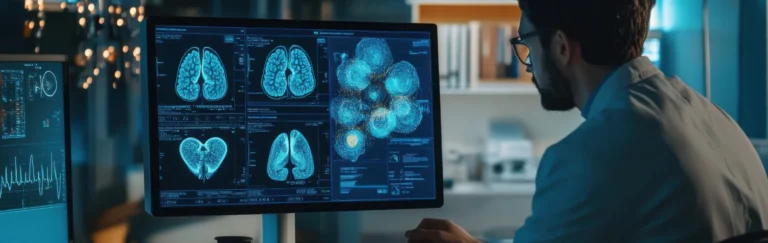
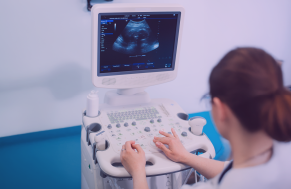
Medical Imaging and Diagnostic Tests Providers store and access medical images and diagnostic test results within the EHR system, facilitating timely diagnosis, treatment planning, and collaboration among specialists.
Care Coordination and Collaboration: Healthcare teams collaborate and share patient data, care plans, and treatment recommendations within the EHR system, ensuring seamless care coordination, continuity of care, and improved patient outcomes.















 BLOGS
BLOGS  NEWSROOM
  CASE STUDIES
  WEBINARS
  PODCASTS
  ASSET HUB
  EVENT CALENDAR