Empowering payors with intelligent, compliant solutions for seamless healthcare operations.
Read More
Transforming healthcare delivery through AI-powered automation & regulatory expertise.
Explore Solutions
Accelerating SMART on FHIR app development with secure, compliant healthcare data access.
Explore Solutions
Best Speech Therapy EHR: SLP Solutions 2026
Read More →
Best Optometry EHR: Built for Your Practice’s Workflow
Read More →
Best Occupational Therapy EHR: Top Solutions for OT Scheduling, Billing & Clinical Documentation (2026)
Read More →
Rural RPM Must Be Designed Around Clinician Capacity, Not Data Volume
Read More →
Ayush Jain on How EHR Data Is Reshaping Real-World Evidence
Read More →
Ayush Jain in Forbes on Why EHR Modernization Must Start With Security
Read More →
Automated Dental Eligibility Verification Cuts Admin Work by 40%
Read More →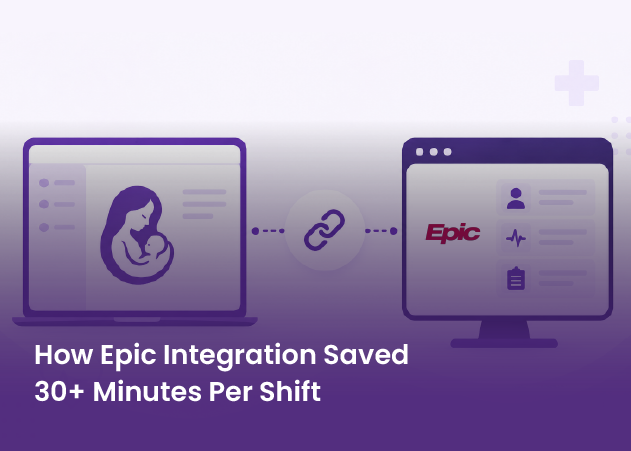
Epic SMART on FHIR Integration for Labor & Delivery
Read More →
BLE Remote Monitoring App for Elderly Patient Care
Read More →
From 20 Minutes to 20 Seconds: Automate Dental Eligibility, Claims & Collections Without Leaving Your PMS
Watch Now →
From Clicks to Care: How Healthcare Leaders Are Building Autonomous Operations with AI on AWS
Watch Now →
Reimagining Rural Care in the AI-First EHR Era
Watch Now →
Tune into expert-led healthcare podcasts on innovation, compliance, & digital transformation.
Watch Now →







At Mindbowser, we guide UX designers through the wireframing process with precision and expertise. Our approach transforms your ideas into user-friendly, effective digital products. Whether you’re new to UX or aiming to refine your skills, our solutions will improve your design workflow and project outcomes.
The wireframing process is a crucial step in UX design where designers create basic layouts of web pages or apps. It focuses on functionality, user flow, and content placement before visual design elements are added. This process helps teams visualize and test ideas quickly.
We help you navigate the sea of wireframing tools available. Our experts assess your project needs and recommend the most suitable options, considering factors like team size, project complexity, and your existing workflow. This guidance saves you time and ensures you use the right tools for your tasks.
We teach you how to create wireframes with the right level of detail. Our approach focuses on including essential elements without overcomplicating the design. You’ll learn to create clear, purposeful wireframes that communicate your ideas effectively to both stakeholders and developers.
We show you how to seamlessly incorporate wireframing into your overall UX process. Our methods help you use wireframes at the right stages of your project, from initial concept exploration to user testing. This integration leads to more cohesive designs and smoother project progression.
Our team shares techniques for quick wireframe iterations. You’ll learn how to efficiently refine your designs based on feedback and testing results. These skills allow you to explore multiple design options swiftly, leading to better final products and reduced development time.
We equip you with strategies to present wireframes effectively to stakeholders. You’ll learn how to explain your design decisions, gather useful feedback, and gain approval for your concepts. These skills help you build trust with your team and clients, leading to smoother project execution.
Our experts share industry-proven wireframing best practices. You’ll learn how to create consistent, scalable wireframes that translate well into final designs. These practices help you work more efficiently and produce higher-quality results across all your projects.
We help you navigate the sea of wireframing tools available. Our experts assess your project needs and recommend the most suitable options, considering factors like team size, project complexity, and your existing workflow. This guidance saves you time and ensures you use the right tools for your tasks.
We teach you how to create wireframes with the right level of detail. Our approach focuses on including essential elements without overcomplicating the design. You’ll learn to create clear, purposeful wireframes that communicate your ideas effectively to both stakeholders and developers.
We show you how to seamlessly incorporate wireframing into your overall UX process. Our methods help you use wireframes at the right stages of your project, from initial concept exploration to user testing. This integration leads to more cohesive designs and smoother project progression.
Our team shares techniques for quick wireframe iterations. You’ll learn how to efficiently refine your designs based on feedback and testing results. These skills allow you to explore multiple design options swiftly, leading to better final products and reduced development time.
We equip you with strategies to present wireframes effectively to stakeholders. You’ll learn how to explain your design decisions, gather useful feedback, and gain approval for your concepts. These skills help you build trust with your team and clients, leading to smoother project execution.
Our experts share industry-proven wireframing best practices. You’ll learn how to create consistent, scalable wireframes that translate well into final designs. These practices help you work more efficiently and produce higher-quality results across all your projects.
Our wireframing process puts users first. We help you create designs that address real user needs and behaviors. This approach leads to more intuitive interfaces and higher user satisfaction, ultimately resulting in products that perform better in the market.
We teach you to create wireframes that scale well across different devices and screen sizes. Our techniques ensure your designs remain functional and visually appealing whether viewed on a smartphone, tablet, or desktop computer. This scalability saves time and resources in the long run.
Our process includes creating interactive wireframe prototypes. These allow you to test user flows and interactions early in the design phase. By identifying and fixing usability issues at this stage, you’ll save time and resources during development.
We set up collaborative wireframing workflows that keep your entire team in sync. Our methods facilitate easy sharing, commenting, and version tracking of wireframes. This collaboration leads to better communication, fewer misunderstandings, and more cohesive final designs.
Our wireframing process emphasizes responsive design principles. We show you how to create layouts that adapt smoothly to different screen sizes and orientations. This approach ensures your designs work well across all devices, improving user experience and reducing development complexity.
We implement version control in the wireframing process. This feature allows you to track changes, revert to previous versions if needed, and maintain a clear history of your design evolution. It provides peace of mind and flexibility as you refine your wireframes.

By mastering the wireframing process, you’ll speed up your entire design cycle. Efficient wireframing allows for quicker iterations and clearer communication with stakeholders. This efficiency leads to faster approvals and reduced time-to-market for your digital products.
Effective wireframes serve as a universal language for your team. They help designers, developers, and stakeholders align on project goals and functionalities. This improved communication reduces misunderstandings and keeps your projects running smoothly.
Well-executed wireframes prevent costly changes later in development. By addressing usability and functionality issues early, you minimize the need for major revisions during coding. This foresight leads to more predictable development costs and timelines.
Wireframes focused on user needs result in more intuitive final products. By testing and refining user flows at the wireframe stage, you create interfaces that users find easy and enjoyable to navigate. This attention to user experience translates into higher satisfaction and retention rates.
Wireframes provide an ideal format for early usability testing. Their simplicity allows users to focus on functionality without being distracted by visual design elements. This targeted testing helps you identify and fix core usability issues before investing in detailed designs.
Handoff Clear, detailed wireframes make the transition from design to development smoother. They provide developers with a precise blueprint of functionality and layout, reducing questions and back-and-forth during implementation. This clarity leads to more accurate estimates and fewer delays.
We start by thoroughly understanding your project goals, target audience, and functional requirements. This stage involves stakeholder interviews, user research, and competitive analysis to ensure we have a solid foundation for the wireframing process.
We map out the key user flows within your product. This step helps identify the critical paths users will take and informs the structure of our wireframes. We focus on creating logical, efficient journeys that meet both user needs and business objectives.
We begin with quick, hand-drawn sketches to explore multiple layout options rapidly. This low-commitment approach allows us to iterate quickly and consider various solutions before moving to digital tools. It’s a crucial step for innovation and problem-solving.
Using professional wireframing tools, we transform the approved sketches into digital wireframes. These provide a clearer representation of layout, functionality, and content hierarchy. We ensure consistency across different screens and user flows at this stage.
We present the digital wireframes to stakeholders for review. This step allows for early input and alignment on the proposed solutions. We gather feedback systematically and prioritize changes based on user needs and project goals.
Based on stakeholder feedback and initial usability insights, we refined the wireframes. This iterative process might involve multiple rounds to ensure we address all concerns and optimize the user experience fully before moving to high-fidelity designs.
We've worked across various sectors, gaining insights into industry-specific user behaviors and design trends. This knowledge allows us to create wireframes that not only look good but also align with your industry's best practices and user expectations.
Our wireframing process starts with a thorough analysis of your business objectives. We craft layouts and user flows that directly support your key performance indicators, ensuring that the final product drives the results you're after.
We design wireframes with both current needs and future scalability in mind. Our layouts accommodate potential feature additions and content expansions, providing a solid foundation for your product's growth without requiring a complete redesign.
We don't rely on guesswork. Our wireframing process incorporates user research, analytics, and A/B testing results. This data-centric approach leads to wireframes that are not just visually appealing but also optimized for user engagement and conversion.
We provide detailed breakdowns of our wireframing process and associated costs. Our team maintains open lines of communication throughout the project, keeping you informed and involved at every stage. No hidden fees or surprise revisions – just honest, straightforward service.
Our refined wireframing workflow eliminates inefficiencies and focuses on producing high-quality outputs quickly. We use collaborative tools and agile methodologies to keep projects on track and deliver wireframes that exceed expectations without unnecessary delays.

An US-based dental membership company wanted to redesign its website to offer a more personalized and user-friendly experience. We tackled technical challenges like data integration and user segmentation through design sprints and built a modern website with a clear information architecture, engaging visuals, and strong SEO practices.

The lifeTap platform was built in phases over a period of time and by a diverse team. The client wanted to upgrade the app from the scratch in order to maximize the user experience. The previous version of the app had many shortcomings in the performance and visual departments. The client wanted a sturdy app with visuals that appeal more to the end-user. To clear out the thought process of the client and make a robust vision we conducted Design Sprint to ideate possible solutions.

























































Delivering the best solutions starts with understanding the business needs. Our approach is tailored to meet your unique goals and objectives.
Our product development cycle involves various stages, including design, development, testing and launch. Our iterative process ensures that all builds meet requirements and enhance user experience. We monitor the performance and identify improvement areas.
Learn MoreBacked with Design Sprint practice, we help our customers evolve their products and plans. A Design Sprint is a series of meticulously designed steps, conceptualized by Google to build better user experience and design thinking into the products.
Learn MoreMindbowser’s scrum framework is designed to help you deliver your sprints faster and with more continuous empowerment. With Agile approach you become flexible and responsive to changing needs and priorities, delivering high-quality services quickly and efficiently.
Learn MoreWe emphasize iterative processes to develop and release products or services rapidly. We rely on data-driven insights and metrics to ensure informed decisions are validated. With such an approach you can achieve high-quality and reliable outcomes.
Learn MoreWe use the best DevOps practices to ensure proper project environments. This includes daily commits and performance dashboards to bring predictability. The team commits code every day so that daily progress can be tracked.
Learn MoreWith rapid prototyping, our team creates low-fidelity and interactive prototypes that can be shared with users and stakeholders for feedback. We identify and address potential problems or issues early in the development process, reducing the risk of costly mistakes.
Learn MoreWe prioritize clean code to create more maintainable software with fewer bugs and errors. Our experienced developers are skilled in writing clean, efficient, and well-structured code, ensuring that our products are reliable, scalable and of the highest quality.
Learn MoreOur approach to Smart QA is nothing but a combination of human expertise and AI capabilities, revolutionizing software delivery. The innovative QA approach improves the efficiency of our testing practices and ensures the delivery of high-quality software that meets the evolving needs of the industry.
Learn MoreWe prioritize zero-trust security as a key element of our approach to information security. Our experienced team of security experts leverages cutting-edge tools and technologies to implement a robust zero-trust architecture that protects the data and assets.
Learn MoreOur launch and support services are designed to help our clients achieve their goals after launch and over the long term. We provide ongoing support and maintenance, including bug fixes, feature updates, and security, to ensure the products and services run well.
Learn MoreWe use industry-standard tools like Sketch, Figma, and Adobe XD for digital wireframing. Our choice depends on your team’s preferences and the specific needs of your project. We’re flexible and can adapt to your existing toolset if required.
The duration varies based on project complexity, but most wireframing phases last 2-4 weeks. This timeframe includes initial sketches, digital wireframe creation, stakeholder reviews, and iterations. We work efficiently to keep your project moving forward.
Absolutely. Wireframes are crucial for mobile app design. They help us plan user flows, test navigation patterns, and ensure the content fits well on smaller screens. Our process adapts to create effective wireframes for both web and mobile applications.
Wireframes focus on layout, structure, and functionality, using basic shapes and placeholder text. Mockups, on the other hand, include visual design elements like colors, typography, and images. Wireframes come earlier in the process and are used to establish the core user experience.
Partner with us to design, build, and scale digital solutions that drive better outcomes.
Global Tech Teams LLC, 525 Washington Blvd, Industrious at Newport Tower, Jersey City, NJ 07310, United States.
Let’s discuss your goals, workflows, and next steps in a focused consultation call.
 Schedule a Call











 BLOGS
BLOGS  NEWSROOM
  CASE STUDIES
  WEBINARS
  PODCASTS
  ASSET HUB
  EVENT CALENDAR