BLOGS
BLOGS  NEWSROOM
  CASE STUDIES
  WEBINARS
  PODCASTS
  ASSET HUB
  EVENT CALENDAR






















Delivering exceptional results isn’t just about the final product- it’s about the journey to get there. At Mindbowser, we have developed a framework that creates trust, establishes collaboration, and ensures success at every step. From aligning stakeholder’s visions during onboarding to post-launch optimization, we emphasize clarity, predictability, and excellence.
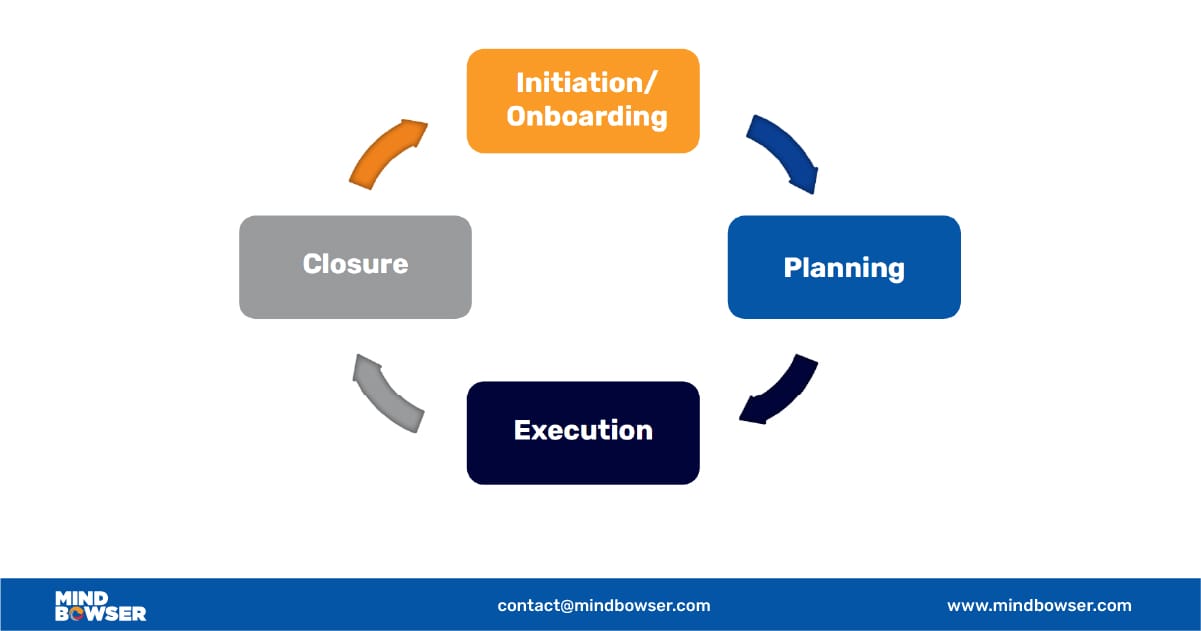
In this blog, we will explore the details of each aspect of this vision—onboarding, sprint zero, execution, and closure. It represents our approach guaranteeing amazing outcomes for every project.
The Four Pillars of Our Process
➡️ Onboarding: Setting the Stage for Success
We begin every project by aligning stakeholders, ensuring clarity, and preparing resources for a seamless start.
➡️ Sprint Zero: Charting the Course
This planning phase establishes a clear roadmap, mitigating risks and ensuring predictable execution.
➡️ Execution: Turning Vision into Reality
The heart of our process, where transparency, collaboration, and automation converge to deliver excellence
➡️ Closure: Beyond Delivery
Every project ends with stability, celebration, and planning for future growth.
1. Onboarding: Setting the Stage for Success
Onboarding brings teams together, aligns visions, and ensures readiness. A well-executed onboarding phase sets the tone for the entire project.
a) Vision Articulation Workshops
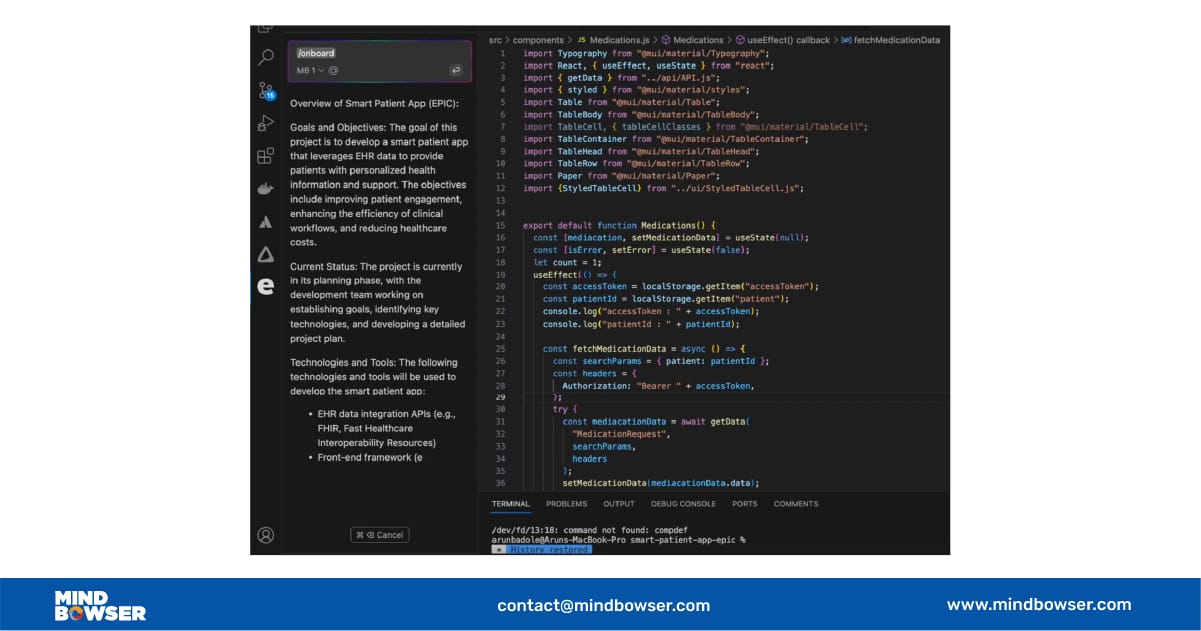
We begin by understanding the “why” behind the project. Our workshops focus on breaking down broad business goals into actionable project objectives. We engage stakeholders to identify priorities, risks, and opportunities, ensuring everyone shares the same vision.
🔹What we do:
- Map out client objectives into tangible deliverables.
- Address misalignments between business and technical teams.
- Create a visual roadmap that acts as a reference throughout the project.
🔹Why it matters:
With clarity in vision, teams can avoid delays and rework. This step ensures a shared understanding that guides decisions.

b) Strategic Kickoff Sessions
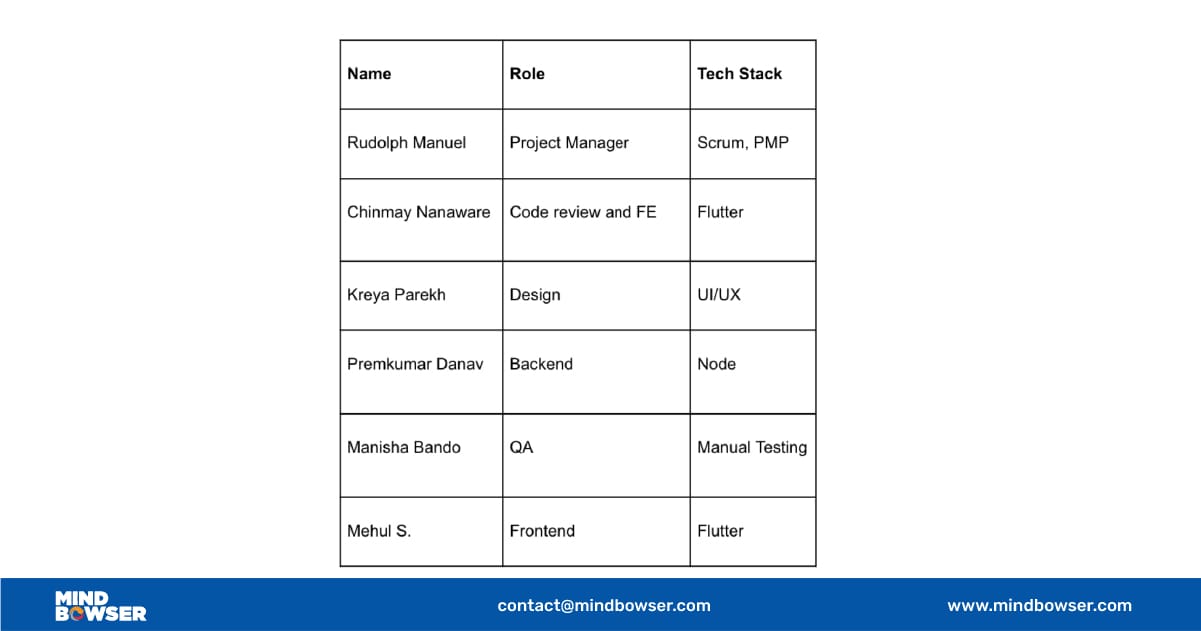
In these sessions, we define the “who” and “how” of the project. This is where roles, responsibilities, and workflows are laid out in detail.
🔹Key activities:
- Identify decision-makers, collaborators, and SMEs.
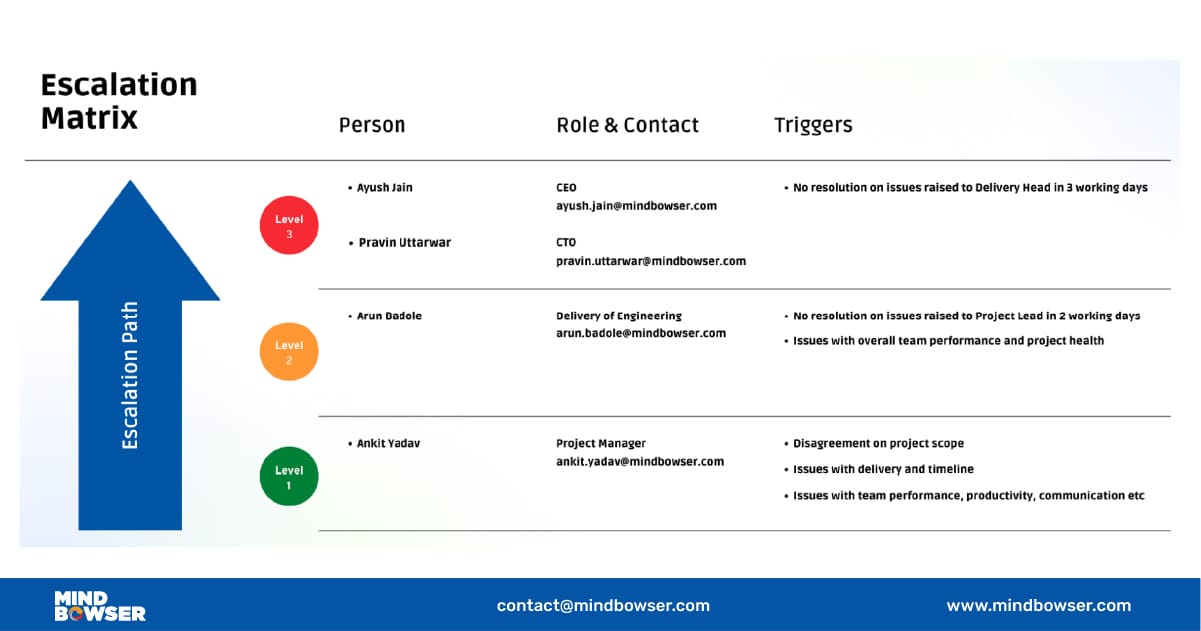
- Establish reporting structures and communication channels.
- Develop a plan for conflict resolution and issue escalation.
🔹Why it matters:
Kickoff sessions reduce miscommunication and ensure every team member understands their role, leading to faster decision-making.
c) Readiness Checklists
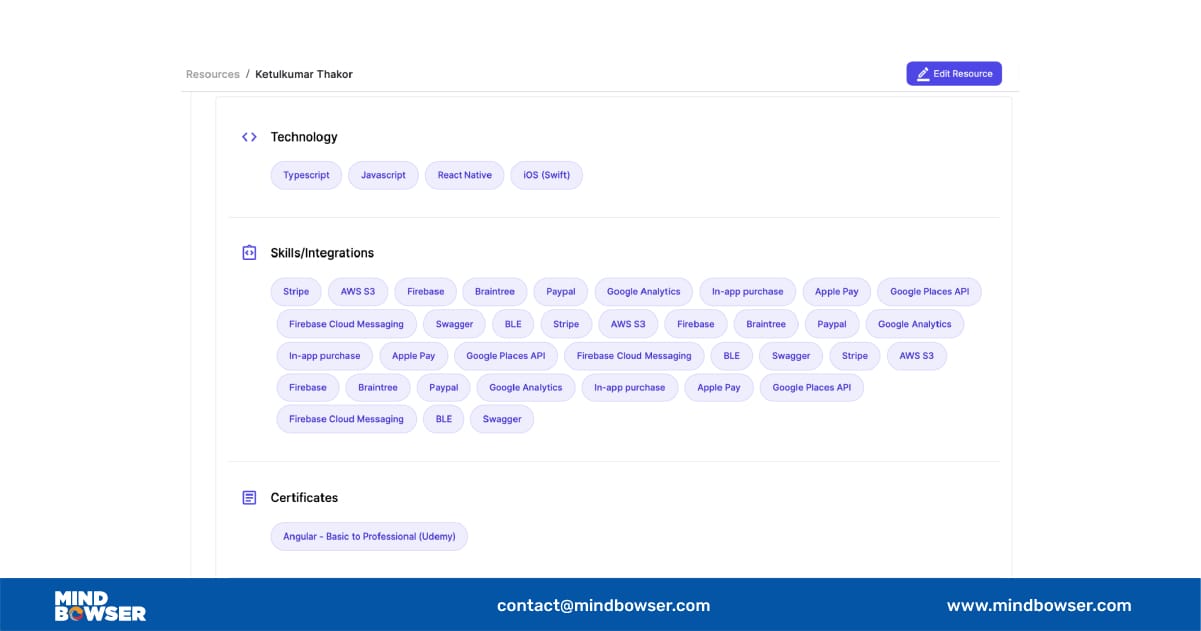
Think of this as the final pre-flight check. We ensure all technical and operational resources are in place before development begins.
🔹What it Includes:
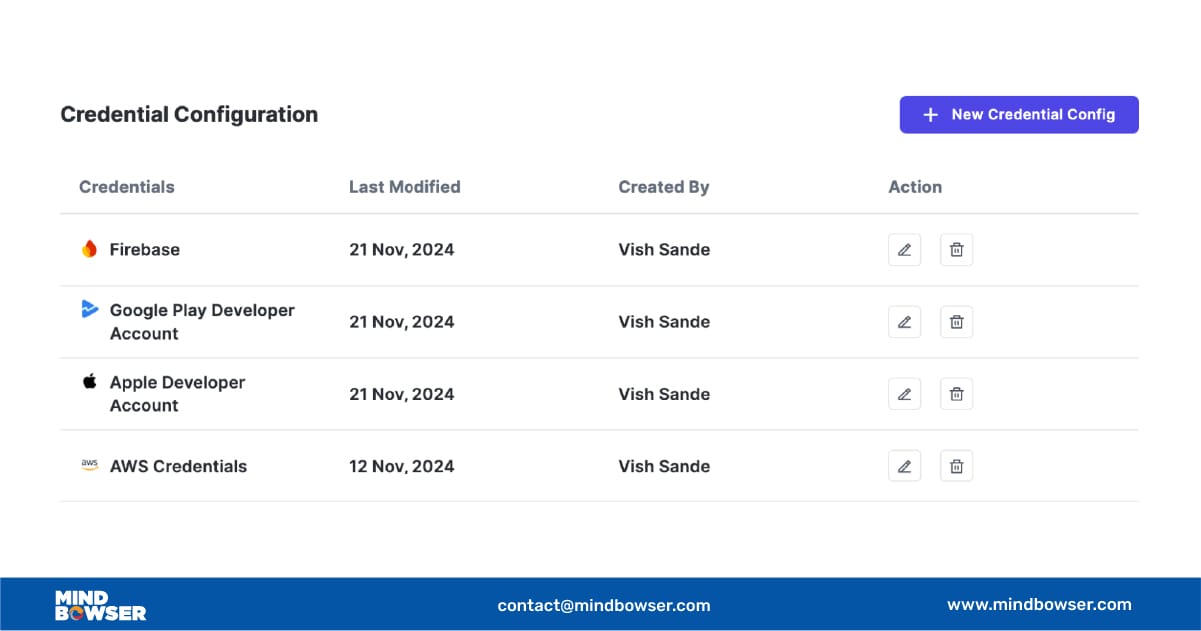
- Verifying access to tools, accounts, and environments.
- Ensuring the readiness of internal and external teams.
- Confirming all documentation, workflows, and schedules are finalized.
🔹Why it matters:
Readiness checklists prevent delays caused by missing resources or dependencies, ensuring the team is fully prepared.
2. Sprint Zero: Charting the Course
Sprint Zero is the strategic phase where we lay the foundation for predictable and scalable project execution.
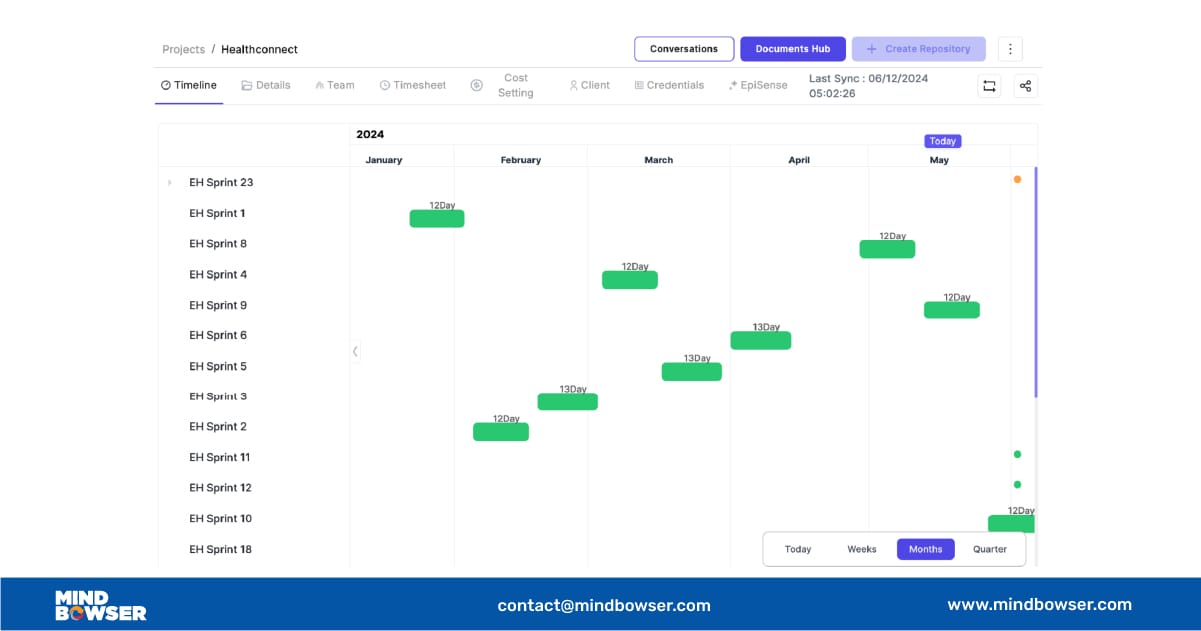
a) Deliverables Blueprint
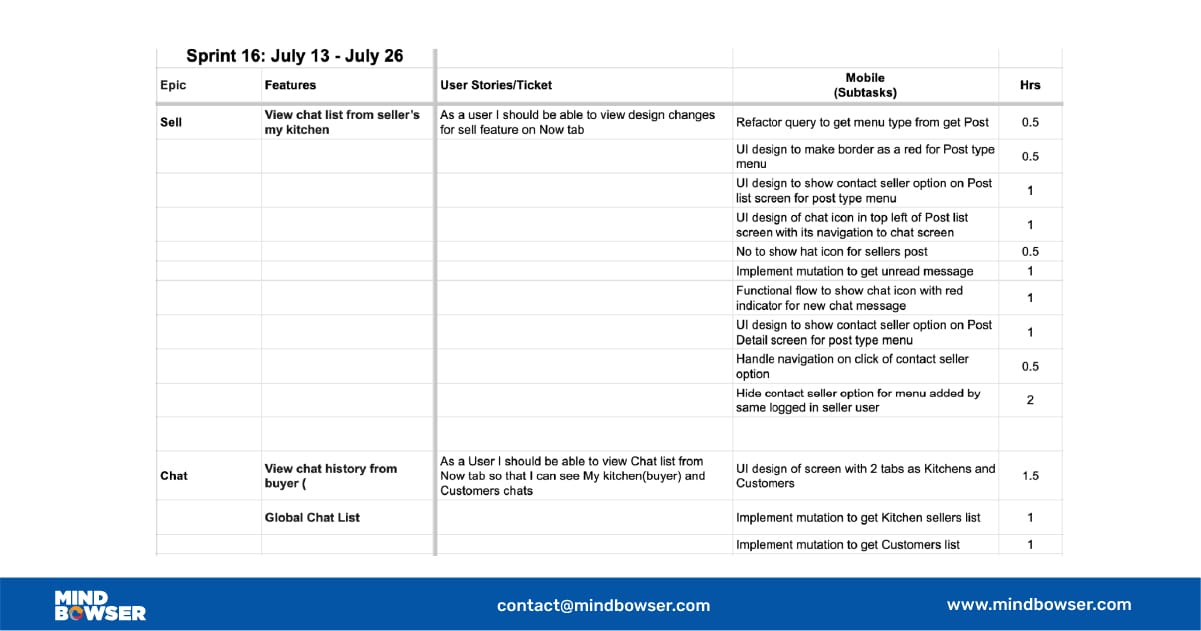
This step defines the “what” of the project. We map out every milestone, deliverable, and dependency.
🔹Key components:
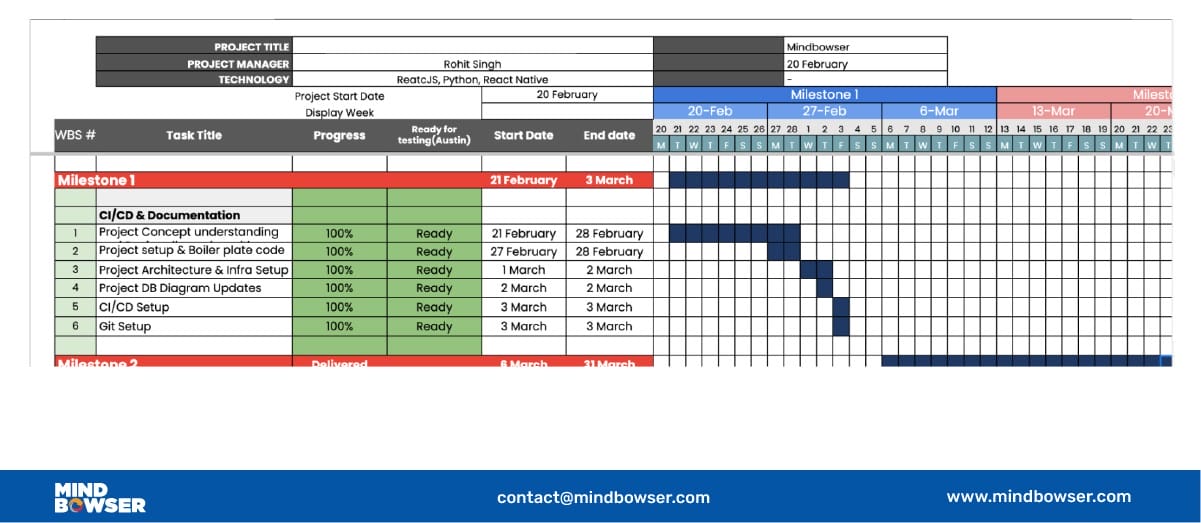
- Detailed Gantt charts with timelines for each phase.
- Definition of acceptance criteria for each deliverable.
- Collaboration with stakeholders to finalize scope and expectations.
🔹Why it matters:
Ambiguity in deliverables often leads to scope creep. This blueprint keeps the team focused and on track.
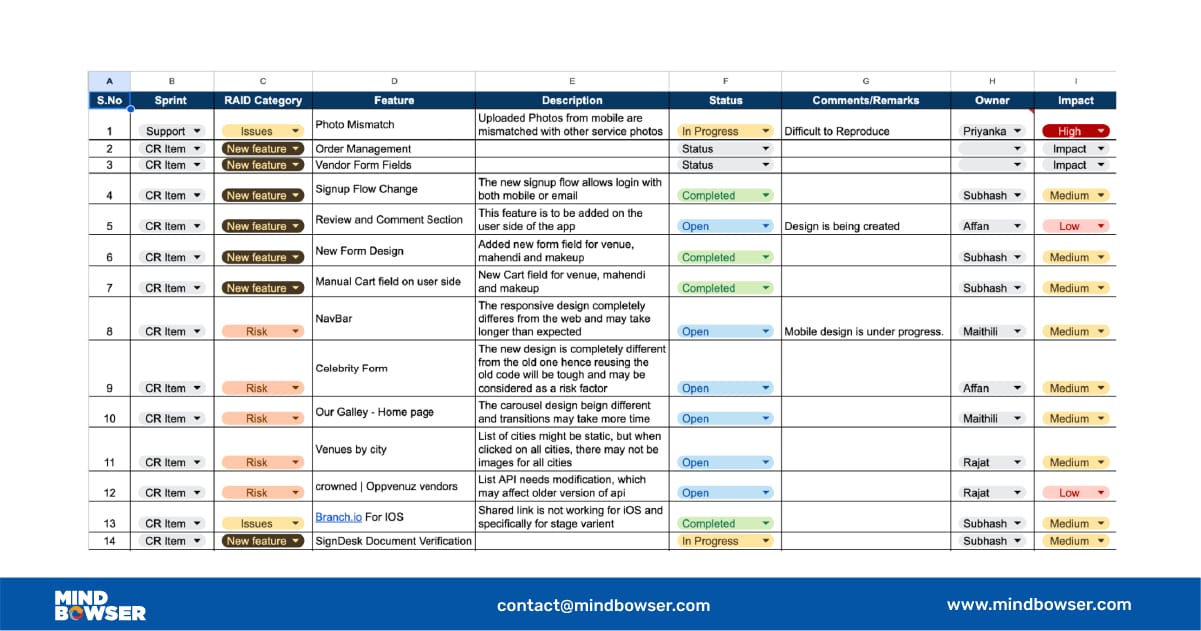
b) Risk Management (RAID Logs)
We proactively identify risks, assumptions, dependencies, and issues. Every potential challenge is logged, and an owner is assigned to mitigate it.
🔹Key Actions:
- Use RAID logs to track risks throughout the project lifecycle.
- Develop mitigation plans for high-priority risks.
- Regularly review and update logs to adapt to changes.
🔹Why it matters:
Proactive risk management reduces the likelihood of delays and ensures the team is prepared for challenges.
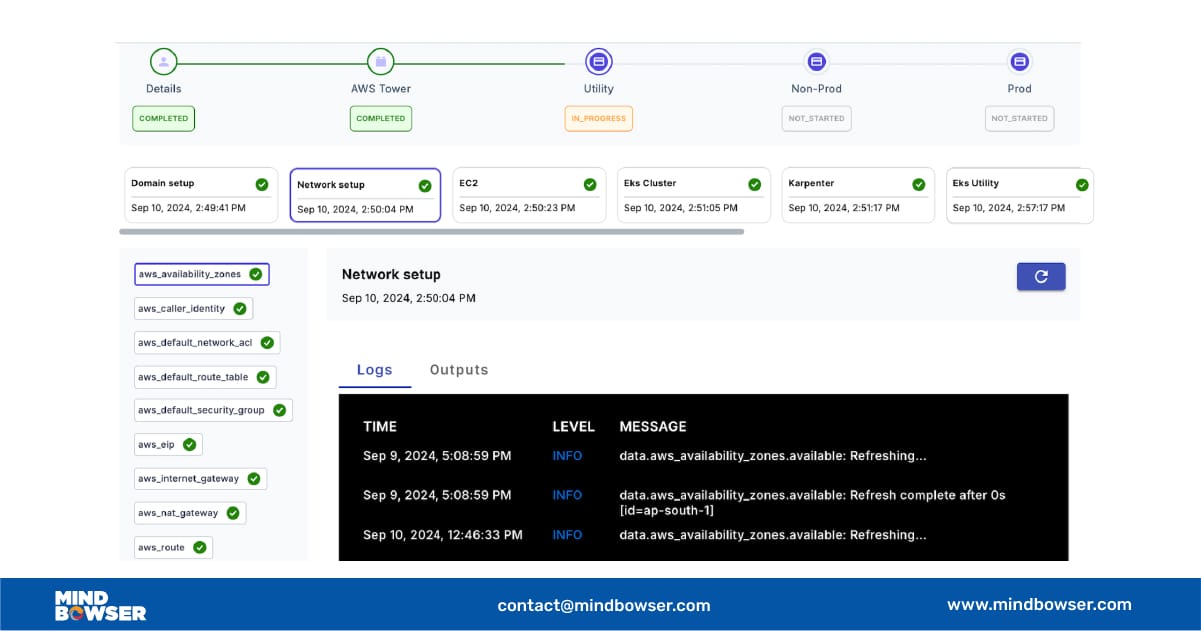
c) Accelerators for Speed
We use prebuilt frameworks, boilerplates, and tools to accelerate development without compromising quality.
🔹What this includes:
- Industry-tested templates for standard functionalities.
- Automated tools for faster deployment and integration.
- Prebuilt modules that reduce redundant work.
🔹Why it matters:
Accelerators save time and resources, allowing the team to focus on customization and innovation.


3. Execution: Turning Vision into Reality
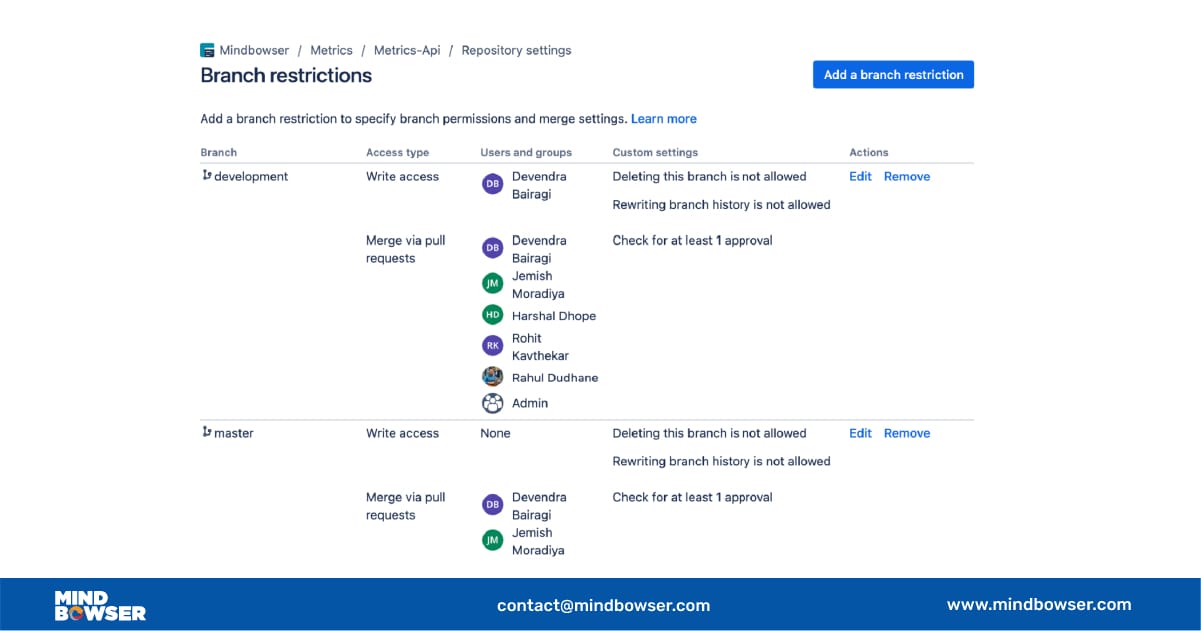
Execution is where plans become a reality. We focus on transparency, collaboration, and automation to ensure seamless delivery.
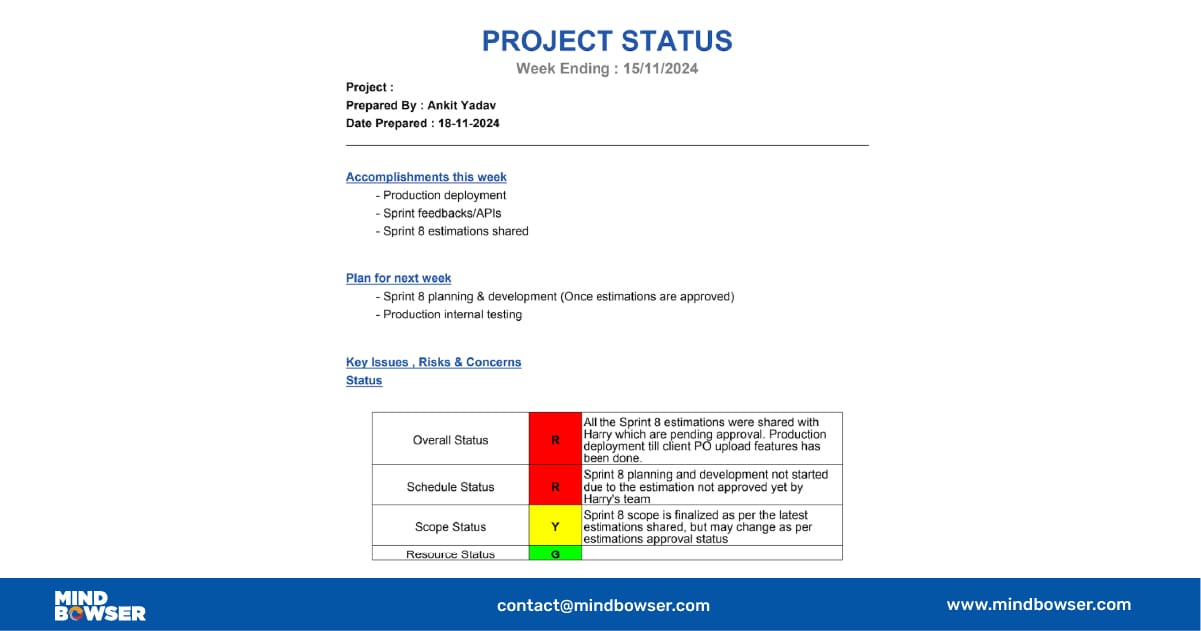
a) Progress Tracking and Status Visibility
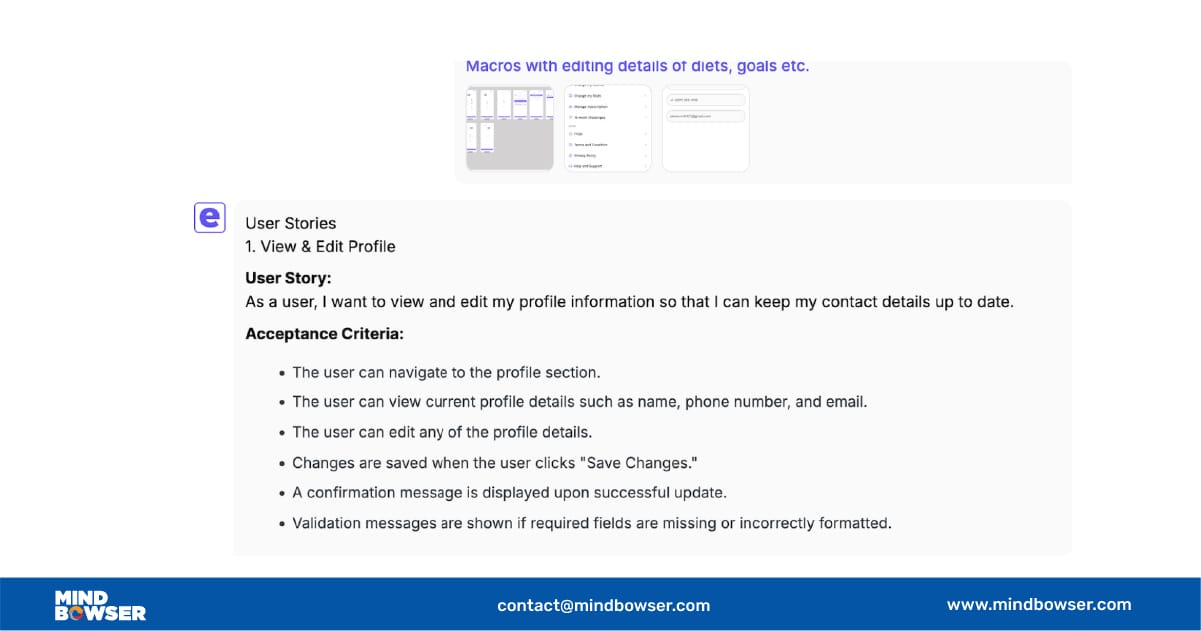
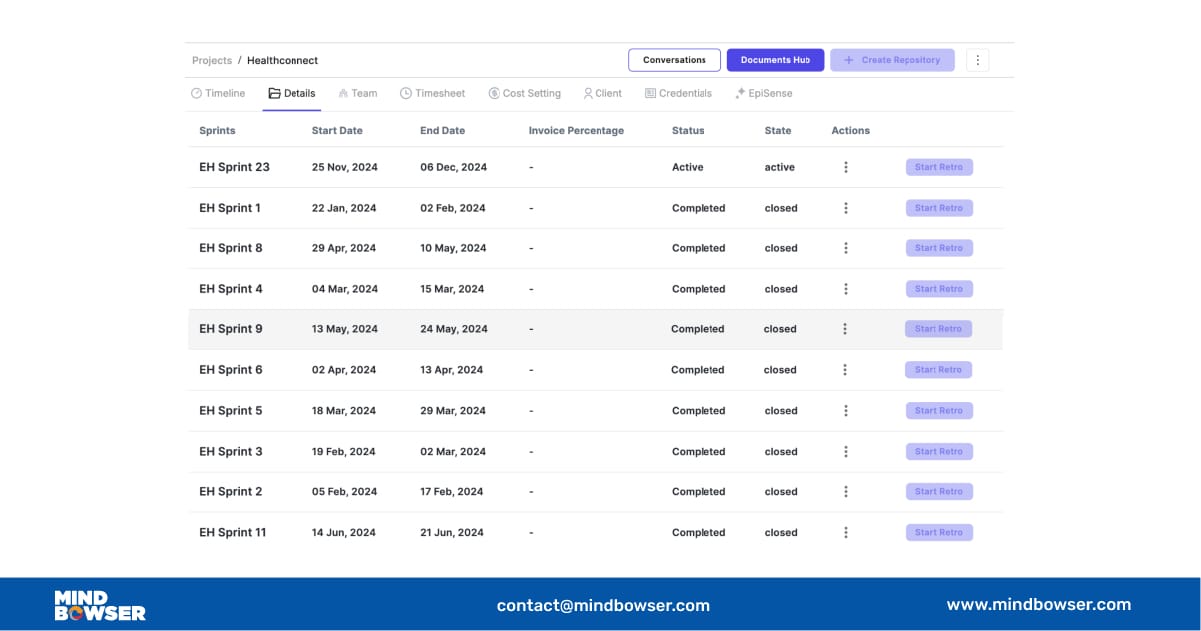
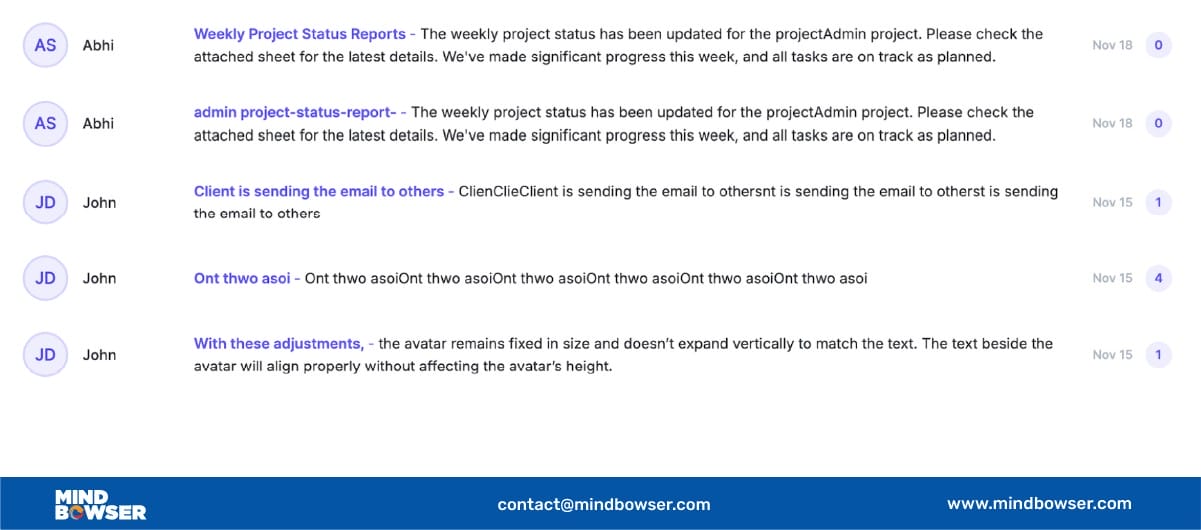
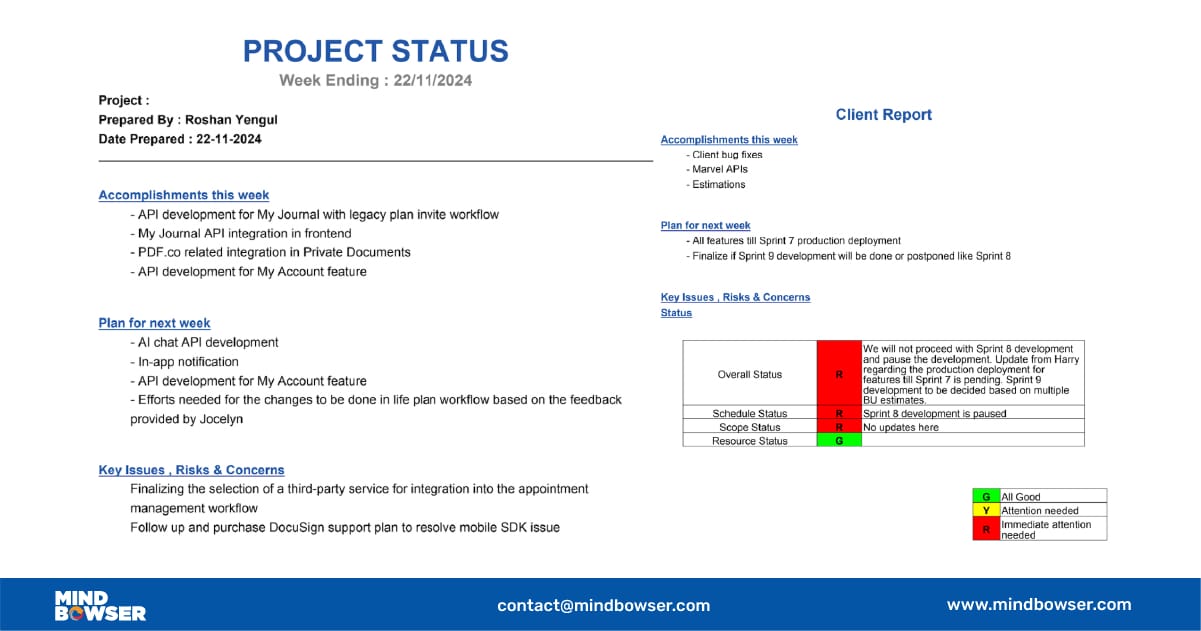
Weekly status updates, live dashboards, and demo sessions inform all stakeholders of project progress.
🔹How we implement it:
- Use real-time dashboards to track milestones, budgets, and timelines.
- Schedule weekly demos to showcase completed work and gather feedback.
- Maintain transparency with detailed status reports.
🔹Why it matters:
Progress tracking builds confidence and allows stakeholders to intervene proactively when necessary.
b) Managing Sprint Delays
Delays can derail projects if not addressed swiftly. We employ proactive strategies to minimize and manage delays effectively.
🔹What we do:
- Track dependencies and identify blockers early.
- Conduct sprint retrospectives to address delays and implement corrective actions.
- Maintain flexible resource allocation to adapt to unforeseen changes.
🔹Why it matters:
Managing delays ensures the project stays on track without compromising quality or scope.
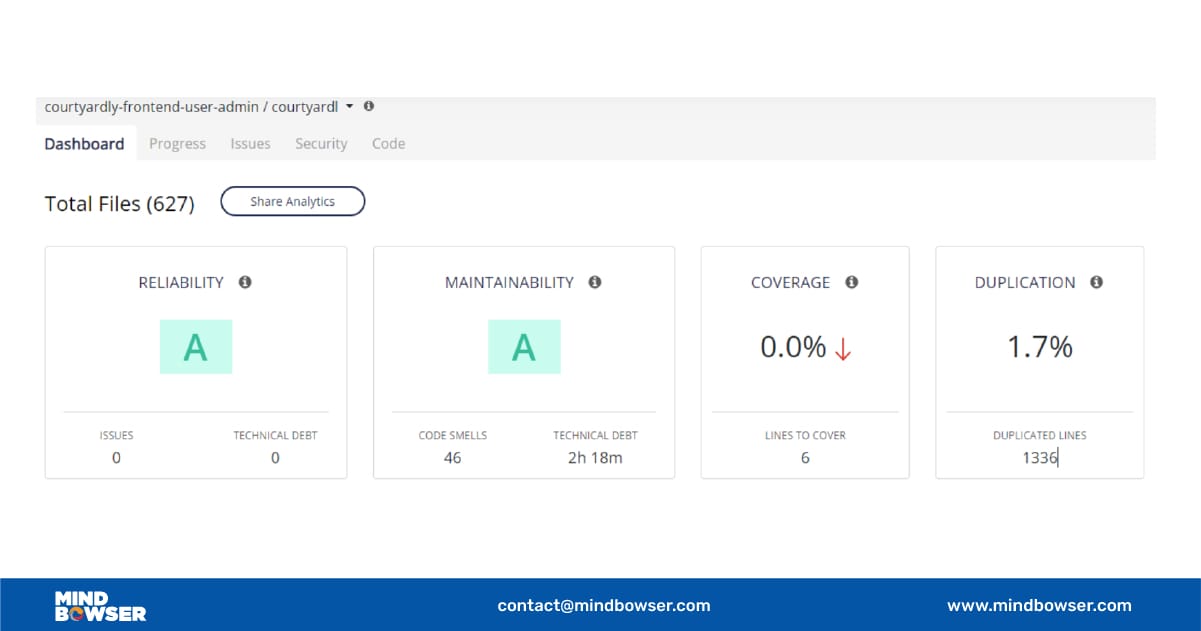
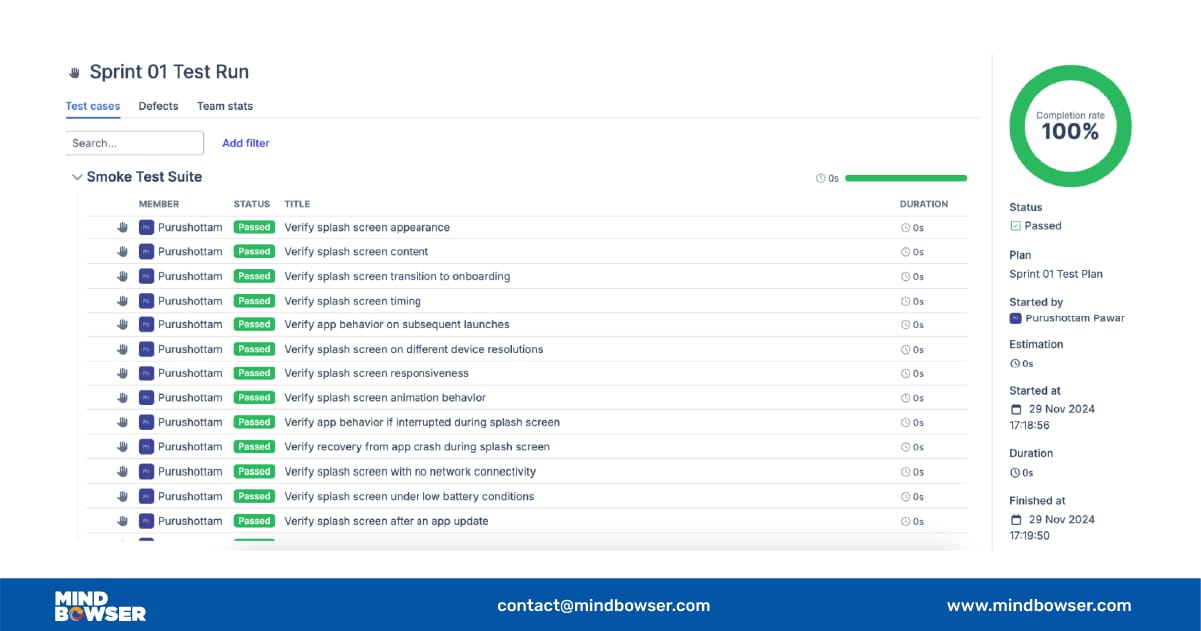
c) Quality Concerns
We address quality challenges through rigorous QA workflows integrated throughout the project lifecycle.
🔹What we do:
- Automated and manual testing to validate functionality at each stage.
- Continuous feedback loops with developers and stakeholders.
- Quality metrics tracking to ensure deliverables meet agreed standards.
🔹Why it matters:
High-quality outputs reduce post-launch issues and enhance client satisfaction.
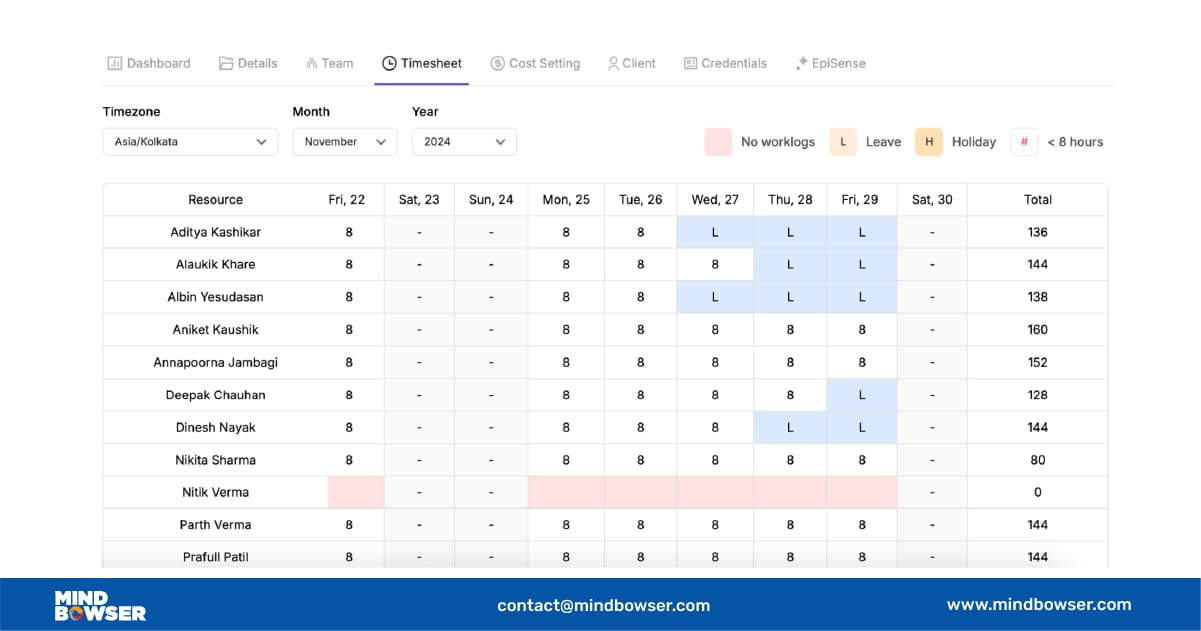
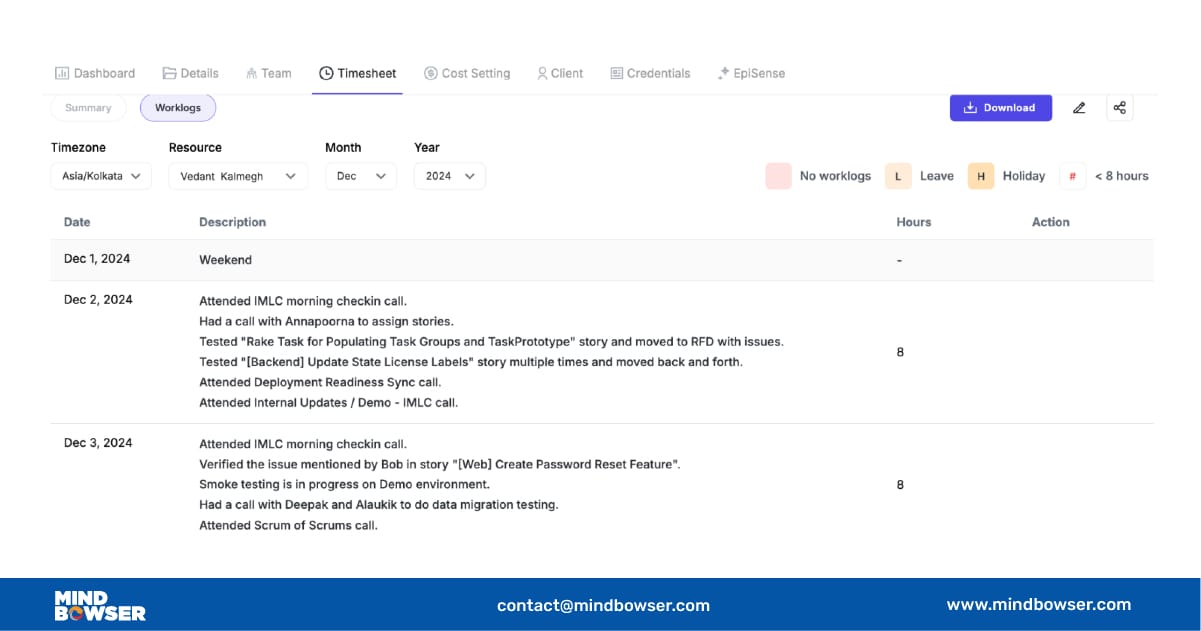
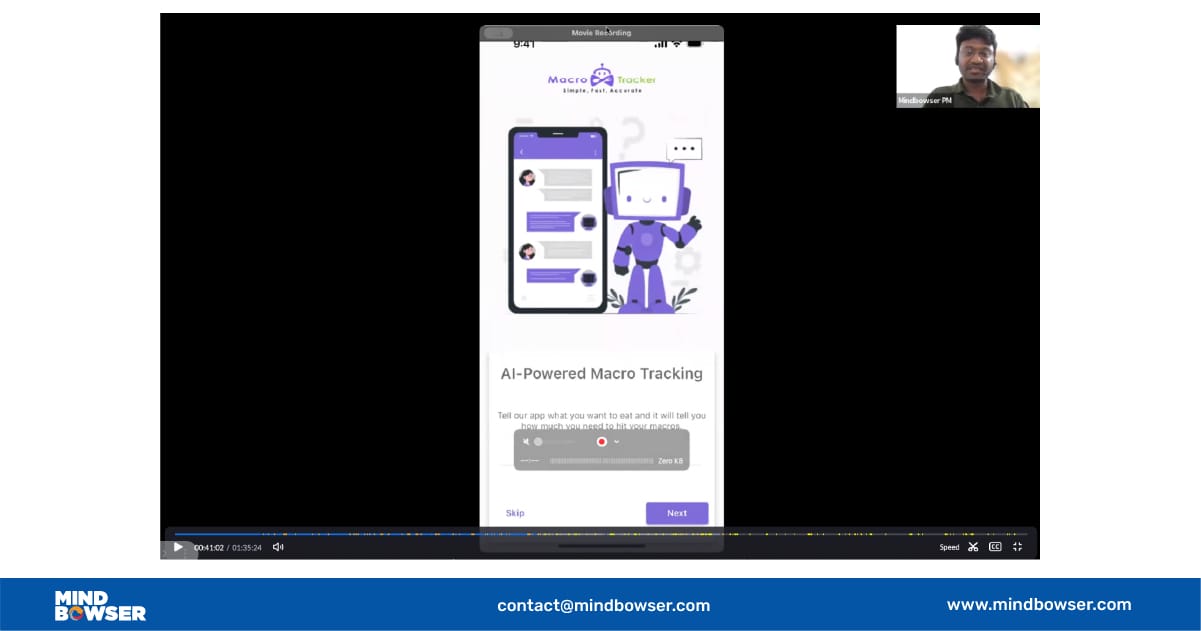
d) Value Addition
We focus on exceeding client expectations by creating additional value throughout the project.
🔹What we do:
- Create proof-of-concepts (POCs) for innovative ideas.
- Provide SMEs with domain-specific insights.
- Share market trends and recommendations for enhanced features.
🔹Why it matters:
Adding value positions us as partners in the client’s success, not just service providers.

e) Missed Collaborative Opportunities
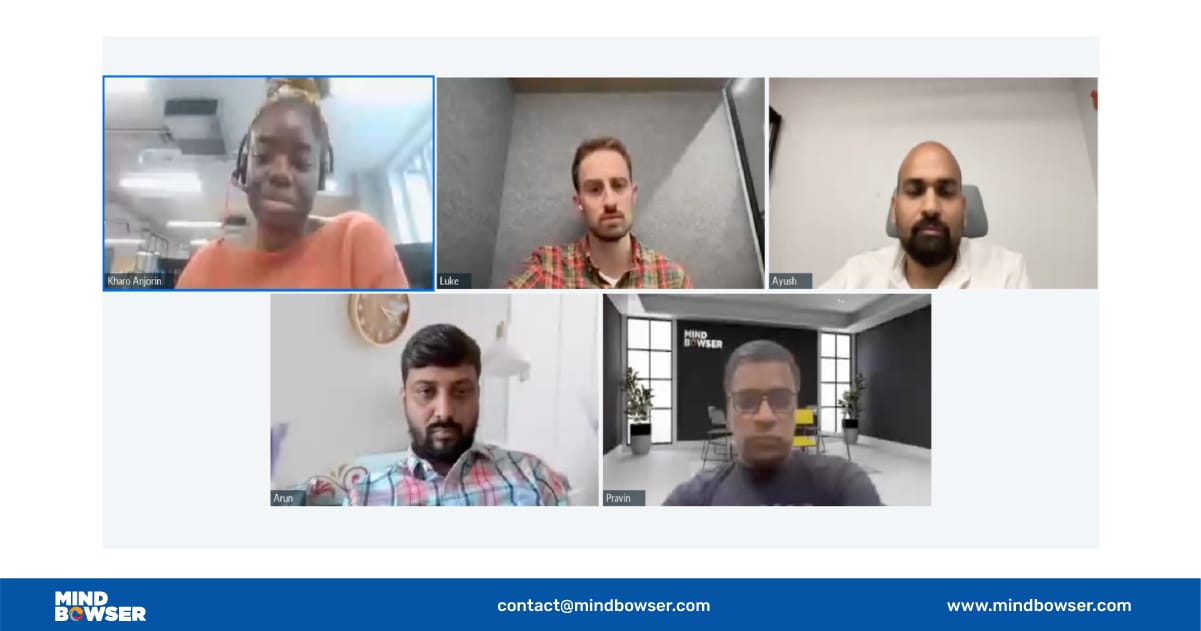
Collaboration is key to addressing challenges and maximizing efficiency.
🔹How we ensure collaboration:
- Daily stand-ups and weekly checkpoints to encourage communication.
- Use of collaborative tools like shared dashboards and real-time updates.
- Frequent touchpoints with SMEs and stakeholders for strategic alignment.
🔹Why it matters:
Strong collaboration ensures smoother workflows and quicker resolutions to challenges.
4. Closure: Beyond Delivery
Closure isn’t just the end of a project; it’s the beginning of its long-term success.
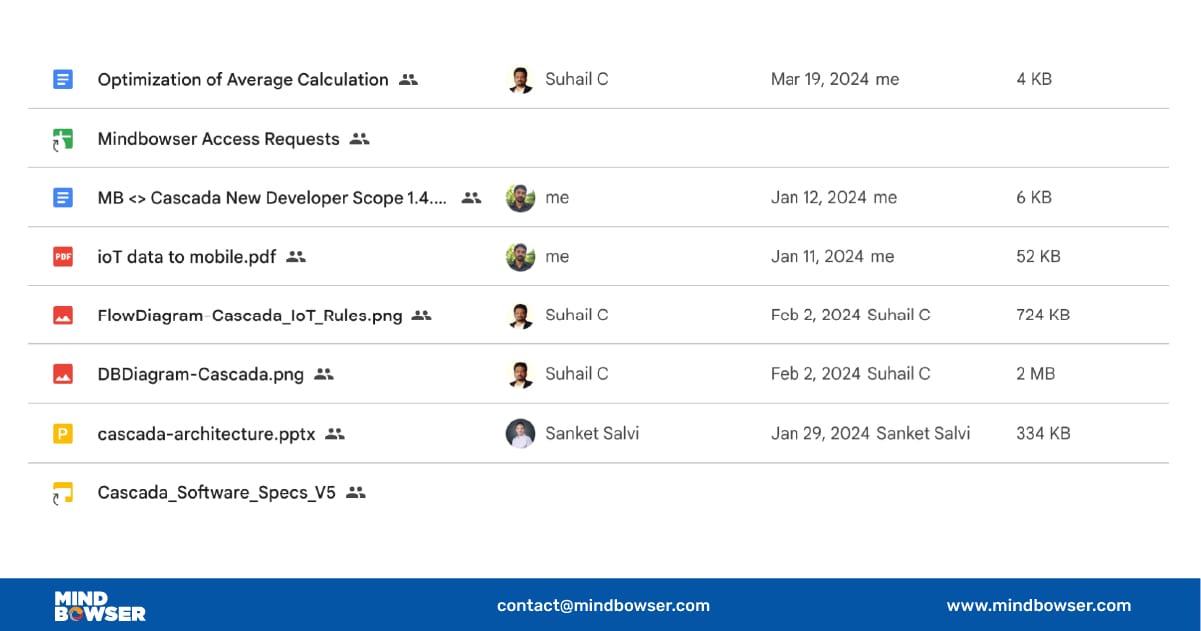
a) Comprehensive Documentation
Detailed documentation ensures that clients can independently manage the product post-handover.
🔹What it Includes:
- User guides and manuals.
- Technical documentation for developers.
- Recorded training sessions for client teams.
🔹Why it matters:
Well-documented projects minimize reliance on external support.
b) Post-Launch Optimization
We offer free support periods to stabilize the product and resolve initial issues.
🔹What we do:
- Monitor performance metrics and fix bugs.
- Optimize features for usability and efficiency.
- Provide detailed feedback on usage patterns.
🔹Why it matters:
Post-launch support ensures the product performs at its best from day one.
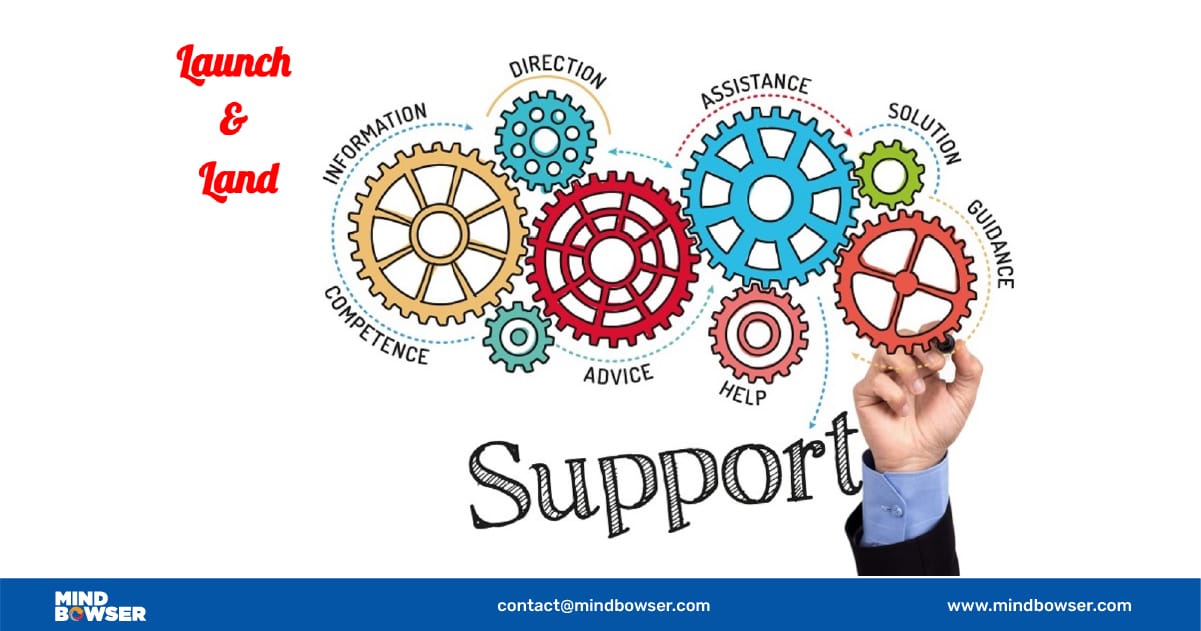
Fig: Support & Optimization Methods
c) Future Roadmap Planning
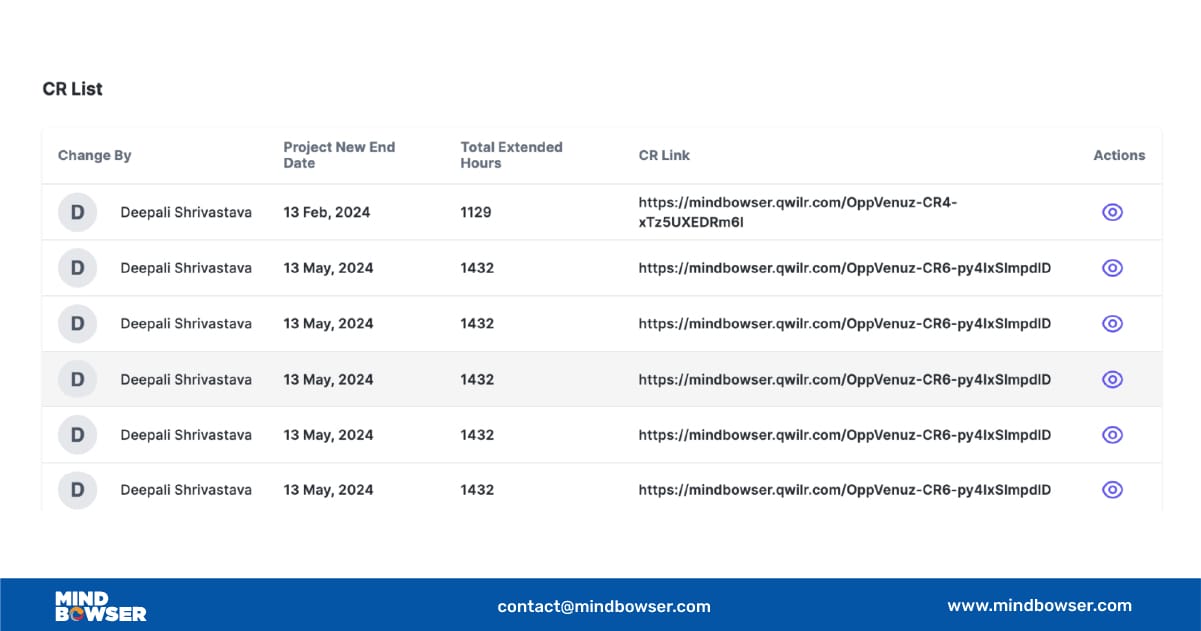
We prepare clients for the next phase of their journey with strategic roadmaps and CR backlogs.
🔹Key Components:
- Detailed roadmaps with timelines for future updates.
- Backlogs of change requests to prioritize enhancements.
- Strategies for scaling and growth.
🔹Why it matters:
Roadmaps keep the product relevant and aligned with evolving client needs.
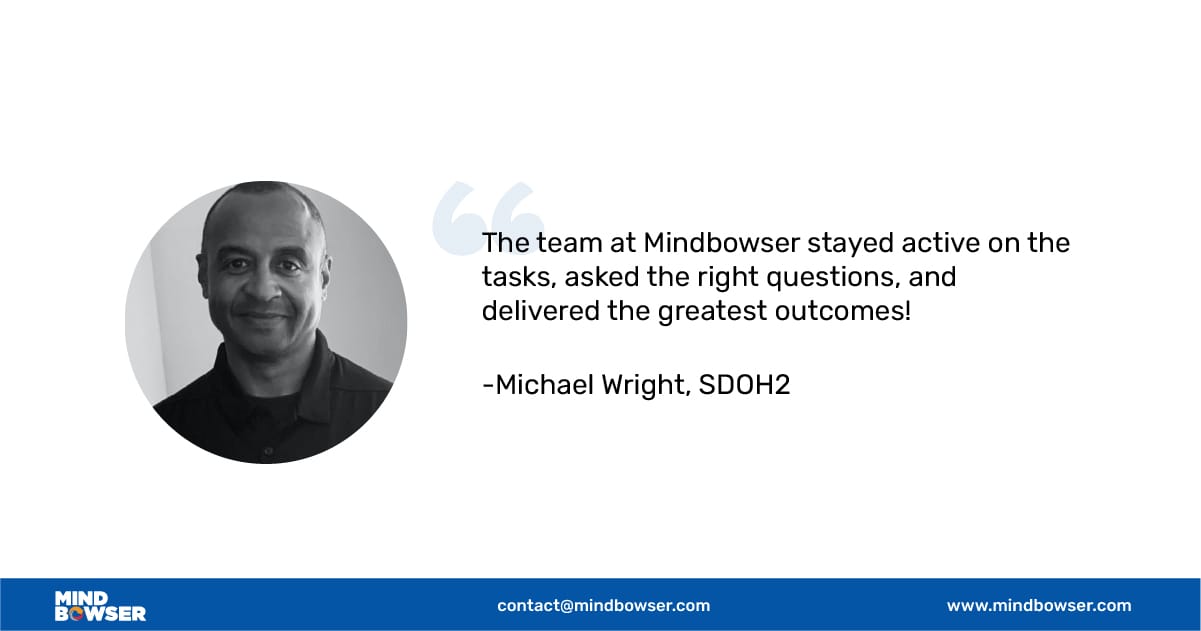
d) Publicizing Client Success Stories
Celebrating success is as important as achieving it. We help clients share their accomplishments with the world.
🔹What we do:
- Create case studies that showcase the project’s impact.
- Publicize client achievements through co-marketing initiatives.
- Highlight success metrics like ROI, user adoption rates, and business growth.
🔹Why it matters:
Publicizing success stories builds credibility and positions clients as leaders in their industries.
Conclusion
Achieving exceptional project outcomes requires more than technical expertise; it demands a methodical approach grounded in transparency, collaboration, and continuous value addition. Mindbowser’s framework—spanning Onboarding, Sprint Zero, Execution, and Closure—serves as a blueprint for success, ensuring every project not only meets but exceeds expectations. By focusing on clear communication, strategic planning, and long-term support, we empower our clients to turn their visions into reality and achieve sustained growth.