

 BLOGS
BLOGS  NEWSROOM
  CASE STUDIES
  WEBINARS
  PODCASTS
  ASSET HUB
  EVENT CALENDAR

























3. HIPAA and State-by-State Compliance Isn’t Optional
It’s not enough to use a basic video tool. Platforms must support encrypted communication, audit trails, and role-based access and meet evolving federal and state-level regulations. This is especially critical for providers operating across state lines or engaging in remote prescribing.
4. EHR and Device Integration Drives Better Care
Telemedicine software that integrates with systems like Epic, Cerner, and Athenahealth enables clinicians to document in real-time, reduces duplicate entry, and simplifies billing. Adding wearable device data from sources like Apple Health, Dexcom, or Fitbit unlocks a more comprehensive view of the patient.
5. Fragmented Tools Hurt Patient Experience
Patients are less likely to show up—or come back—if they need multiple logins, downloads, or complicated steps. The best telemedicine software provides mobile-friendly access, streamlined appointment scheduling, and built-in tools such as reminders, secure messaging, and digital forms.
Related Read: What Is a Virtual Hospital and How Does It Work?
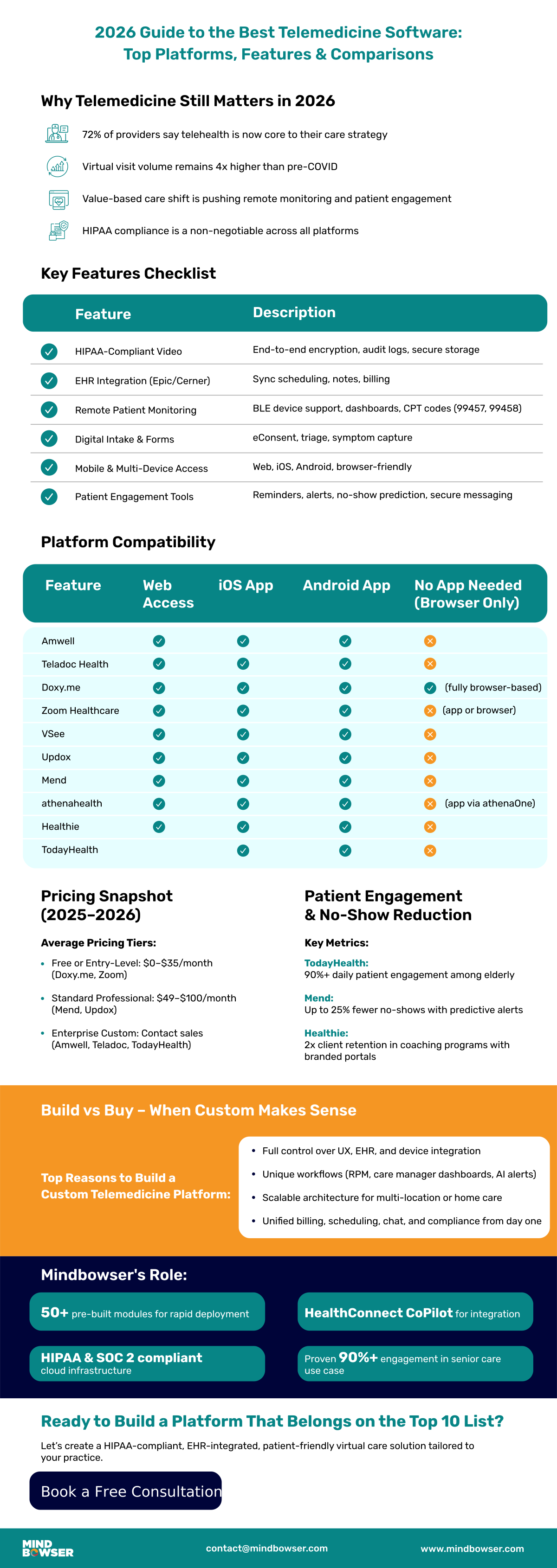
Key Features to Look for in Telemedicine Software
When evaluating the best telemedicine software, most providers know to ask about video quality and compliance. But surface-level functionality isn’t enough. What sets top platforms apart is their ability to support the entire clinical and administrative journey—before, during, and after the visit.
“We still need to deal with important issues like privacy, security, and usability of all this new technology.”
Pat Combes, Senior Principal of Technology, AWS STT
Source: ITIF Podcast
Below are the core features that are most relevant in real-world clinical settings.
1. HIPAA-Compliant Video Conferencing
It’s not enough to just offer video calls. The software must support HIPAA requirements under the Security Rule, including:
- End-to-end encryption (AES 256-bit or equivalent)
- Business Associate Agreement (BAA) offered by the vendor
- Role-based user permissions and access logs
- Secure storage of visit recordings (if applicable)
Look for platforms that are also SOC 2 certified and undergo routine audits. This is particularly important if you plan to handle PHI across state lines or partner with ACOs and payers.
Related Read: The Role of HIPAA Business Associate Agreements in Ensuring Compliance
2. EHR Integration (Epic, Cerner, Athenahealth)
Seamless integration with your EHR allows for:
- Launching a telehealth visit directly from the patient chart
- Auto-syncing of notes, diagnosis codes, and billing details
- Unified scheduling and appointment tracking
Without integration, staff often have to enter information twice—once in the telehealth platform and again in the EHR—which increases documentation errors and slows down billing. Platforms that use SMART on FHIR protocols or offer HL7 interfaces are ideal.
Build a Scalable, Secure Telemedicine System
3. Scheduling and Patient Triage Tools
High no-show rates and last-minute cancellations remain common in virtual hospitals. Robust scheduling tools can reduce administrative load and improve throughput. Key capabilities to look for:
- 24/7 patient self-scheduling from mobile or desktop
- Pre-visit digital check-ins and consent forms
- Intake assessments to route patients appropriately
Some platforms use AI-based triage to ask questions upfront and direct patients to the appropriate visit type (e.g., provider vs. nurse, video vs. message).
AutoConfirm AI is our ready workflow for automating medical appointment confirmations—using voice AI to reduce no-shows and free up staff time with smart, timely calls.
👉 See how it fits into your workflow—Book a demo.
4. Billing and Reimbursement Support
Reimbursement for virtual care varies by state, payer, and type of service. The best telemedicine software supports:
- Integrated medical billing workflows
- Support for telehealth-specific CPT codes (e.g., 99212-99215 with modifier 95)
- Real-time eligibility verification
- Payment capture (credit card on file, HSAs, copay collection before the visit)
Some platforms also offer tools for prompt claims submission and tracking denials—saving time for your billing team and improving cash flow.
5. Remote Patient Monitoring (RPM) Capabilities
For chronic care programs or elderly patients, remote patient monitoring support is no longer optional. Look for platforms that:
- Connect with FDA-approved Bluetooth and cellular devices
- Stream vitals like BP, SpO2, heart rate, glucose, and weight
- Offer dashboards for clinicians and alerts for out-of-range values
- Support billing codes like 99453, 99454, 99457, and 99458
RPM combined with virtual visits helps meet time-based billing thresholds and improves chronic care management outcomes.
Related Read: Remote Patient Monitoring Billing Guidelines For Healthcare Providers – CPT Codes, Reimbursement & Compliance
6. Multi-Device Compatibility and Accessibility
Patients may connect from smartphones, tablets, laptops, or even just dial in by phone. Providers may work from a clinic, their home, or on call. Your platform should support:
- Browser-based visits (Chrome, Safari, Edge) with no app required
- Android and iOS apps for mobile convenience
- Audio-only visit options (in compliance with payer requirements)
- ADA-compliant accessibility features for patients with disabilities
Support for variable bandwidth is also critical in rural or low-connectivity settings.
7. Use Case Flexibility Across Care Settings
One-size-fits-all telemedicine doesn’t work. The best platforms offer configuration options tailored to various clinical workflows.
Primary & Urgent Care
- Rapid scheduling and triage for common complaints
- Symptom checkers and smart intake to reduce unnecessary visits
- After-hours or weekend coverage
Specialty Consults & Hospital Services
- Pre-op and post-op follow-ups
- Chronic condition management (e.g., diabetes, heart failure)
- Tele-ICU or inpatient consults for resource-limited hospitals
Mental and Behavioral Health
- Teletherapy and psychiatry sessions
- Secure messaging for CBT, DBT, or addiction support
- Group sessions with breakout room capabilities
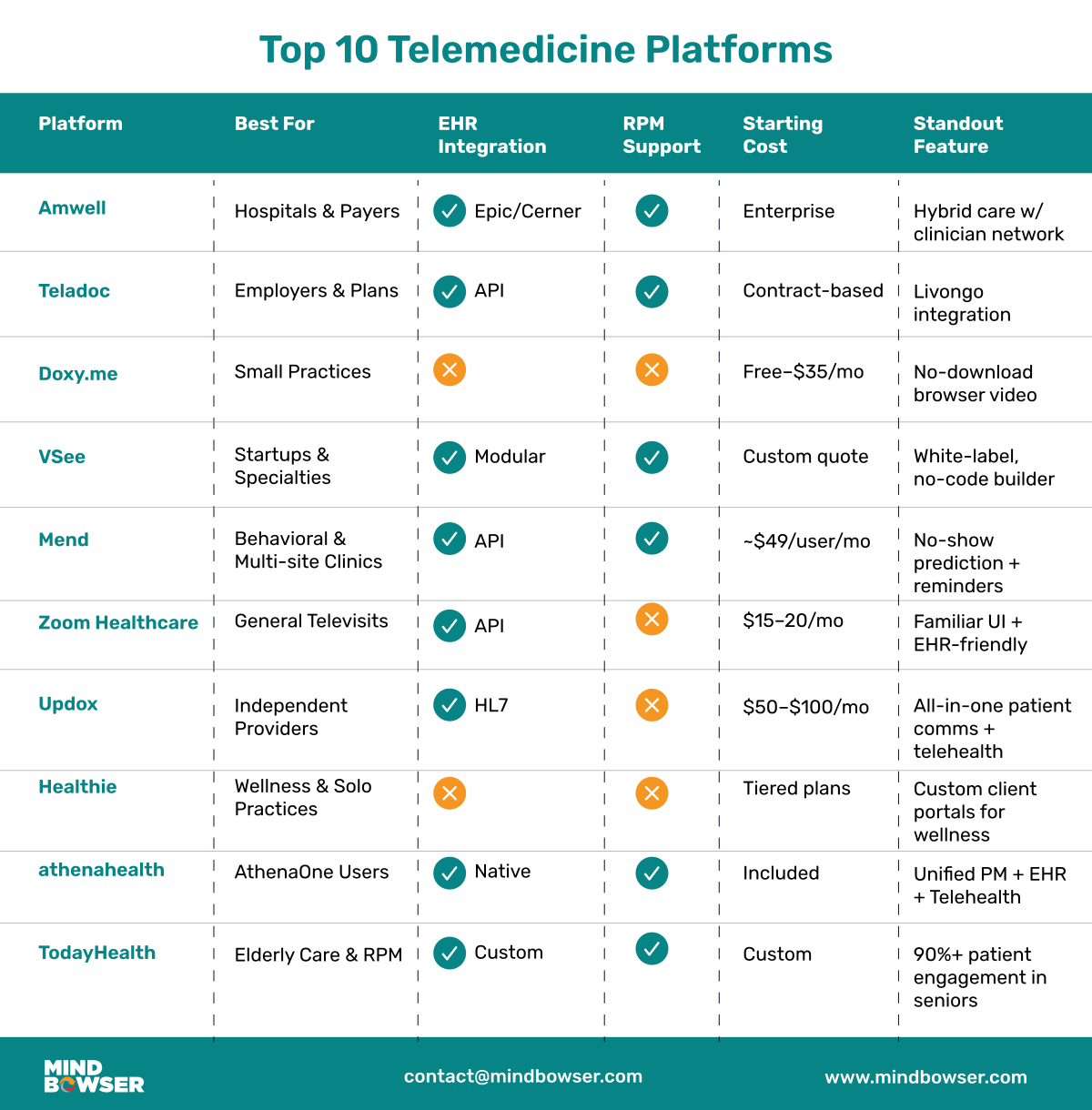
Top 10 Best Telemedicine Software Platforms for Virtual Healthcare in 2026
With dozens of vendors claiming to offer the best telemedicine software, it’s critical to understand how each platform supports real-world care delivery. This list goes beyond surface-level features and dives into usability, compliance, scalability, and value across patient and provider workflows.
1. Amwell (Converge)
Best for: Hospitals, Health Systems, Payers
- Notable Features: Enterprise-grade hybrid care platform that supports urgent, scheduled, behavioral, and chronic care visits. Deep EHR integrations (Epic, Cerner), optional access to Amwell’s national clinician network, and white-labeled branding. High scalability across specialties.
- Supported Platforms: Web, iOS, Android
- Pricing: Custom enterprise licensing
Funding & Financials:
- Raised over $742M to date
- Partnered with Google Cloud on a $100M investment in 2023 to enhance its Converge platform
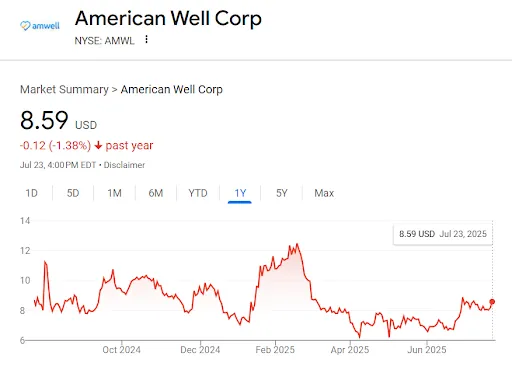
- Current Share Price: ~$8.59 (NYSE: AMWL as of July 2025)
- Market Cap: ~$80M
- Stock performance reflects ongoing shifts in the digital health market and Amwell’s long-term enterprise play
2. Teladoc Health
Best for: Health Systems, Employers, Payers
- Notable Features: Largest virtual care network in the U.S. Offers on-demand care, mental health, chronic care management (via Livongo), and condition-specific coaching. Integrates with third-party systems via API and includes virtual-first primary care.
- Supported Platforms: Web, iOS, Android
- Pricing: Enterprise contracts or per-visit billing through payer plans
Funding & Financials:
- Acquired Livongo in 2020 for $18.5B, creating a market-leading virtual care ecosystem
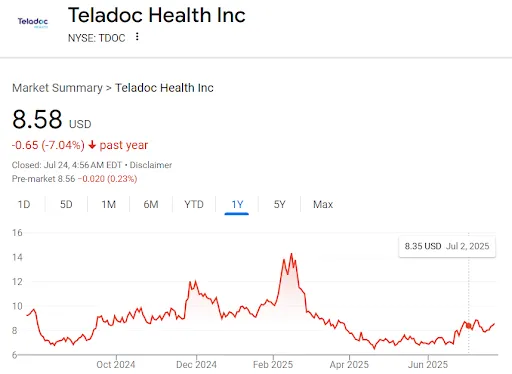
- Current Share Price: ~$8.58 (NYSE: TDOC as of July 2025)
- Market Cap: ~$2B
- Stock has declined from pandemic highs due to market corrections and integration challenges but remains a leading enterprise solution in virtual care
3. Doxy.me
Best for: Small Practices, Individual Providers
- Notable Features: Browser-based telehealth with no downloads. Offers a virtual waiting room, file transfer, notifications, and group sessions. HIPAA, GDPR, and PHIPA compliant.
- Supported Platforms: Web (browser), iOS/Android via browser
- Pricing:
- Free basic (low-res video)
- Pro: ~$35/month
- Clinic and Enterprise: Custom
- Free basic (low-res video)
- What Stands Out: Extremely accessible for solo and startup practices; no software installation required.
Funding & Financials:
- Company Type: Privately held
- Bootstrapped growth model with over 1 million healthcare providers globally
- Maintains strong market share in small practice telehealth without outside VC funding
- Revenue model focuses on subscription tiers and enterprise licensing for academic and medical institutions
- Doxy.me’s lean approach has helped it remain sustainable and widely adopted post-COVID (Source)
4. Zoom for Healthcare
Best for: Clinics, Hospitals (general telehealth use)
- Notable Features: Ubiquitous video solution with HIPAA-compliant features and BAAs. Supports HD video, screen sharing, and breakout rooms. Works well for virtual meetings, group therapy, and medical education.
- Supported Platforms: Windows, Mac, iOS, Android (browser and app)
- Pricing: ~$15–20/month per host for HIPAA plans (larger orgs require enterprise agreements)
- Use Case Fit: Ideal for organizations that already use Zoom internally and want to expand it into virtual care.
Source: Zoom Healthcare
Funding & Financials:
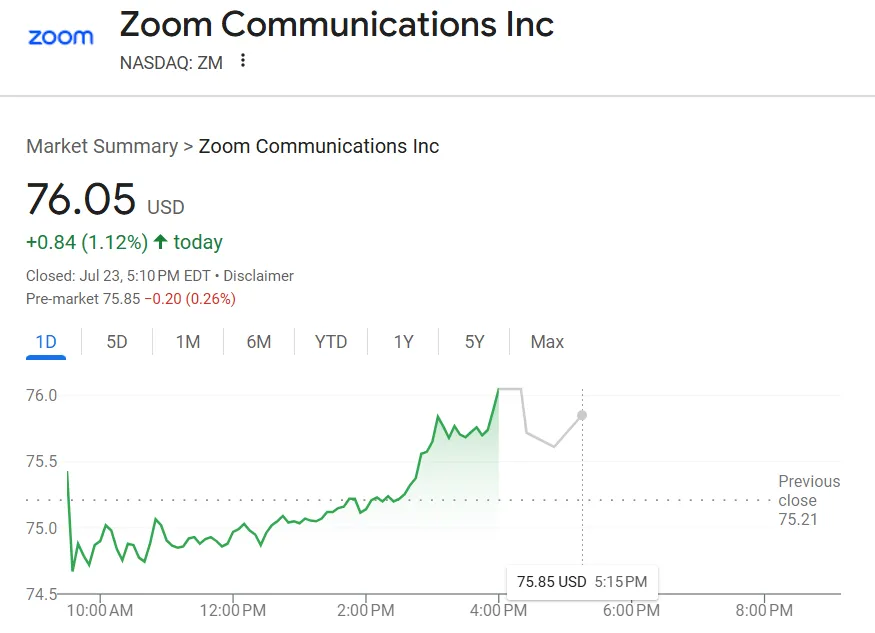
- Parent Company: Zoom Video Communications, Inc.
- Current Share Price: ~$59.00 (NASDAQ: ZM as of July 2025)
- Market Cap: ~$18.5B
- Zoom remains a dominant force in video-first communication, with a growing share in healthcare thanks to its low learning curve and enterprise IT support
5. VSee
Best for: Telehealth Startups, Specialty Clinics (custom platform needs)
- Notable Features: No-code telehealth builder with support for scheduling, payment, patient portals, charting, and RPM. Device integrations for vitals, audit logs, and SDK/API access. HIPAA, GDPR, and ISO 27001 compliant.
- Supported Platforms: Web, iOS, Android
- Pricing: Free basic version; paid tiers based on features/modules
- Real-World Use: Powers NASA’s telehealth programs and NGO field deployments. Source: VSee Reviews
Funding & Financials:
- Company Type: Privately held
- Funding: Privately funded with government, NGO, and enterprise partnerships
- Notable Clients: NASA, U.S. Department of Defense, World Bank, International Medical Corps
- Revenue model focused on B2B SaaS, humanitarian deployments, and custom development partnerships
- VSee’s reputation for reliability in extreme conditions (space, war zones, rural clinics) makes it a standout for mission-critical telemedicine
6. Updox
Best for: Independent Practices, Pharmacies
- Notable Features: Combines telehealth, two-way texting, secure video, broadcast messaging, fax, and forms. Encrypted with 256-bit AES and two-factor authentication. Works alongside common EHRs.
- Supported Platforms: Web, iOS, Android
- Pricing: ~$50–$100/month per provider (depending on bundle)
- Acquisition: Acquired by EverCommerce in 2020 to expand patient engagement solutions. Source: EverCommerce
Funding & Financials:
- Company Type: Privately held; Acquired by EverCommerce in December 2020
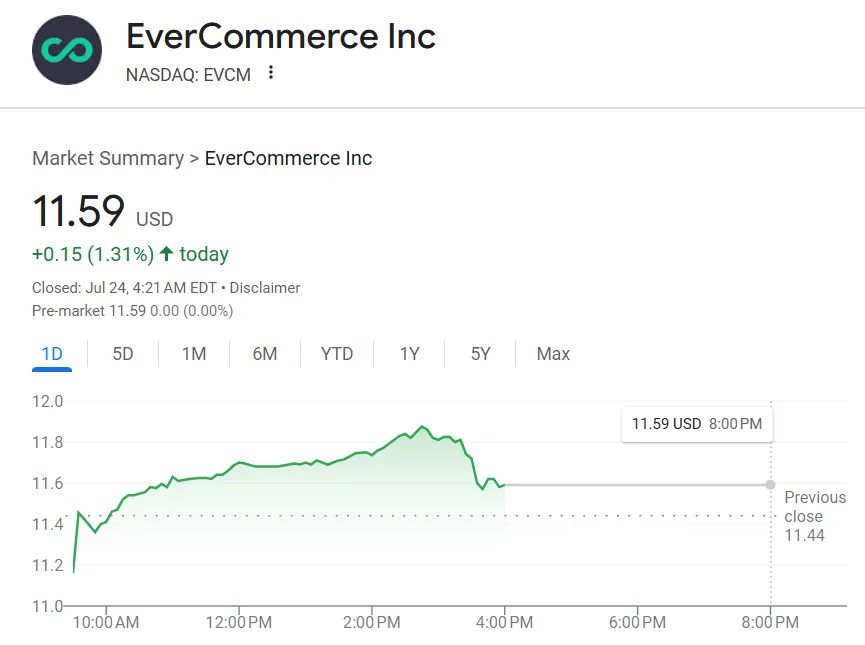
- Parent Company: EverCommerce (NASDAQ: EVCM)
- Updox operates under EverCommerce’s healthcare division, giving it access to broader health tech integrations and enterprise support
- Parent Company Share Price: ~$11.59 (as of July 2025)
- Known for its ease of implementation and strong ROI for independent practices needing an all-in-one solution
7. Mend
Best for: Large Clinics, Behavioral Health, and Efficiency-Focused Groups
- Notable Features: Designed to automate telehealth workflows and reduce no-shows. Includes AI-based no-show prediction, automated reminders, eForms, surveys, and patient messaging. Supports custom branding.
- Supported Platforms: Web, iOS, Android
- Pricing: ~$49/month per user (according to SoftwareFinder); enterprise tiers available
- Proven Impact: Claims 25%+ reduction in no-shows using automation and predictive analytics
Funding & Financials:
- Company Type: Privately held
- Funding: Mend has not publicly disclosed venture capital rounds; believed to be self-sustaining through B2B sales
- Customer Base: Used by multi-site behavioral health organizations, FQHCs, and large specialty practices
- Mend’s strong focus on automation, EHR compatibility, and reducing administrative friction makes it a fit for growing clinics with complex scheduling needs
8. athenahealth Telehealth (athenaOne)
Best for: Ambulatory Practices on athenahealth
- Notable Features: Built directly into athenaOne, combining scheduling, billing, EHR, and video visits in a single interface. Designed for seamless provider workflows.
- Supported Platforms: Web, iOS, Android (via athenaOne app)
- Pricing: Included for subscribers; contact sales for pricing
- Value: Reduces app fatigue and vendor overload by consolidating systems into one dashboard
Funding & Financials:
- Company Type: Privately held
- Ownership: Acquired by Bain Capital and Hellman & Friedman in a $17B deal (2022) (Source)
- Status: Operates as an independent healthtech platform with 140,000+ providers on its network
- athenahealth’s telehealth module is favored for its deep integration, reliability, and “one-login” experience across all touchpoints
9. Healthie
Best for: Solo Providers, Wellness Clinics, Nutritionists
- Notable Features: All-in-one platform with charting, scheduling, HIPAA video, and payment tools. Offers branded client portals, mobile access, and support for wellness plans and group sessions.
- Supported Platforms: Web, iOS, Android
- Pricing: Tiered plans with API access in higher tiers
- Funding: Raised $16M in 2023 to improve developer APIs and expand telehealth support. Source: healthcareittoday
10. TodayHealth
Best for: Elderly Care, Home Health, Chronic Care Monitoring
- Notable Features: Custom-built telehealth + RPM suite optimized for older adults. Features include BLE device pairing, daily vitals tracking, care manager dashboard, video visits, and alerts. High engagement with intuitive design.
- Supported Platforms: iOS, Android, Web
- Pricing: Custom-built platform model
- Real-World Impact:
- Achieved a 90%+ patient engagement rate among elderly users
- Used by providers delivering home-based care, senior living services, and post-discharge monitoring
- Helps reduce avoidable ER visits and hospital readmissions through timely care coordination
Funding & Financials:
- Company Type: Privately held
- Funding: Raised $16 million in a Series A round in March 2023 (source)
- Investors: Velvet Sea Ventures, Builders VC, and others
- Healthie is gaining traction among digital health startups and private practices looking to offer virtual-first care experiences under their brand
Recent Growth:
- Powers hundreds of virtual wellness and coaching platforms
- Offers developer tools to build on top of the core Healthie infrastructure
- Known for fast onboarding, strong patient retention tools, and user-friendly UI
See Virtual Care in Action
Want to learn how we helped a remote care platform achieve 90% engagement?
How Mindbowser Can Help?
At Mindbowser, we work closely with healthcare providers, startups, and health tech companies to build custom telemedicine platforms that not only meet compliance and care delivery goals but also foster meaningful patient engagement. Whether you’re building from scratch or evolving your current solution, here’s how we can support your virtual care journey:
1. Compliance from Day One
- HIPAA, SOC 2, and GDPR-ready platforms
- Role-based access, encrypted communication, audit logs
- Secure cloud hosting on AWS or GCP with BAA
- Support for CFR Part 11 and ONC Cures Act guidelines where needed
2. Seamless Integration Capabilities
- Native EHR integrations, including Epic EHR, Cerner EHR, and Athenahealth EHR
- HL7, FHIR, and SMART on FHIR compatibility
- Built-in support for Apple Health, Fitbit, Dexcom, and 100+ wearables
- HealthConnect CoPilot—our pre-built integration workflow accelerator
3. Custom Telemedicine & RPM Features
- HD video and audio for 1:1 and group visits
- BLE device pairing and vitals tracking (BP, SpO2, HR, glucose)
- Provider and care manager portals with real-time dashboards
- In-app messaging, secure file sharing, visit notes, and e-prescribing
- Alerts for missed readings, symptom escalation, and triage queues
4. User-Centric Design & Accessibility
- Intuitive design tested with elderly and low-tech users
- Mobile-first approach with responsive web and native apps
- Voice-activated actions, large touchpoints, and reminders for routine tasks
- Proven track record of driving 90%+ patient engagement
5. Accelerated Development with Pre-Built Modules
- Video consult, scheduling, digital forms, billing, and payment all included
- MVPs launched in as little as 10–12 weeks
- Built-in audit logging, user permissions, offline sync, and more
- Scale your platform with no-code admin panels, analytics, and clinician workflows
Ready to Build a Telemedicine Platform That Tops the Charts?
Conclusion
Choosing the best telemedicine software isn’t about chasing the latest features—it’s about finding a platform that fits your workflows, integrates with your existing systems, and engages your patients. Whether you’re a solo practitioner, a mid-sized clinic, or a health system scaling virtual services, the right platform will support better outcomes, fewer no-shows, and a more efficient care team.
From enterprise-grade solutions like Amwell and Teladoc to configurable platforms like VSee and Mend, the market is full of choices. But when off-the-shelf solutions fall short—especially on integration, compliance, or UX—building a custom platform can be the smarter move.
That’s where Mindbowser comes in. We help providers create HIPAA-compliant, EHR-integrated, and patient-friendly telehealth platforms that deliver.
Ready to take the next step? Let’s talk about building your virtual hospital roadmap. Book a call.
While telehealth typically covers episodic care, such as one-time video visits, a virtual hospital delivers continuous, coordinated clinical care. It involves 24/7 remote monitoring, integration with EHR systems, and oversight by licensed teams, often replacing or supplementing inpatient care for appropriate patients.
Yes, with the right infrastructure. Many virtual hospitals manage patients with acute conditions like pneumonia or heart failure who would otherwise be admitted. Through real-time vitals, structured protocols, and escalation pathways, these programs provide safe alternatives to inpatient stays.
Remote patient monitoring (RPM) devices track vital signs in real-time and send alerts for abnormal trends. Clinical teams work from a central command center to monitor dashboards and respond immediately. If needed, patients can be escalated to in-person care or emergency services.
Virtual hospitals are typically staffed with a mix of physicians, nurses, care coordinators, and specialists. One clinician can oversee multiple patients simultaneously through a centralized dashboard, making it more efficient than traditional inpatient ratios.