BLOGS
BLOGS  NEWSROOM
  CASE STUDIES
  WEBINARS
  PODCASTS
  ASSET HUB
  EVENT CALENDAR
























Telehealth refers to digital communication tools providing healthcare services remotely. This can include video consultations, remote monitoring, and digital health records, allowing patients to receive care from their homes instead of traveling to a medical facility.
In-home health care, telehealth offers significant advantages by facilitating continuous patient monitoring and real-time consultations without in-person visits. It can be particularly beneficial for managing chronic conditions, reducing hospital readmissions, and providing timely medical advice.
A survey revealed that 42% of respondents were satisfied with telehealth services, while 36% were somewhat satisfied, indicating the widespread acceptance and effectiveness of telehealth in home healthcare.
The adoption of telehealth solutions has been steadily increasing, driven by technological advancements and growing patient demand for convenient care options. Many healthcare providers are integrating telehealth into their services to meet the needs of patients who prefer the flexibility of remote consultations.
This trend is supported by evidence showing that telehealth can improve patient outcomes by making healthcare more accessible and efficient. As technology continues to evolve, the role of telehealth in home health care is expected to expand, further improving patient experiences and care delivery.
Telehealth: How Digital Consultations are Revolutionizing Home Health Care
Telehealth is significantly impacting home health care by providing new ways to connect patients and healthcare providers. Digital consultations are central to today’s telehealth options for home health care. Agencies now provide scheduled nurse check-ins, therapy follow-ups, and caregiver support through video. The benefits of telehealth in home health include:
1. Improved Accessibility to Care
Telehealth offers patients in remote or underserved areas easier access to medical consultations without traveling. This technology connects patients with healthcare providers from their homes, reducing the barriers related to distance and transportation. As a result, individuals who had limited access to healthcare services can now receive timely medical advice and care.
2. Efficient Management of Chronic Conditions
Patients with chronic conditions can benefit from regular virtual check-ups, allowing for better monitoring and management of their health. Telehealth platforms enable healthcare providers to track vital signs and symptoms remotely, adjusting treatment plans as needed. This ongoing oversight helps maintain health stability and prevent complications, which can lead to fewer emergency visits and hospitalizations.
3. Streamlined Communication Between Patients and Providers
Digital consultations facilitate direct and efficient communication between patients and their healthcare providers. Through video calls and messaging, patients can quickly share updates about their health, ask questions, and receive guidance without waiting for in-person appointments. This rapid communication helps address issues promptly and informs about their treatment plans.
4. Reduced Healthcare Costs
Telehealth can lower healthcare costs by minimizing the need for physical office visits and reducing travel expenses for patients and providers. Virtual consultations often require fewer resources as compared to traditional in-person visits, which can lead to cost savings for healthcare systems and make medical care more affordable for patients.
5. Increased Convenience and Flexibility
Digital consultations offer greater convenience and flexibility for patients, allowing them to schedule appointments around their daily routines without traveling. This flexibility can lead to higher patient satisfaction and better adherence to treatment plans. With the ability to conduct consultations from home, patients can manage their health more easily and maintain a more balanced lifestyle.
Telehealth is reshaping how home health care is delivered, providing valuable benefits that contribute to more accessible, efficient, and patient-centered care.
Ready to Enhance Your Home Health Care Services with Telehealth?
Types of Telehealth Solutions
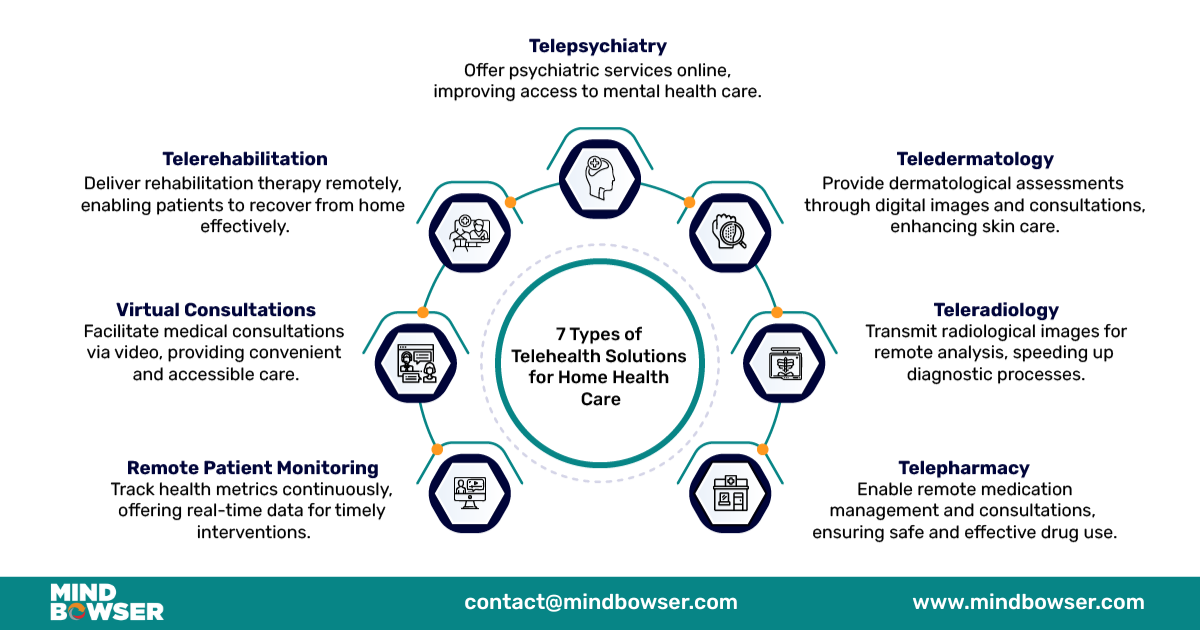
Telehealth is broadening the scope of care by introducing various solutions that cater to different healthcare needs. Below are seven types of telehealth solutions that are making a significant impact in home health care.
1. Remote Patient Monitoring
Remote Patient Monitoring is the backbone of home telehealth. Today, providers can compare telehealth options for home health monitoring — ranging from Bluetooth-enabled blood pressure cuffs to connected diabetes kits and full hospital-at-home device bundles. Choosing the right option depends on the patient’s risk profile, integration with EHRs, and caregiver readiness. This continuous monitoring is particularly beneficial for managing chronic conditions, ensuring that any changes in health status are quickly addressed.
2. Virtual Consultations
Virtual consultations bring the doctor’s office to the patient’s home. Using video conferencing technology, patients can consult with healthcare providers in real-time, discussing symptoms, treatment options, and follow-up care. This option is ideal for those who require regular check-ups but find it challenging to visit a clinic due to mobility issues or geographical barriers. Virtual consultations make it easier for patients to stay connected with their healthcare providers.
3. Telerehabilitation
Telerehabilitation involves delivering physical therapy and rehabilitation services through digital platforms. Patients recovering from surgery or managing physical disabilities can participate in guided exercises and therapy sessions from the comfort of their homes. Therapists can observe and provide real-time feedback, ensuring patients perform exercises correctly. Telerehabilitation supports recovery and encourages patients to stay consistent with their rehabilitation plans.
4. Telepsychiatry
Telepsychiatry offers mental health services through virtual means, including therapy sessions, psychiatric evaluations, and medication management. Patients can access mental health care in a confidential and comfortable setting, which may reduce the stigma associated with seeking help. This solution is valuable for those living in areas with limited access to mental health professionals, ensuring that more individuals receive the support they need.
5. Teledermatology
Teledermatology provides an avenue for patients to consult with dermatologists without needing to visit a clinic. Patients can share images or videos of skin conditions with their dermatologist, who can then diagnose and recommend treatment remotely. This solution is particularly useful for routine skin checks, follow-up consultations, and managing chronic skin conditions, offering patients a convenient way to access dermatological care.
6. Teleradiology
Teleradiology allows radiologists to analyze medical images such as X-rays, CT scans, and MRIs from a remote location. This service is critical for hospitals and clinics that may not have a radiologist on-site, especially during off-hours. By transmitting images electronically, healthcare facilities can ensure timely diagnosis and patient care, regardless of the radiologist’s location.
7. Telepharmacy
Telepharmacy involves the remote provision of pharmaceutical services, including medication dispensing, patient counseling and drug therapy monitoring. Patients can consult with pharmacists via video calls or secure messaging, receiving the guidance they need to manage their medications safely. Telepharmacy is particularly helpful for patients with complex medication regimens, ensuring they receive the right advice without needing to visit a pharmacy in person.
Telehealth in home health care offers a range of solutions that cater to different aspects of patient care, making healthcare more accessible and personalized for patients in their homes.

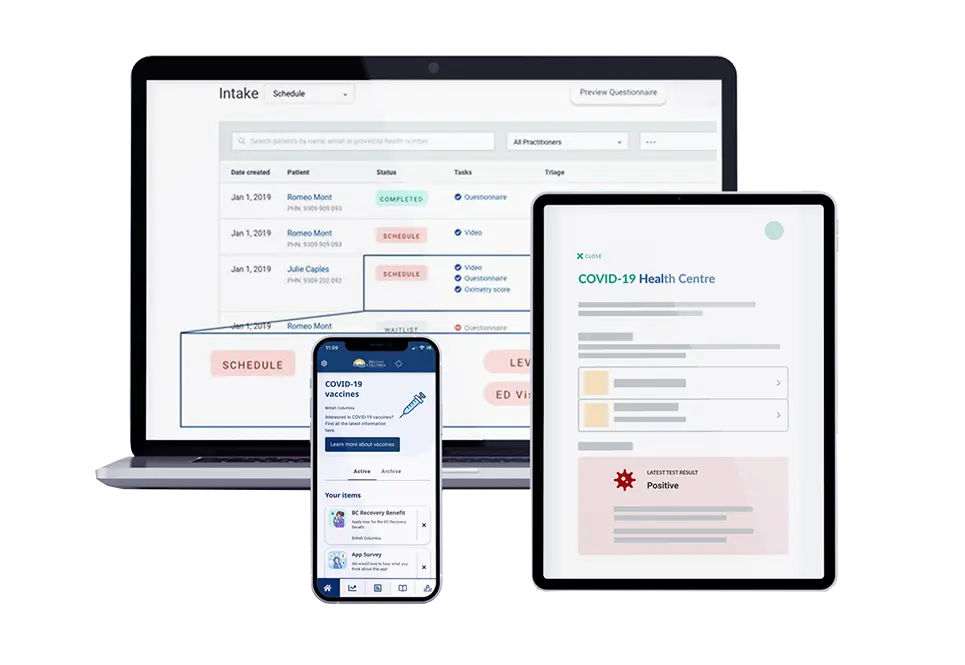
Developed a HIPAA-compliant Telemedicine Solution Centered Around Patients
We built a HIPAA-compliant telemedicine platform to make quality care more accessible and secure. It supports video calls, messaging, and file sharing between doctors and patients.
With features like waiting rooms and queue management, it offers a smooth and easy experience for both patients and healthcare providers.
The Future of Telehealth in Home Health Care
As telehealth continues to evolve, its future promises exciting advancements and opportunities for improving home health care. Here are six key developments to watch for:
1. Integration with AI and Advanced Technologies
AI integration and advanced technologies will greatly impact telehealth in home health care. AI algorithms can analyze vast amounts of health data to provide more accurate diagnostics and personalized treatment plans. Advanced medical technologies like wearable devices and smart sensors will enable continuous monitoring of patients’ health, offering real-time insights and proactive care recommendations.
2. Ongoing Adaptation Post-Pandemic
The COVID-19 pandemic has accelerated the adoption of telehealth, and its role in home health care will continue to evolve. Healthcare systems are adapting to incorporate telehealth as a standard practice, balancing virtual and in-person care to meet patient needs effectively. This ongoing adaptation will lead to more refined processes and policies, ensuring that telehealth remains a valuable tool in the long term.
Related read: How to Overcome Post-COVID Barriers to Telemedicine?
3. Expansion of Remote Patient Monitoring
Remote patient monitoring is set to expand, allowing for more detailed tracking of health metrics from home. Devices that measure vital signs, blood glucose levels, and other critical health indicators will become increasingly sophisticated. This growth will enable healthcare providers to monitor patients conditions more closely, leading to timely interventions and improved management of chronic diseases.
Related read: Patient Monitoring: A Guide for Healthcare Providers
4. Greater Emphasis on Patient Education and Engagement
Future telehealth platforms will place a stronger emphasis on patient education and engagement. Interactive tools and resources will be integrated into telehealth services to help patients understand their conditions and treatments better. Enhanced educational content and user-friendly interfaces will encourage patients to take an active role in managing their health and adhering to treatment plans.
5. Increased Collaboration Between Providers
Telehealth will establish greater collaboration among healthcare providers, facilitating more coordinated care. Virtual platforms allow specialists, primary care physicians, and other healthcare professionals to work together more effectively. This collaborative approach will improve patient outcomes by ensuring that all patient care aspects are aligned and managed cohesively.
6. Development of Customized Telehealth Solutions
The future is condition-specific telemedicine for home health care. Providers are piloting targeted programs like:
- Telemedicine for home health CHF kits: daily weight + oxygen saturation monitoring.
- Diabetes bundles with glucose tracking + virtual endocrinology visits.
These solutions will offer specialized features and functionalities designed to address the unique challenges of different patient groups. By providing targeted support, these customized solutions will improve the overall effectiveness of telehealth in home health care.
The evolution of telehealth promises a future where home health care is more connected, efficient, and patient-centered, transforming the way we approach and manage health from the comfort of our homes.
How Mindbowser Can Help in Improving Patient Outcomes with Telehealth in Home Health Care
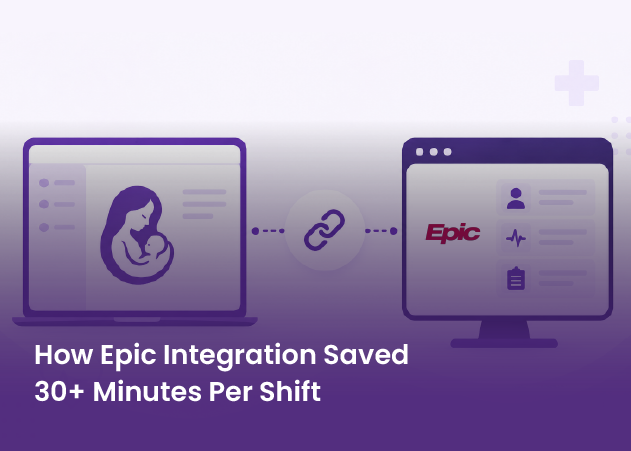
Mindbowser builds custom telemedicine platforms for home health care with RPM workflows that include alert thresholds and triage escalation. These solutions feature virtual visit templates embedded directly into care plans and integrate seamlessly with Epic and Cerner for real-time documentation. Built on a secure, HIPAA-compliant architecture, they ensure patient trust while enhancing care delivery.
Virtual consultations, remote monitoring, and efficient data sharing enhance patient satisfaction and health outcomes. Thus, integrating telehealth into home health care is important for delivering high-quality care in a modern healthcare environment.
Healthcare providers should consider telehealth technologies to improve patient care and address challenges. This can streamline operations, enhance patient engagement, and offer more flexible care options. Mindbowser can help develop and implement effective telehealth solutions, assisting in modernizing practices and enhancing patient care.
The best telehealth options for home health care include remote patient monitoring kits, scheduled virtual nurse visits, and caregiver-enabled video check-ins. Together, these provide continuity of care and reduce unnecessary hospital visits.
Key benefits of telehealth in home health include improved chronic disease management, reduced emergency readmissions, lower travel costs, and enhanced caregiver support through real-time guidance.
Telemedicine for home healthcare enables families to connect directly with nurses and therapists, ensuring that medications, wound care, and daily routines are followed correctly. This telehealth integration in home caregiving improves both safety and confidence at home.
To compare telehealth options for home health monitoring, assess whether the system includes vitals tracking, alert escalation, and EHR integration. Choose based on patient risk level, tech literacy, and reimbursement coverage.