BLOGS
BLOGS  NEWSROOM
  CASE STUDIES
  WEBINARS
  PODCASTS
  ASSET HUB
  EVENT CALENDAR

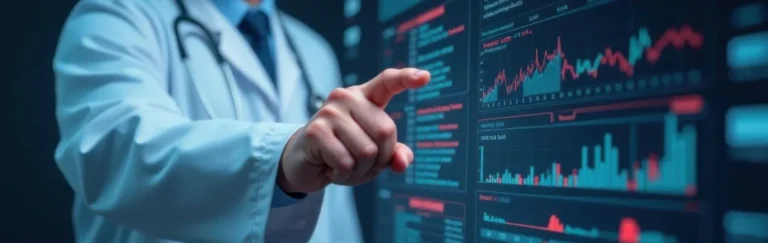


















SaMD is reshaping how healthcare operates in the digital age. It refers to software designed to perform medical functions, such as diagnosing diseases, monitoring patient health, or assisting in treatment decisions. Unlike traditional medical equipment, SaMD functions independently on devices like smartphones, tablets, or cloud systems, making healthcare more accessible and efficient. This innovation allows patients and providers to interact with medical technology in once unimaginable ways, offering smarter tools for better care.
This blog explores its core benefits, real-world applications, and how it differs from traditional medical devices. Learn about its role in clinical diagnostics, personalized medicine, and patient monitoring. Whether you’re a healthcare provider, tech innovator, or curious reader, this guide will provide actionable insights into how SaMD transforms healthcare delivery.
➡️ What is SaMD?
Imagine you have an app on your phone that tracks your heart rate or helps you manage your diabetes. That’s likely a type of SaMD, or Software as a Medical Device.
SaMD is any software used for medical purposes, like diagnosing diseases, monitoring health, or predicting risks. Think of it as a digital tool that helps doctors and patients work together better.
Because SaMD is considered a medical product, it has to meet high safety standards, just like any other medical device. This ensures that the software is reliable and won’t cause harm.
The US is projected to dominate the global SaMD market by 2034, accounting for 24.3% of the market, highlighting its significant role in driving innovation and adoption in the healthcare technology sector.
SaMD is playing a bigger role in healthcare these days, giving doctors better information to make decisions and empowering patients to take a more active role in managing their health.

Free eBook on Telemedicine Platform Development
Years of research compiled into a comprehensive eBook documenting the most efficient path to developing a new digital health solution, including key features, cost of development, best practices to comply with HIPAA norms, and resources to accelerate and achieve digital health adoption.
➡️ Key Characteristics of SaMD
Understanding the unique features of Software as a Medical Device (SaMD) is essential to grasping its growing role in modern healthcare. These key characteristics highlight how SaMD is transforming medical practices through flexibility, precision, and global accessibility.
🔹 Performs Medical Functions
Software as a Medical Device (SaMD) is designed to handle essential medical tasks, such as diagnosing illnesses, recommending treatment options, or assessing health risks. These functionalities directly contribute to improved patient outcomes and more efficient healthcare services, making SaMD an integral tool in modern medicine.
🔹 Independent of Hardware
Unlike traditional medical devices, SaMD is not tied to specific hardware. It can function seamlessly on smartphones, tablets, or computers, allowing it to adapt to various healthcare environments. This flexibility makes it accessible to healthcare providers and patients alike, ensuring versatility across different care settings.
🔹 Requires Regulatory Approval
SaMD must meet strict regulatory standards set by organizations like the FDA or EMA to ensure its safety and reliability. These guidelines validate its performance and build trust among users, establishing SaMD as a credible tool in the healthcare landscape.
🔹 Data-Driven Decisions
SaMD relies on analyzing patient data to provide actionable insights that assist healthcare professionals in clinical decision-making. This data-driven approach supports precision medicine and ensures treatments are tailored to individual needs, enhancing the quality of care.
🔹 Constant Updates
Regular updates are a hallmark of SaMD, allowing it to adapt to emerging healthcare needs and integrate new medical advancements. These updates improve functionality but also ensure that the software remains compliant with the latest standards and best practices.
🔹 Global Accessibility
The software-based nature of SaMD enables deployment across the globe, overcoming geographical barriers in healthcare. Its ability to reach underserved and remote areas makes it a critical tool for addressing disparities in medical access.
🔹 Interoperability with Systems
SaMD integrates effortlessly with existing healthcare systems, such as EHR platforms, to create a unified workflow. This seamless connection optimizes information exchange and enhances the efficiency of healthcare operations.
Related read: The Future of Interoperability in Healthcare
🔹 Patient-Centric Design
SaMD applications prioritize usability, focusing on meeting the needs of both patients and providers. With intuitive interfaces and adaptability to individual requirements, SaMD is designed to fit seamlessly into everyday healthcare routines.
➡️ How SaMD Differs from Traditional Medical Devices
From its software-driven functionality to its flexible development and accessibility, SaMD offers innovative ways to enhance healthcare delivery. Let’s discover the unique characteristics that set SaMD apart from traditional medical devices.
🔹Purpose and Functionality
SaMD primarily focuses on processing data and providing insights or guidance. Unlike traditional devices, it serves its purpose through software rather than relying on physical mechanisms.
🔹 Hardware Dependency
While traditional devices like CT scanners are hardware-driven, SaMD functions as software and needs basic hardware, like a smartphone or computer, to operate efficiently.
🔹 Development Process
Traditional devices are manufactured using rigid production methods. SaMD, on the other hand, benefits from flexible software development, allowing frequent updates and feature additions.
🔹Regulatory Pathways
SaMD regulations focus on ensuring software accuracy and reliability, whereas traditional devices face scrutiny for physical safety and material durability.
🔹 Deployment and Accessibility
SaMD can reach users instantly through app stores or digital downloads. Traditional devices depend on manufacturing, shipping, and in-person delivery methods.
🔹 Maintenance and Updates
SaMD allows for real-time updates, addressing issues swiftly. Traditional devices need manual repairs or replacements, often leading to operational delays.
🔹User Interaction
SaMD fits seamlessly into digital health ecosystems, offering convenience. Traditional devices require dedicated equipment and training, which can add complexity to their usage.
Let's Build Your Next FDA-compliant
SaMD App with Advanced Analytics, AI, and Secure Cloud Infrastructure.
➡️ Software as a Medical Device Examples
🔹 Diagnostic Tools
SaMD solutions are important in identifying diseases early by analyzing patient data like imaging or lab results. For example, AI-powered tools can scan X-rays or CT scans to detect irregularities, helping doctors pinpoint conditions like cancer or heart disease more effectively.
🔹 Chronic Disease Management
Managing chronic illnesses is simpler with software that uses data from wearable devices. These platforms monitor conditions like diabetes or high blood pressure by analyzing real-time information. For instance, apps connected to wearable glucose monitors help patients track and manage their blood sugar levels conveniently.
🔹 Mental Health Apps
SaMD applications are making mental health support more accessible. Apps based on cognitive behavioral therapy (CBT) provide interventions and exercises to help patients cope with anxiety or depression. AI-powered chatbots, for example, guide users through therapeutic conversations and offer real-time assistance.
Related read: Use Cases of Healthcare Chatbots: A Detailed Guide
🔹 Surgical Assistance
Modern surgeries benefit from software that provides surgeons with crucial insights during procedures. SaMD tools, such as augmented reality (AR) or virtual reality (VR) platforms, assist surgeons by offering simulations and real-time guidance during minimally invasive operations, helping improve precision and outcomes.
How Mindbowser Supports SaMD Development
Software as a Medical Device (SaMD) is reshaping healthcare by offering advanced solutions for diagnosis, monitoring, and treatment. From apps that track heart health to AI-powered imaging tools, SaMD provides innovative ways to improve patient care. As technology and regulations continue to evolve, SaMD has the potential to address critical healthcare challenges, making treatments more accessible and efficient.
Mindbowser provides expert support for every stage of SaMD development. We guide you through regulatory requirements to ensure your software complies with global healthcare standards. Our team specializes in creating custom SaMD solutions that integrate AI and advanced analytics to address unique needs. Security is a top priority, with strong data protection and encryption protocols in place to safeguard sensitive information. After deployment, we offer ongoing maintenance and upgrades to keep your software running smoothly and effectively, ensuring it continues to meet user needs and industry expectations.
Software as a medical device is designed to perform medical tasks, such as diagnosing or managing health conditions, without being tied to physical hardware.
Software plays an important part in enhancing medical devices by enabling monitoring, data processing, and more accurate healthcare decision-making.
Any standalone software with a medical purpose, like diagnosing diseases or managing treatments, falls under the category of SaMD.
Serenity Is Multi-Faceted Blockchain Based Ecosystem, Energy Retailer For The People, Focusing On The Promotion Of Sustainable Living, Renewable Energy Production And Smart Energy Grid Utility Services.