Centralized Health Metrics with One #Wearable API Integration#
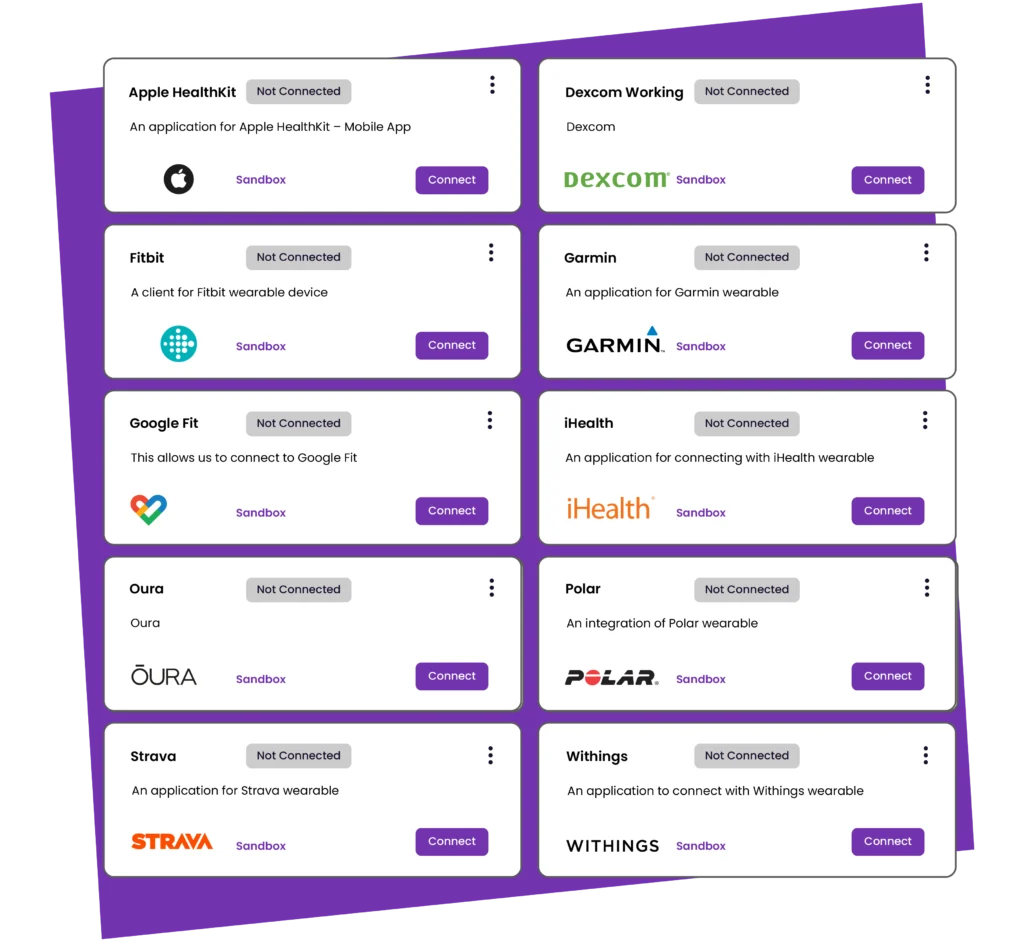
▪️ One integration – many devices and apps
WearConnect Integrates Smoothly with 300+ Activity Trackers & Apps!
▪️ Health & Fitness Data Intelligence
Leverage structured data to analyze user metrics and provide actionable insights.
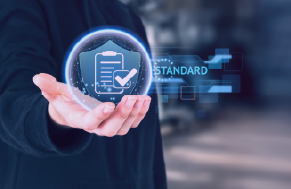
▪️ Security and Compliance
Ensuring strict adherence to industry regulations for a secure and compliant environment.
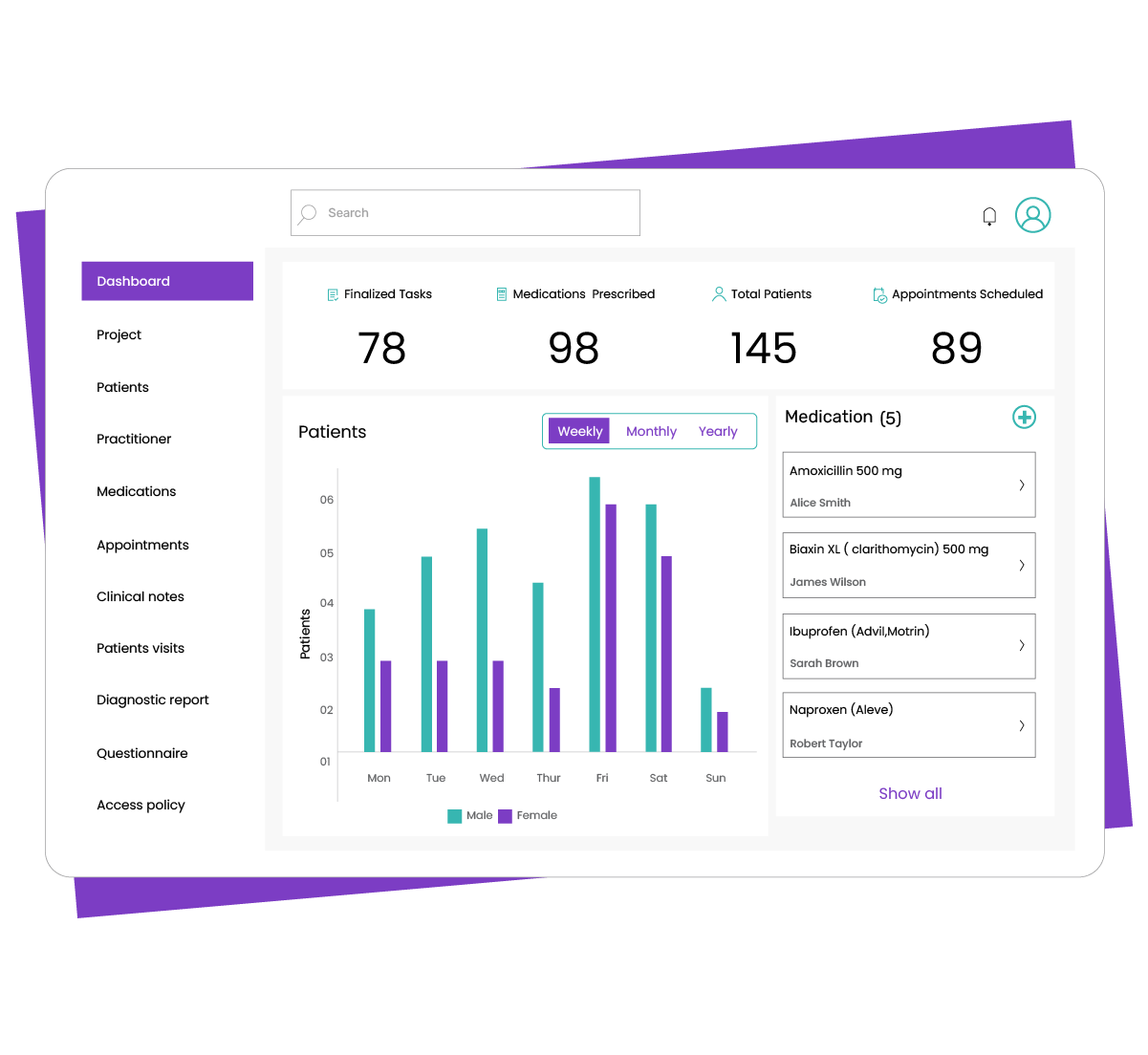
#WearConnect# Admin Tools
🔸 Integrations: Streamline EMR and EHR Integration, which includes Epic, Cerner, Athena Health, and other platforms.
🔸 Patients: Patient management system for easy access to patient information, history, and engagement tools.
🔸 Practitioner: Manage practitioners’ schedules, tasks, and communications to optimize healthcare delivery.
🔸 Medications: Track patient medications and refills with seamless integration to e-prescribe services.
🔸 Appointments: Efficient appointment scheduling and management system to optimize clinic workflow and patient scheduling.
Benefits of Wearable API Integration
Access to Wearable Device Features
Wearable APIs provide developers with access to the unique hardware features of wearable devices, such as accelerometers, gyroscopes, heart rate monitors, and other sensors. This enables the creation of applications that can utilize these features for innovative functionalities like activity tracking, health monitoring, and gesture recognition.
Easy Integration with Other Devices
These APIs facilitate smooth communication between wearables and other devices like smartphones and tablets. Developers can create applications that synchronize data across devices, offer remote control features, or provide extended functionalities by leveraging the capabilities of multiple devices in tandem.
Better User Engagement
Wearable APIs allow for real-time interactions and notifications directly on the user’s wrist or wearable device. This immediacy can lead to higher user engagement, as users can receive timely updates, alerts, and prompts without needing to check their phones. It enhances user convenience by providing quick access to critical information and actions.
Improved Health and Fitness Applications
With access to health-related data through Wearable APIs, developers can build sophisticated health and fitness apps. These applications can monitor vital signs, track physical activities, and even detect anomalies, providing users with valuable insights into their well-being.
Why is #Wearable API Integration# a Must for You?
Delaying Wearable API Integration will cost you both in the long and short run. Allow your organization to be ready for the future of healthcare with these:
✅ Real-time health updates: Monitor patient vitals 24/7 and catch issues early.
✅ Personalized care: Use wearable data to customize treatments and improve outcomes.
✅ Engaged patients: Keep patients active in their care with easy access to their health data.
✅ Cost-effective: Reduce in-person visits and hospital stays, saving time and money.
✅ Regulatory compliance: Stay on top of healthcare regulations with secure, integrated data.
✅ Future-ready: Boost your healthcare system’s efficiency with easy wearable integration.
%
Integration Cost Savings
%
Reduction in Development Hours
Mil+
Messages Processed Daily Volume
%
Faster Time-to-Market Delivery
%
Customer Satisfaction Rate
Our #Wearable API Integration# Approach
Unified Data Access
Provide easy access to patient data stored across diverse wearable platforms through a unified interface.
Role-Based Control
Implement role-based access control to restrict access to sensitive patient information and ensure data security.
HL7 Standard
Ensure compliance with HL7 standards for efficient data exchange between healthcare systems.
FHIR Hosted
Boost your data management by hosting your own FHIR server, ensuring effective data management.
HIPAA Compliance
Commitment to robust data security and patient privacy in adherence to HIPAA standards.
Scalable Integration
Deliver solutions that adjust to your company’s changing data needs, volume and complexity.
Wearable API Use Cases
Wellness Programs – Insurance companies can incentivize policyholders to adopt wearable devices for tracking health metrics. They can offer rewards or discounts based on achieving certain fitness goals or maintaining healthy habits.
Risk Assessment –Payers can use data from wearables to assess the health risks of their members more accurately. This information helps in designing targeted interventions and preventive measures to mitigate risks and reduce healthcare costs.
Chronic Disease Management-Wearable data can assist payers in managing chronic conditions more effectively by monitoring patients’ vital signs, medication adherence, and lifestyle behaviors remotely. Early detection of issues allows for timely interventions, preventing complications and hospitalizations.
Remote Patient Monitoring (RPM) –Healthcare providers can remotely monitor patients’ health status using wearable devices. They can track vital signs, activity levels, and medication adherence in real time, allowing for early intervention in case of any abnormalities.
Post-Operative Care –Wearables can be used to monitor patients’ recovery progress after surgeries or medical procedures. Providers can track healing indicators, detect complications early, and adjust treatment plans accordingly, optimizing recovery outcomes.
Clinical Trials –Wearable data can be leveraged in clinical research to gather objective measurements of patients’ health and behavior. Researchers can use this data to assess treatment effectiveness, monitor adverse events, and gain insights into disease progression.
Fitness TrackingPatients can use wearables to track their physical activity, sleep patterns, and overall fitness levels. They can set personalized goals, monitor progress, and receive motivational feedback to stay active and healthy.
Chronic Condition ManagementIndividuals with chronic conditions, such as diabetes or hypertension, can use wearables to monitor their health parameters continuously. They can share this data with their healthcare providers for personalized treatment plans and remote monitoring.
Health Awareness –Wearables empower patients to take control of their health by providing insights into their daily habits and behaviors. They can gain awareness of how their lifestyle choices impact their health and make informed decisions to improve their well-being.
#Process of EHR Integration# with HealthConnect CoPilot
Initial Consultation
Conduct an in-depth consultation to understand the client’s specific needs, goals, and existing systems. Identify key stakeholders and establish communication channels.
Requirement Gathering
Collect integration requirements, including data sources, functionalities, and security considerations. Collaborate with clients to prioritize features and set project milestones.
System Analysis & Design
Assess client systems for integration points and compatibility. Design a customized solution based on requirements, defining data mapping and implementation of security protocols.
Development and Testing: Timeline depends on the solution
Develop the integration solution using industry-standard protocols such as FHIR. Rigorously test the solution in a controlled environment to ensure reliability, scalability, and security.
Deployment
Deploy the integrated solution in collaboration with your IT team, ensuring minimal disruption to existing workflows. Provide comprehensive documentation and training to key stakeholders on using the new system effectively.
Maintenance and Improvement
Implement monitoring tools for performance, data integrity, and security, providing ongoing maintenance and support. Drive improvement by gathering feedback, identifying enhancements, and staying updated on industry trends.
End-to-End Healthcare Technology Services
We go beyond core healthcare solutions by offering a comprehensive suite of technology-driven services that enhance scalability, efficiency, security, and user experience.
Product Engineering
From concept to deployment, we design and develop high-performance digital health products tailored to industry needs. Our approach focuses on scalability, security, and compliance, ensuring seamless functionality and a strong foundation for growth.
We provide custom AI/ML development services to help healthcare organizations automate workflows, enhance clinical decision-making, and extract actionable insights from data. Our expertise includes predictive analytics, NLP for medical records, and AI-powered automation tailored to your needs.
We help businesses migrate, build, and optimize healthcare applications on cloud platforms while ensuring compliance and security. Our cloud services include architecture design, DevOps automation, and scalable infrastructure management for seamless performance.
We enable secure and efficient integrations across EHRs, medical devices, third-party APIs, and digital health platforms. Our team ensures data interoperability using FHIR, HL7, and custom API development, reducing silos and improving workflow efficiency.
We offer data engineering, analytics, and reporting services to help healthcare organizations harness their data effectively. Our team develops real-time dashboards, predictive models, and automated reporting to support better decision-making.
We help businesses meet HIPAA, GDPR, and other regulatory requirements by integrating security best practices into development. Our services include risk assessments, DevSecOps implementation, and data protection strategies for secure digital health solutions.
We help organizations design, develop, and integrate telemedicine platforms with features like video consultations, remote patient monitoring, and secure data exchange. Our services ensure seamless connectivity while maintaining compliance with healthcare regulations.
We provide end-to-end mHealth app development services, designing secure, user-friendly, and HIPAA-compliant mobile solutions for healthcare providers, patients, and caregivers. Our services include custom app design, wearable integrations, remote monitoring, and telehealth features to enhance patient engagement and care accessibility.
We develop custom Clinical Decision Support Systems (CDSS) that provide real-time insights, AI-driven recommendations, and predictive analytics to improve patient outcomes. Our solutions integrate seamlessly with EHRs and existing healthcare systems, reducing cognitive load and enhancing clinical decision-making.
We don’t just deliver solutions we build partnerships that drive transformation. With a proven track record in healthcare technology, we understand the industry’s unique challenges and offer customized solutions to help you achieve breakthroughs.
Clinical Expertise, Tech-Driven
Deep healthcare knowledge ensures technology aligns with real-world clinical workflows, driving impact.
Accelerators for Faster Launch
Pre-built components reduce engineering time by 30-40%, helping you get to market quickly.
AI with Enterprise-Grade Guardrails
AI models are trained on your local data in your secure cloud environment.
Strong Industry Partnerships
Proven integrations ensure seamless connectivity with EHRs, payers, and digital health ecosystems.
Domain Expertise
Delivered 50+ healthcare solutions across 10+ countries, representing our ability to provide a diverse healthcare ecosystem.
Customized Solutions
Reduced the development time by 40% by implementing customized solutions for every challenge.
Own Your IP
We deliver 100% ownership with a perpetual license for IP and code, enabling seamless data integration. Ensure full control and flexibility.
Integration and Scalability
Ensure seamless integration with your systems and scalability to adapt to evolving needs.
Ready-to-Use Libraries
Our 50+ prebuilt frameworks accelerate the development process and reduce time-to-market by 30%.
Ready AI Agents
The specialized AI tools are customized to address healthcare challenges, significantly improving diagnostic efficiency by 25%.
Center of Excellence
Stay informed with our hub, offering insights and thought leadership to empower your team.
Design Thinking-led Approach
Achieved 90+ NPS with a user-centric approach ensuring seamless adoption and superior experience.
Quality Automation
Leverage automation to reduce errors by 60%, boost efficiency, and enhance care quality.
Transparent Pricing Structures
Our clear, open pricing ensures you understand your investment without hidden costs or surprises.
Enterprise-grade security
Compliance-driven delivery, by design.
HIPAA-ready builds with controlled PHI access, secure environments, and disciplined engineering practices. Designed to reduce vendor risk and speed up onboarding.
01
SOC 2Type II audited
Independent audit of security controls operating over time.
02
HIPAAHIPAA-ready delivery
PHI safeguards built into access, environments, and release workflows.
03
GDPRPrivacy-first
Data handling built for modern privacy expectations.
04
Data AccessLeast privilege
Role-based access with controlled PHI exposure.
05
Secure SDLCBuilt into delivery
Code reviews, dependency checks, and security gates.
06
Interoperability | HL7 | FHIR | SMART
Secure integrations designed for traceability and reliability.
Proudly Building for #Healthcare’s Boldest Innovators#
From leading hospitals to digital-health companies, Mindbowser powers real-world healthcare transformation.
Frequently Asked Questions
WearConnect ensures data security with robust encryption protocols, access controls, SOC 2, HIPAA compliance, and end-to-end encryption
Yes, WearConnect is designed to seamlessly integrate with existing healthcare systems, ensuring that data from wearable devices can be accessed and utilized alongside other patient health data.
WearConnect can collect various types of health and fitness data from wearable devices, including activity levels, heart rate, sleep patterns, and more.
Yes, WearConnect offers customization options to tailor the integration and data collection process to the unique requirements of healthcare organizations and providers.
Let’s #Transform Healthcare,# Together.
Partner with us to design, build, and scale digital solutions that drive better outcomes.














 BLOGS
BLOGS  NEWSROOM
  CASE STUDIES
  WEBINARS
  PODCASTS
  ASSET HUB
  EVENT CALENDAR