

 BLOGS
BLOGS  NEWSROOM
  CASE STUDIES
  WEBINARS
  PODCASTS
  ASSET HUB
  EVENT CALENDAR


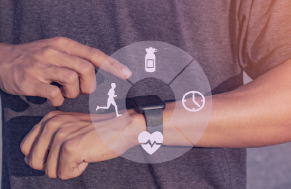
















The role of wearable technology in healthcare has evolved far beyond fitness tracking. Devices like Fitbit, Oura, and WHOOP provide valuable insights into health metrics, including sleep quality, heart rate variability (HRV), activity levels, and recovery. These metrics, once captured by wearables, can drive personalized care, improve employee engagement in wellness programs, and lead to better health outcomes.
As digital health ecosystems become more complex, integrating wearable data into wellness platforms has emerged as a key challenge. HR departments, benefits managers, and population health platforms now rely on this data to improve employee health, reduce healthcare costs, and promote preventive care. However, seamless integration of wearable health data integration is not without its challenges. Variations in device APIs, data normalization issues, and stringent privacy regulations, such as HIPAA, create obstacles that need to be overcome.
In this blog, we’ll explore which sleep and wellness platforms support wearable data integration, highlight some real-world examples, and discuss how digital health vendors can streamline this process. We’ll also cover best practices for ensuring compliance and privacy when handling sensitive health data.
I. The State of Wearable Health Data Integration
A. Evolution of Wearable APIs
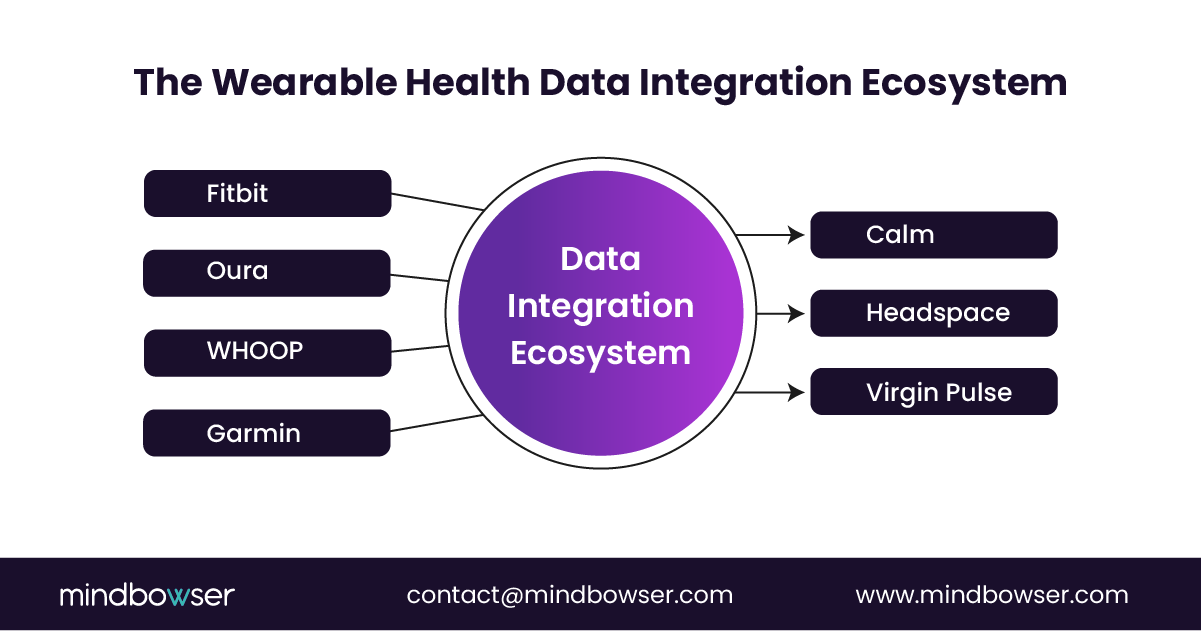
- Wearable devices such as Fitbit, Oura, WHOOP, Garmin, and Apple HealthKit have become essential tools in the healthcare and wellness landscape. These devices provide continuous monitoring of vital health metrics, including sleep, heart rate variability (HRV), and activity levels.
- As the demand for connected health solutions grows, these devices have evolved to support robust application programming interfaces (APIs) that allow them to communicate with wellness and clinical platforms. These APIs enable the seamless transfer of health data for use in decision-making, personalized care, and engagement programs.
B. Common Integration Pain Points
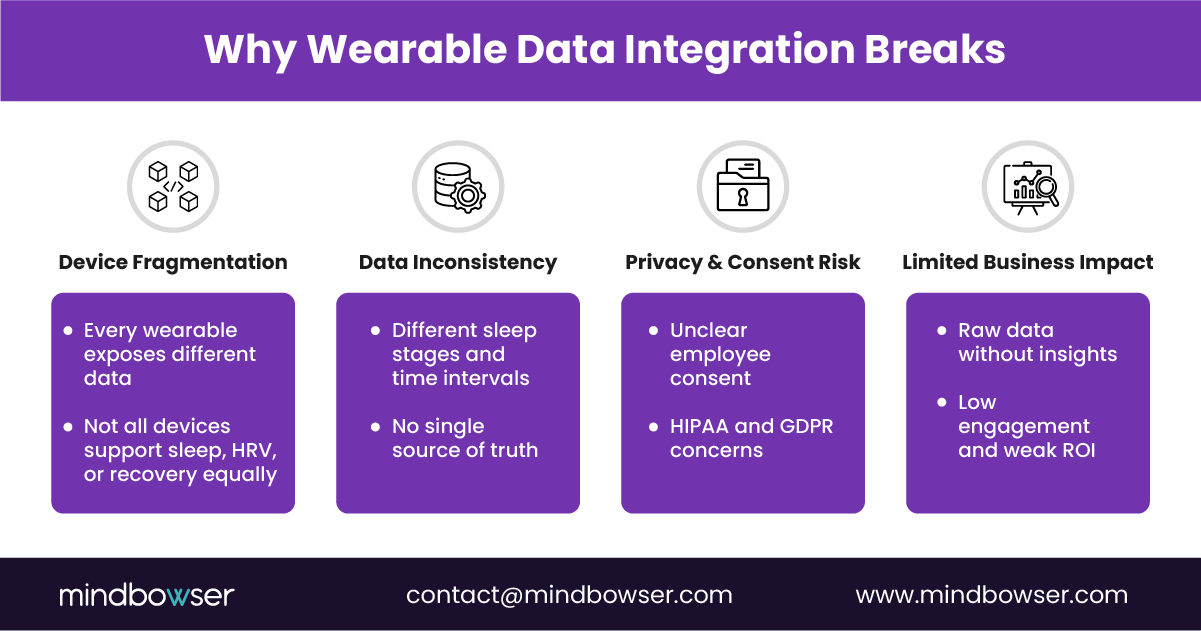
- Inconsistent APIs: Despite the availability of APIs from wearable manufacturers, not all are created equal. Some devices use proprietary APIs, while others use more open standards. The differences in API architecture, data formats, and functionality can make integration across platforms a challenging task. As a result, healthcare providers and wellness vendors often struggle with compatibility issues when trying to aggregate data from different devices.
- Data Normalization: One of the most significant challenges in wearable health data integration is data normalization. Devices track and report data in unique formats, making it difficult to create a unified view of an individual’s health status. For example, one device may report sleep stages at 15-minute intervals, while another may report them at 30-minute intervals. Standardizing this data for use across various platforms is essential for making accurate decisions.
- Privacy and Security Concerns: Wearable data is considered sensitive health information, which requires strict handling under regulations such as HIPAA and GDPR. Ensuring that the data is encrypted, anonymized, and shared with proper consent is a critical challenge. Vendors must ensure that their integration solutions meet privacy and security standards to protect patient and employee information.
C. Standards to Know
- FHIR (Fast Healthcare Interoperability Resources): FHIR is an emerging standard for healthcare data exchange that facilitates interoperability between healthcare systems. By using FHIR, wearables and health platforms can share data in a structured format, making it easier to integrate and utilize for clinical decision-making.
- HL7: HL7 is a well-established standard for healthcare data exchange, providing frameworks and protocols for the sharing of health information. Integration of wearables into clinical workflows often relies on HL7 messaging standards to ensure that data from wearables can be seamlessly integrated into Electronic Health Records (EHRs).
- Open mHealth: Open mHealth offers a framework for integrating data from mobile health apps and wearable devices. Using open standards enables easier integration between a wide range of devices and platforms, promoting interoperability and collaboration among health tech vendors.
D. Example: Health Monitoring Platform Integration
- Health Monitoring Platform’s Integration Approach: A leading health monitoring platform demonstrated how wearables and EHR systems can be integrated effectively to deliver real-time health insights. By leveraging FHIR and other interoperability standards, the platform enabled the seamless transfer of wearable data into the patient’s health record, allowing clinicians to make more informed decisions. This integration empowered healthcare providers to monitor patients proactively, offering a more personalized approach to care.
II. Sleep and Wellness Platforms That Support Direct Wearable Data
A. Calm & Headspace
- Integrations Available: Calm and Headspace are leading mindfulness and mental wellness platforms that support wearable integrations through Apple HealthKit and Health Connect by Google (Previously Google Fit). These integrations allow the platforms to collect sleep data, mindfulness session statistics, and heart rate information.
- Data Types Captured: Both platforms capture data related to sleep duration, heart rate, meditation minutes, and mindfulness session lengths. The data helps users monitor their progress and improve their mental well-being over time.
- Best Fit For: These platforms are ideal for mental wellness programs and stress management. They help employers and health providers create a holistic wellness offering that includes not just physical health metrics but also mental well-being.
B. Oura
- Integrations Available: Oura, known for its precision in sleep and recovery tracking, offers an API that integrates with Apple Health, Health Connect by Google (Previously Google Fit), and its own ecosystem. Through these integrations, Oura enables users to sync their health data across multiple platforms for a more comprehensive view.
- Data Types Captured: The Oura Ring tracks sleep stages, heart rate variability (HRV), readiness scores, and temperature deviations. These metrics provide valuable insights into recovery, which is crucial for individuals seeking to optimize their health and wellness.
- Best Fit For: Oura is best suited for recovery tracking and clinician-supported wellness. It is particularly valuable for use in corporate wellness programs, where data on sleep and recovery can help optimize employee performance and well-being.
C. WHOOP
- Integrations Available: WHOOP offers an API for seamless wearable integration with Apple Health, Strava, and other popular fitness platforms. WHOOP’s API enables users to export and sync their health data across various ecosystems, thereby enhancing the overall user experience.
- Data Types Captured: WHOOP specializes in tracking sleep stages, recovery, strain, and HRV. These metrics help users monitor how well their body is recovering and the amount of strain they’re putting on it through daily activities.
- Best Fit For: WHOOP is especially suited for corporate wellness and performance optimization. It is widely used in athletic settings and is increasingly being adopted by employers to improve employee engagement, performance, and recovery.
D. Fitbit, Garmin, and Apple HealthKit
- Integrations Available: Fitbit, Garmin, and Apple HealthKit offer extensive integrations with a wide range of devices. These platforms enable health and wellness apps to sync data from a wide range of wearables and utilize the data for various health management purposes.
- Data Types Captured: These platforms capture a range of metrics, including steps, sleep, heart rate, and activity levels. Some devices, like Garmin, also track stress and hydration levels.
- Best Fit For: These platforms are particularly valuable for enterprise wellness and population health management. They allow health administrators to track employee activity, health trends, and wellness engagement on a larger scale.
E. Enterprise Wellness Platforms (Virgin Pulse, Limeade, Wellable, etc.)
- Integrations Available: Enterprise wellness platforms, such as Virgin Pulse, Limeade, and Wellable, support integrations with wearable devices, including Fitbit, Garmin, and Apple Health, as well as other compatible devices. Some platforms also accept data via CSV/manual upload for wearables that do not provide direct API access.
- Data Types Captured: These platforms collect various metrics, including steps, heart rate, sleep patterns, and activity levels. The data is used to measure engagement, track employee health progress, and personalize wellness programs.
Best Fit For:
These platforms are designed for employer wellness programs, where tracking health metrics across a large employee base is essential. They provide engagement analytics, allowing employers to offer tailored health benefits to employees.
III. Integration in Action: The Beek Health Model
A. Real-Time Wearable + EHR Data Integration
- Mindbowser’s WearConnect accelerator showcases the practical benefits of integrating wearable devices with Electronic Health Records (EHRs). This solution enables real-time data flow from wearables, such as Fitbit, Oura, Garmin, Apple HealthKit, and Health Connect by Google (Previously Google Fit), into health platforms, allowing for continuous monitoring of patient health.
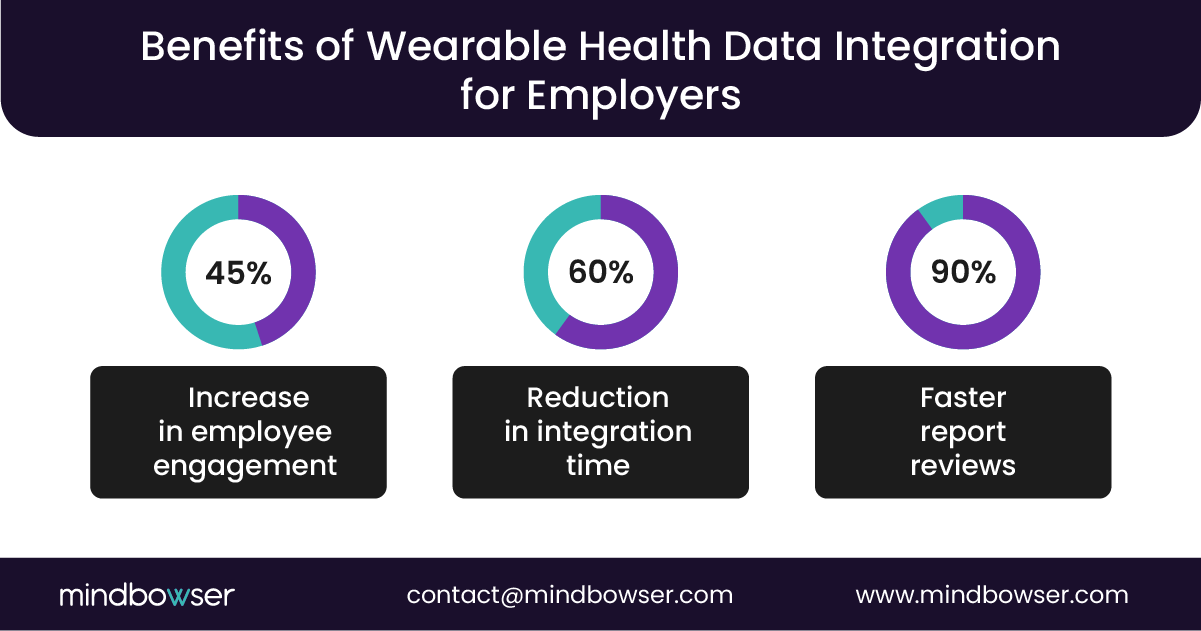
- Impact: A Health Monitoring platform, which leveraged WearConnect, resulted in a 45% increase in patient engagement and a 90% reduction in report review time. This integration enables healthcare providers to track and act on health data more efficiently, ultimately improving patient outcomes and operational efficiency.
- Key Takeaway: For vendors seeking to integrate wearable devices with clinical systems, the Health Monitoring platform’s model provides a proven blueprint. By seamlessly integrating wellness data with EHR systems, vendors can enhance care coordination, improve patient engagement, and facilitate more informed decision-making for healthcare professionals.
B. The Relevance for Vendors
- Vendors who are focused on offering digital health solutions can learn from the By bridging the gap between wellness data and clinical systems, digital health vendors can enhance the depth of their offerings and deliver greater value to their clients.
- As wearables play an increasingly significant role in preventive healthcare and employee wellness, integration solutions like WearConnect will be key in ensuring that data flows smoothly between devices, platforms, and healthcare providers.
IV. Privacy, Compliance, and Interoperability Considerations
A. Ensuring Compliance
- HIPAA and GDPR govern the collection, storage, and transmission of wearable health data. Wearable data is often considered sensitive health information, and it must be treated with the highest level of privacy and security.
- Digital health vendors must ensure that their wearable data integrations are compliant with these regulations. This includes ensuring that data is encrypted both in transit and at rest, and that it is anonymized if necessary to protect patient privacy.
B. Data Sharing Consent
- For wearable data to be effectively utilized in wellness and healthcare programs, organizations must obtain clear consent from individuals. This is particularly important in employee wellness programs, where the consent process must be transparent and straightforward.
- Consent management should be built into the integration process to ensure that individuals have control over what data is shared and how it is used. This can include options to allow users to revoke consent at any time, providing them with flexibility and control.
C. API Governance and Access Control
- Proper governance is crucial for protecting wearable health data and ensuring that only authorized parties can access the information. Implementing OAuth2 and other security protocols is critical to ensuring that API access is securely managed.
- Regular audits of access logs and token expiration mechanisms must be implemented to prevent unauthorized access. This ensures that data is only shared with trusted platforms and providers, maintaining the integrity of the data.
D. Example: Epic Integration
- Epic’s integration of HL7 protocols for structured data exchange is an example of how interoperability standards can improve the flow of health data between systems. By adhering to structured protocols, Epic ensures that data from wearables can be easily integrated with EHR systems for use by healthcare providers.
- The adoption of similar standards in wearable health data integration will be crucial in enabling seamless, secure, and effective data sharing across multiple systems, ultimately leading to improved care outcomes and operational efficiency.
Build Smarter, Connected Health Platforms
V. Building a Plug-and-Play Wearable Ecosystem
A. Streamlining Wearable Integrations
- Digital health vendors can simplify the process of wearable data integration by leveraging Software Development Kits (SDKs) and pre-built accelerators, such as WearConnect. These tools enable vendors to rapidly integrate wearables with existing health platforms, eliminating the need for extensive custom development.
- By utilizing standardized integration tools, vendors can save both time and resources while delivering a more seamless user experience. These accelerators often come with built-in support for multiple wearables, ensuring that health platforms can work with a wide range of devices from different manufacturers.
B. The Role of Standardization
- The adoption of FHIR profiles and unified data schemas is crucial to ensuring that data from wearables can be easily integrated and understood across different platforms. Standardized data formats facilitate the aggregation of health data, ensuring that all systems interpret the data consistently.
- Standardization also enhances data interoperability, facilitating better coordination among EHR systems, wellness platforms, and digital health tools. As wearables continue to play a central role in healthcare, maintaining these standards will be essential for supporting future innovations in digital health.
C. Cost and Speed Benefits
- Pre-built APIs and integration accelerators can significantly reduce the time and cost associated with integrating wearables into existing systems. By eliminating the need for custom integrations, vendors can cut down development time by as much as 60%, enabling faster go-to-market strategies.
- These tools also simplify the integration process, making it easier for digital health vendors to scale their offerings quickly. This provides a competitive advantage in a rapidly evolving market, where speed and efficiency are crucial for success.
Conclusion
Wearable health data integration is rapidly becoming a cornerstone of modern healthcare and wellness ecosystems. As more organizations recognize the importance of tracking sleep, activity, and recovery, the ability to integrate wearable data into digital health platforms is crucial for delivering personalized care, enhancing employee engagement, and promoting overall well-being.
For health tech vendors and employers, the strategic takeaway is clear: choose platforms and solutions that prioritize wearable data integration as a core component, not as an afterthought. By selecting interoperable, compliant solutions that streamline data flow from wearables, organizations can unlock actionable insights that improve care outcomes and optimize employee wellness programs.
The future of health and wellness relies on the seamless integration of data, and wearables will play an increasingly important role in this transformation. Embracing these technologies today will position organizations for success tomorrow, driving both improved health outcomes and enhanced business results.
Wearable health data integration refers to the process of connecting data from wearable devices—such as Fitbit, Oura, and WHOOP—to digital health platforms, wellness programs, and healthcare systems. This integration enables seamless data sharing and analysis, facilitating more personalized care and enhanced health outcomes.
The best wearable platform for your organization depends on your specific needs and requirements. For employee wellness, consider platforms that offer robust integrations with popular wearable devices, provide actionable health insights, and support compliance with regulations such as HIPAA. It’s also essential to ensure the platform can integrate with existing healthcare systems or EHRs.
The key compliance challenges include ensuring the security and privacy of health data in accordance with regulations such as HIPAA and GDPR. Additionally, vendors must secure explicit consent from users for data sharing and ensure data is anonymized when necessary. Data governance and access control protocols, such as OAuth 2.0, are also essential for maintaining compliance.
Yes, wearables can be integrated with EHR systems using interoperability standards like FHIR and HL7. This enables healthcare providers to access real-time health data from wearables, allowing them to make informed decisions and manage patient care more effectively.
Mindbowser provides WearConnect, an integration accelerator that simplifies the connection between wearables and healthcare platforms. We offer pre-built solutions that streamline data flow, reduce development time, and ensure compliance with industry standards, helping vendors and healthcare providers leverage wearable data for improved patient and employee outcomes.