












 BLOGS
BLOGS  NEWSROOM
  CASE STUDIES
  WEBINARS
  PODCASTS
  ASSET HUB
  EVENT CALENDAR




















➡️ Why Are Chatbots Becoming Increasingly Essential in Healthcare?
Before chatbots, healthcare organizations utilized traditional methods like phone calls, in-person visits, and paper-based systems for patient interaction. This led to long wait times for appointments, frustration, and decreased patient satisfaction. Administrative staff struggled with handling inquiries and manually tracking patient records and appointments.
In many cases, information dissemination was inconsistent. Patients had to navigate complicated menus when calling a healthcare facility, and obtaining basic information about services often required multiple transfers. This created significant delays in care and led to missed opportunities for patient engagement.
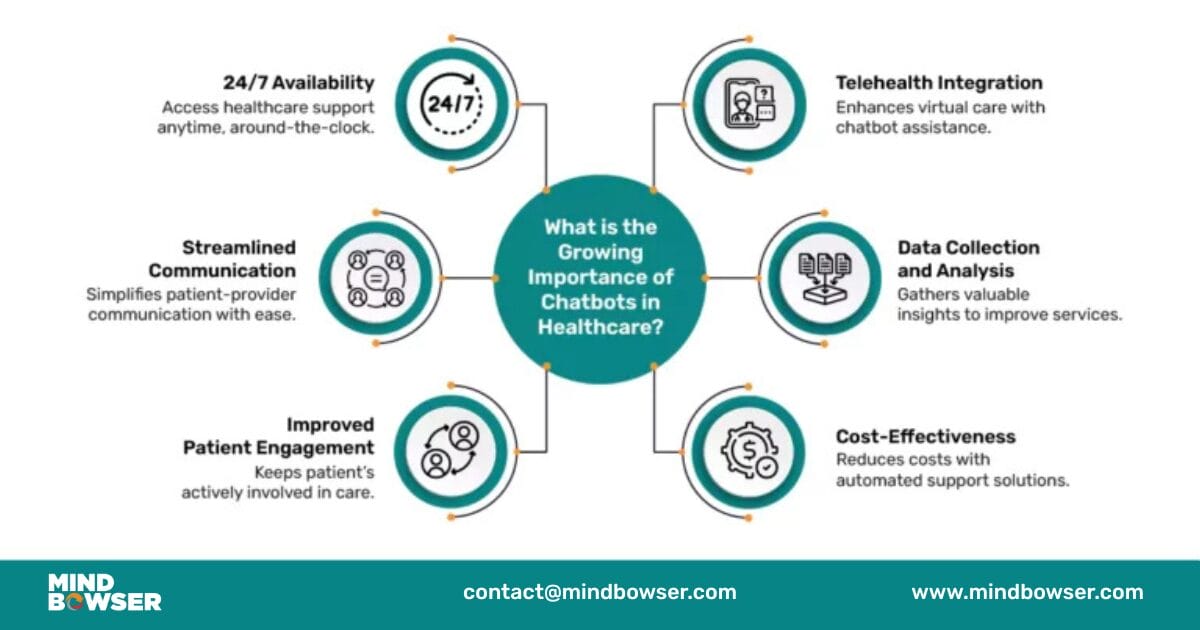
The emergence of chatbots has transformed healthcare delivery, offering a more efficient and accessible way to interact with patients. As technology evolves, the importance of chatbots in healthcare continues to grow for several key reasons:
✅ 24/7 Availability: Chatbots provide round-the-clock access to healthcare services, allowing patients to obtain information or schedule appointments. This flexibility reduces wait times and enhances patient satisfaction.
✅ Streamlined Communication: By automating responses to frequently asked questions, chatbots can handle patient inquiries. This alleviates the burden on administrative staff, enabling them to focus on more complex issues.
✅ Improved Patient Engagement: Chatbots can deliver personalized health information, reminders, and follow-up messages, fostering ongoing communication between patients and providers. This level of engagement encourages adherence to treatment plans and appointments.
✅ Cost-Effectiveness: Implementing chatbots can reduce operational costs for healthcare facilities. By automating routine tasks, organizations can allocate resources more effectively and improve overall efficiency.
✅ Data Collection and Analysis: Chatbots can gather valuable patient data during interactions, enabling healthcare providers to analyze trends and tailor services to meet specific patient needs. This data-driven approach supports informed decision-making and enhances service delivery.
✅ Telehealth Integration: With the rise of telehealth, chatbots can facilitate virtual consultations by guiding patients through the scheduling process and ensuring they have the necessary information for their appointments.
Related read: 10 Growth Strategies for a Telehealth Platform
Learn How AI-driven Precision Medicine can Enhance Patient Care
➡️ 6 Key Use Cases of Healthcare Chatbots
Let’s explore seven impactful ways healthcare chatbots enhance patient care efficiency:
1️⃣ Appointment Scheduling and Management
Chatbots have simplified the appointment scheduling process in healthcare. For instance, the Mayo Clinic implemented a chatbot on its website, allowing patients to book, cancel, or reschedule appointments effortlessly. The chatbot automates scheduling by checking available time slots and synchronizing with EHRs, enhancing patient convenience and reducing administrative workloads, allowing healthcare providers to focus on critical tasks.
2️⃣ Symptom Checking and Triage
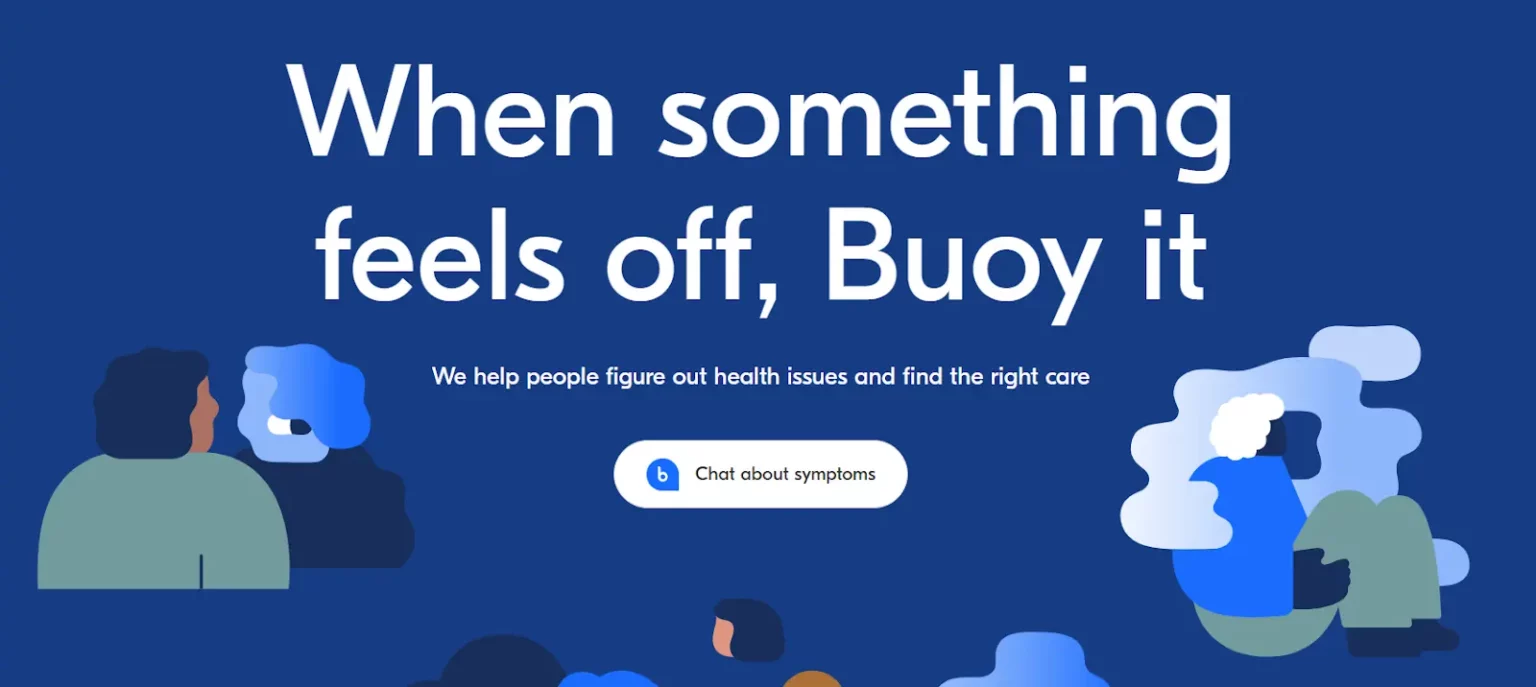
Chatbots designed for symptom checking can be invaluable for patients unsure about the urgency of their symptoms. Buoy Health’s AI chatbot exemplifies this by quickly analyzing symptoms and advising users whether they need immediate care or self-treatment. This guidance helps patients make informed decisions and reduces unnecessary hospital visits, ultimately improving healthcare efficiency and resource allocation.
3️⃣ Patient Engagement and Education
Healthcare chatbots significantly improve patient engagement and education throughout the care journey. The Ada Health Symptom Checker is an excellent example, as it guides users by asking various questions about their symptoms. This chatbot provides insights and encourages patients to take an active role in managing their health. Chatbots provide personalized educational resources and support, ensuring patients remain informed and engaged in their treatment plans.
Organizations looking to expand these capabilities can implement healthcare AI chatbot solutions to automate patient interactions, answer routine questions, and provide timely support throughout the care journey.
4️⃣ Mental Health Support
Mental health concerns are increasingly prevalent, and chatbots are providing crucial support. Woebot, for example, offers Cognitive Behavioral Therapy (CBT) techniques through an accessible platform. By checking in with users regularly and promoting positive mental health practices, Woebot effectively scales support for individuals hesitant to seek traditional therapy. This approach ensures that mental health resources are available whenever patients need them.
5️⃣Post-Discharge Follow-Up and Patient Monitoring
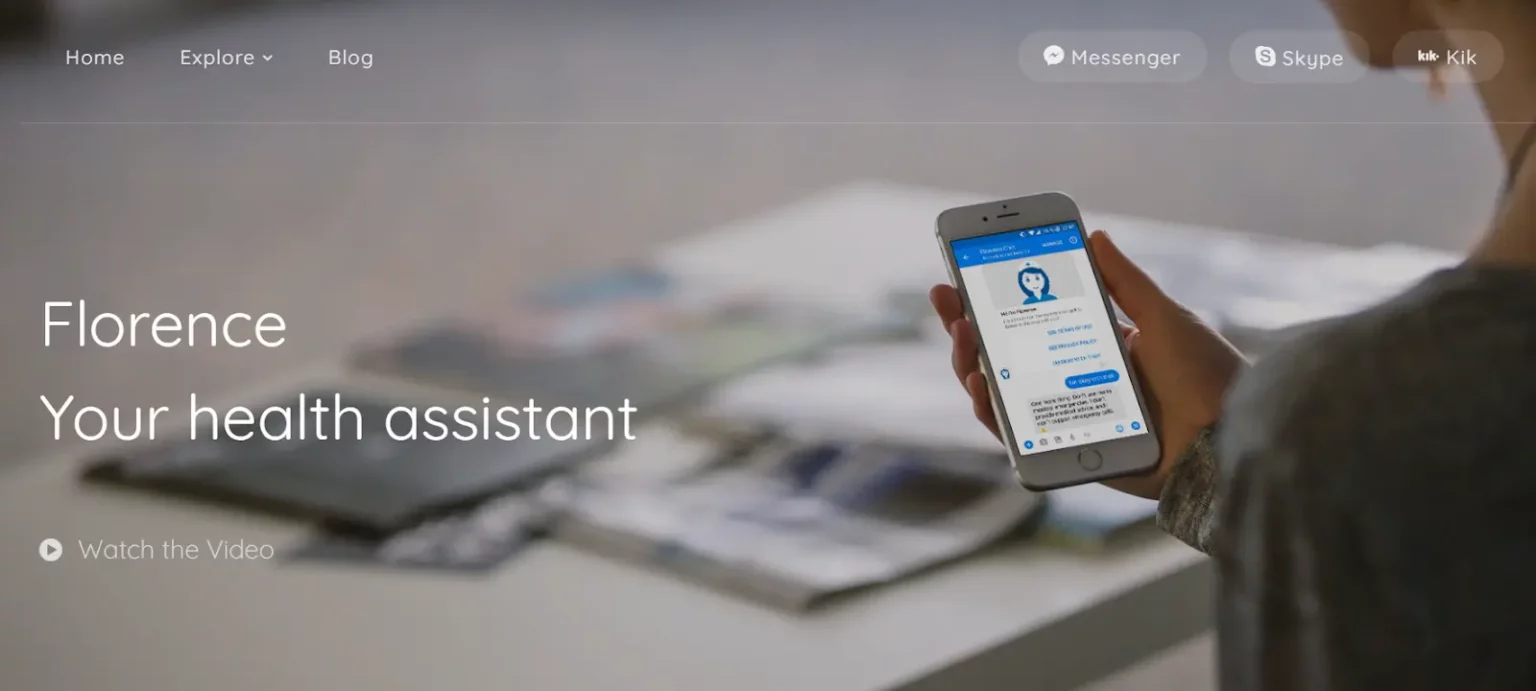
Chatbots help in post-discharge care by monitoring patients’ progress and adherence to treatment plans. Florence, a dedicated health bot, assists patients in logging medications, sending reminders, and answering questions about side effects. This continuous follow-up helps ensure patients remain on track during recovery, significantly reducing readmission rates and improving overall health outcomes.
6️⃣ Administrative Automation
Healthcare chatbots are streamlining administrative tasks, including billing inquiries and prescription refills. The Cleveland Clinic’s Appointment & Billing Bot automates responses to common queries about billing and insurance. By handling these administrative duties, chatbots reduce the burden on healthcare staff, allowing them to focus on more complex issues and patient care, ultimately improving operational efficiency.
How Mindbowser Can Help with AI Chatbots in Healthcare
Mindbowser is at the forefront of AI chatbot development tailored specifically for healthcare. With extensive expertise in creating secure, HIPAA-compliant chatbots, we offer customized solutions for healthcare providers. Whether your goal is to improve patient engagement, automate administrative processes, or enhance mental health support, we are here to help.
We ensure that your healthcare chatbot use cases are implemented smoothly and integrated with your existing systems, including EHRs and other patient management tools. Our solutions are designed to be scalable, secure, and user-friendly, helping you meet patient needs effectively.