Wearable Technology for Elderly Care: Overcoming Integration Challenges for Better Patient Outcomes
Wearbles & IoMT

Wearable Technology for Elderly Care: Overcoming Integration Challenges for Better Patient Outcomes

Table of Content

TL;DR

Wearable technology is transforming elderly care by offering real-time health monitoring and seamless communication between patients, caregivers, and healthcare providers. It supports independent living for vulnerable populations such as elderly patients, those with dementia, and individuals with learning disabilities or autism.

However, integrating wearables into existing healthcare workflows presents significant challenges, including ensuring compliance, managing data privacy, and achieving interoperability with Electronic Health Records (EHRs). To make these integrations successful, a workflow-first approach is critical.

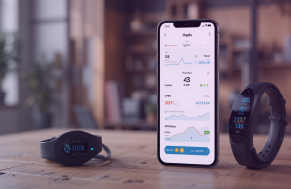
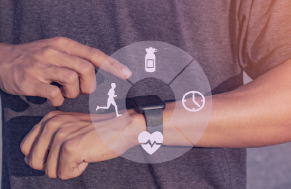
Wearable technology, like Fitbit and Apple Watch, is transforming how healthcare is delivered to vulnerable populations, especially elderly patients, those with dementia, and individuals with learning disabilities. These devices enable real-time health monitoring, offering a crucial lifeline by tracking key health metrics such as heart rate, blood pressure, and activity levels.

For these populations, wearables offer more than just health data; they enable independent living, reduce hospital readmissions, and improve communication among patients, caregivers, and healthcare providers.

Despite the benefits, integrating wearables into healthcare systems presents significant challenges, including data privacy concerns, achieving HIPAA compliance, and ensuring seamless EHR integration. In this blog, we’ll explore why wearables are essential for elderly care, the hurdles healthcare providers face, and how a workflow-first approach can make these integrations successful for better patient outcomes.

I. Why Wearable Technology is Essential for Elderly Care

Wearable technology has become a vital component of elderly care, offering real-time health monitoring and helping to bridge the gap between patients, caregivers, and healthcare providers. It enables continuous tracking of key health metrics, particularly crucial for elderly individuals and those with chronic conditions such as dementia or learning disabilities.

A. Benefits of Wearable Tech for Vulnerable Populations

  1. Real-time Health Monitoring
    Wearable devices continuously track vital signs like heart rate, blood pressure, and activity levels, providing immediate feedback to caregivers and healthcare providers. This real-time monitoring allows for quicker interventions when health issues arise, preventing complications and reducing the need for frequent hospital visits.
  2. Reduced Hospital Readmissions
    One of the primary benefits of wearable technology is the ability to monitor patients remotely, helping to catch potential health problems before they escalate. This proactive approach helps reduce hospital readmissions by detecting early warning signs of complications, allowing healthcare providers to intervene sooner and adjust treatment plans accordingly.
  3. Promoting Independent Living
    Wearables help elderly patients live independently by providing a safety net. These devices can monitor physical health, ensuring that caregivers are alerted when there’s a change in the patient’s condition, whether that’s a fall, an abnormal heart rate, or another emergency. This monitoring enables patients to live at home longer, with more autonomy, while still maintaining a strong connection to their care team.

B. Key Populations That Benefit

  1. Elderly Patients
    As people age, the risk of developing chronic conditions like heart disease, hypertension, and diabetes increases. Wearable technology provides an essential tool for monitoring and managing these conditions by tracking vital signs and daily activity levels, reducing the risk of severe health episodes.
  2. Patients with Dementia
    Dementia and Alzheimer’s disease can cause cognitive decline and impair the ability to remember daily routines, which increases the risk of wandering or missing important medical appointments. Wearables designed for dementia patients can track location, provide medication reminders, and send alerts to caregivers if the patient leaves a safe area.
  3. Individuals with Learning Disabilities
    Patients with autism or learning disabilities often struggle with managing their health due to difficulties in communication and understanding. Wearables designed for this population can track health metrics and help caregivers monitor signs of stress or discomfort, making it easier to address emerging issues before they become serious.

II. Challenges in Integrating Wearable Technology into Healthcare Systems

While the benefits of wearable technology in elderly care are clear, integrating these devices into existing healthcare systems presents significant challenges. From ensuring data privacy and maintaining compliance to achieving interoperability with Electronic Health Records (EHRs), healthcare providers face various hurdles to fully harness the power of wearables.

A. Data Privacy and Compliance Concerns

  1. HIPAA Compliance
    One of the primary concerns with integrating wearables into healthcare systems is ensuring HIPAA compliance. These devices collect sensitive health data that must be protected from unauthorized access. Healthcare organizations must ensure that data gathered by wearables is securely stored, transmitted, and accessible only to authorized individuals. Failure to comply with HIPAA regulations can lead to significant legal and financial penalties.
  2. Data Storage and Access
    Wearables generate large amounts of data that need to be stored securely. This data must be easily accessible to healthcare providers while remaining private and protected. Many healthcare organizations still rely on legacy systems that are not designed to handle the volume and variety of data generated by wearables, creating integration challenges. Ensuring the secure storage and controlled access to this data is critical for maintaining patient trust and complying with regulatory requirements.

B. Interoperability with Existing Healthcare Systems

  1. Electronic Health Record (EHR) Integration
    A key challenge in integrating wearable technology into healthcare systems is ensuring that data from wearables can be seamlessly integrated with existing EHR systems. Healthcare providers need a unified platform that consolidates patient data from various sources, including wearables, EHRs, and other diagnostic tools. Without proper integration, this fragmented data can lead to inefficiencies, missed health insights, and potential risks for patient care.
  2. Data Standardization
    Wearables come from different manufacturers and often track different health metrics, making it difficult to standardize the data they collect. Data standardization is essential to ensure that all wearable devices can communicate effectively with EHR systems and other healthcare technologies. Without standardized formats, the data from different wearables may be incompatible, creating barriers to successful integration and making it harder for healthcare teams to use the information effectively.

C. Adoption and Training

  1. User Resistance
    One of the main barriers to the widespread adoption of wearable technology is user resistance, particularly among elderly patients who may not be familiar with new technology. Some may feel overwhelmed by the device’s features, while others might resist wearing them altogether. Overcoming this resistance requires user-friendly designs and ensuring that patients feel comfortable and confident using the devices.
  2. Training for Healthcare Providers
    Healthcare providers need proper training to interpret data from wearables and integrate it into patient care. This includes learning how to use the wearable tech to track patient progress, adjust treatment plans, and respond to alerts. Without ongoing training and support, healthcare teams may struggle to fully utilize the wearables, limiting their effectiveness in patient care.

Planning wearable integration for elderly or remote care programs?

III. How to Overcome Integration Challenges

To successfully integrate wearable technology into healthcare systems, a workflow-first approach is essential. This approach prioritizes ease of use, seamless data flow, and secure interoperability between devices and healthcare systems. Below are strategies to address the key challenges discussed earlier.

A. Workflow-First Design

  1. Designing Seamless Integration
    To overcome integration challenges, wearable data must be seamlessly incorporated into existing patient care workflows. This means ensuring that the data is automatically transmitted to EHR systems or other healthcare platforms without requiring manual entry or additional steps. A seamless workflow helps prevent data overload and enables healthcare providers to take quick action when alerted to abnormal readings or health concerns.
  2. Improving Communication Between Devices and Care Teams
    Effective communication between wearable devices, patients, and healthcare providers is crucial for ensuring optimal patient care. Wearables should not just collect data; they must also alert caregivers and providers in real time when concerns arise. Integrating these alerts into the existing communication channels used by healthcare teams, such as secure messaging systems, helps ensure that the right individuals are notified quickly and that timely action is taken.

B. Addressing Compliance and Data Privacy

  1. Implementing Secure Data Practices
    To maintain compliance with HIPAA and other regulations, healthcare providers must adopt robust data security practices. This includes encrypting data both during transmission and at rest, ensuring that only authorized personnel have access to sensitive health information, and regularly auditing access to wearable data. Additionally, healthcare organizations should be transparent with patients about how their data is collected, stored, and shared, building trust and ensuring that patients feel confident using the technology.
  2. Transparency with Patients and Caregivers
    A critical component of ensuring data privacy and security is providing clear information to both patients and caregivers. By educating them about how the wearables work, what data they collect, and how that data will be used and protected, healthcare providers can help alleviate concerns. Transparency will encourage patients to adopt the technology and caregivers to use it confidently, knowing that their information is secure.

C. Training and Support for Adoption

  1. User-Friendly Device Design
    For wearables to be successfully adopted by elderly patients, the devices must be designed with simplicity and usability in mind. Large buttons, clear instructions, and simple interfaces can help users, particularly those unfamiliar with technology, feel more comfortable using the devices. Additionally, automated features like medication or health check alerts can help patients without requiring them to remember complex tasks.
  2. Continuous Training for Healthcare Providers
    Healthcare providers must be equipped with the knowledge and skills to interpret wearable data effectively. Training should include understanding the clinical significance of the data, how to act on insights from wearable devices, and how to incorporate wearable data into patient care plans. Regular follow-up training ensures healthcare teams stay up to date on the latest technology, best practices, and compliance requirements.

IV. The Future of Wearable Technology in Elderly Care

As wearable technology continues to evolve, its role in elderly care and vulnerable populations will only grow. The future of wearables in healthcare is not just about tracking health metrics but also about leveraging AI, improving interoperability, and ensuring these devices truly integrate into patients’ daily lives and healthcare systems. Below are key trends and advancements shaping the future of wearable technology in elderly care.

A. Advancements in Wearable Tech

  1. AI-Driven Insights
    In the future, artificial intelligence (AI) will play a significant role in enhancing wearable technology. AI algorithms will analyze data collected from wearables to generate actionable insights, such as early detection of health issues or the prediction of potential health events like heart attacks or strokes. AI can help healthcare providers focus on high-risk patients, automate routine tasks, and ensure more timely interventions.
  2. Greater Integration with Healthcare Ecosystems
    As healthcare systems move toward more integrated care models, wearables will need to sync more seamlessly with a range of platforms, including EHRs, remote patient monitoring systems, and telemedicine tools. This will help create a single, unified patient record accessible to multiple care team members, ensuring better-coordinated care. Enhanced integration will lead to a smoother flow of patient data and improved outcomes by providing a comprehensive view of a patient’s health.

B. Scaling for Broader Impact

  1. Wider Adoption Across Populations
    In the coming years, wearable technology will likely become more affordable and accessible, increasing its adoption not only among elderly individuals but also across other populations with chronic conditions. The broader adoption of wearables will help shift healthcare from reactive to proactive care, reducing the burden on hospitals and enabling better management of chronic diseases at home. This shift could lead to reduced healthcare costs and improved long-term health outcomes.
  2. Cost Reduction and Efficiency
    As wearables become more widespread, they will help reduce the overall cost of healthcare by enabling earlier detection and intervention, reducing the need for emergency care, and helping avoid expensive hospital readmissions. By continuously monitoring patients’ health at home, wearables can lead to more efficient care, which will be crucial as healthcare providers strive to meet the needs of an aging population while managing costs.
coma

Empowering Independent Living: The Path Forward for Wearable Technology

The integration of wearable technology into elderly care presents a tremendous opportunity to improve patient outcomes, promote independent living, and reduce healthcare costs. 

While there are challenges such as data privacy concerns, compliance issues, and interoperability hurdles, wearable technology is rapidly evolving, and solutions are emerging to address these obstacles.

By adopting a workflow-first approach, healthcare providers can ensure that wearable devices are seamlessly integrated into patient care workflows, enabling them to deliver on their full potential. 

As wearable tech continues to advance, its role in elderly care will only become more pivotal in enabling proactive care, improving health outcomes, and empowering patients to live healthier lives.

How can wearable technology improve the quality of care for elderly patients?

Wearable technology enables real-time health monitoring, enabling healthcare providers to track vital signs such as heart rate, blood pressure, and activity levels. This helps detect health issues early, reduces hospital readmissions, and enables elderly patients to live more independently while staying connected to their care teams.

What are the main challenges in integrating wearable technology into healthcare systems?

Key challenges include ensuring data privacy and HIPAA compliance, achieving seamless integration with Electronic Health Records (EHRs), and overcoming interoperability issues between different wearable devices and existing healthcare platforms.

How can healthcare providers ensure data privacy when using wearable technology?

Healthcare providers must implement strong data encryption, ensure only authorized personnel have access to sensitive patient data, and comply with HIPAA regulations to protect patient privacy. Transparency with patients about how their data is used and stored is also crucial to building trust.

What role does AI play in the future of wearable technology for elderly care?

AI will enhance wearable technology by providing predictive insights based on collected data. For example, AI can alert healthcare providers to potential health risks, such as abnormal heart rates or falls, and help detect conditions like heart attacks or strokes early, enabling timely interventions.

What are the cost benefits of wearable technology for elderly care?

Wearable technology helps reduce healthcare costs by enabling proactive monitoring, which can prevent expensive hospital readmissions and emergency visits. By detecting health issues early, wearables also reduce the need for frequent doctor visits, ultimately improving the efficiency of healthcare delivery.

Your Questions Answered

Wearable technology enables real-time health monitoring, enabling healthcare providers to track vital signs such as heart rate, blood pressure, and activity levels. This helps detect health issues early, reduces hospital readmissions, and enables elderly patients to live more independently while staying connected to their care teams.

Key challenges include ensuring data privacy and HIPAA compliance, achieving seamless integration with Electronic Health Records (EHRs), and overcoming interoperability issues between different wearable devices and existing healthcare platforms.

Healthcare providers must implement strong data encryption, ensure only authorized personnel have access to sensitive patient data, and comply with HIPAA regulations to protect patient privacy. Transparency with patients about how their data is used and stored is also crucial to building trust.

AI will enhance wearable technology by providing predictive insights based on collected data. For example, AI can alert healthcare providers to potential health risks, such as abnormal heart rates or falls, and help detect conditions like heart attacks or strokes early, enabling timely interventions.

Wearable technology helps reduce healthcare costs by enabling proactive monitoring, which can prevent expensive hospital readmissions and emergency visits. By detecting health issues early, wearables also reduce the need for frequent doctor visits, ultimately improving the efficiency of healthcare delivery.

Pravin Uttarwar

Pravin Uttarwar

CTO, Mindbowser

Connect Now

Pravin is an MIT alumnus and healthcare technology leader with over 15+ years of experience in building FHIR-compliant systems, AI-driven platforms, and complex EHR integrations. 

As Co-founder and CTO at Mindbowser, he has led 100+ healthcare product builds, helping hospitals and digital health startups modernize care delivery and interoperability. A serial entrepreneur and community builder, Pravin is passionate about advancing digital health innovation.

Share This Blog

Read More Similar Blogs

Let’s Transform
Healthcare,
Together.

Partner with us to design, build, and scale digital solutions that drive better outcomes.

Location

5900 Balcones Dr, Ste 100-7286, Austin, TX 78731, United States

Contact form