The Role of Electronic Health Records (EHR) in Home Health Rehabilitation
EHR/EMR

The Role of Electronic Health Records (EHR) in Home Health Rehabilitation

Table of Content

TL;DR

EHR systems are now essential in home health rehabilitation because they centralize patient information, improve coordination across nursing and therapy teams, reduce documentation errors, and support HIPAA and CMS compliance. With the home health market expanding and care moving into the home, agencies need digital tools that streamline workflows, enhance accuracy, and support better patient outcomes.

Home health rehabilitation is experiencing rapid growth as more patients recover at home rather than in institutional settings. The U.S. home healthcare market reached USD 162.35 billion in 2024, driven by earlier hospital discharges and an aging population that increasingly prefers home-based care.

Meanwhile, the U.S. healthcare system has largely completed its digital transition. According to the Office of the National Coordinator for Health IT (ONC), 96 percent of U.S. non-federal, acute-care hospitals and 78 percent of office-based physicians now use certified EHR systems.

This shift places pressure on home health agencies and rehab providers to adopt digital documentation tools that meet modern care coordination standards.

Unlike hospitals, home health teams document care across dozens of locations with limited real-time oversight. When EHR integration is incomplete, updates from the field arrive late, fragmented, or manually reconciled, increasing both clinical risk and operational strain.

For home health organizations evaluating the best EMR for home health care, the answer increasingly depends on how well a system supports interdisciplinary rehabilitation, compliance requirements, and real-time documentation.

Implementing an EHR for home health care is now essential to delivering safe, consistent, and efficient rehabilitation services across nursing, therapy, and remote teams.

ehr for home health care

I. What Home Health Services Benefit Most From EHR Integration?

Home health rehabilitation involves multiple disciplines working together on a shared recovery plan.

The value of an EHR in home health care depends not just on its documentation features, but also on how reliably information flows between disciplines without manual handoffs or delayed updates.

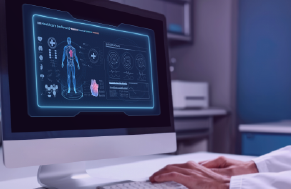
An EHR consolidates documentation, updates, and care plans into a single accessible record.

ehr for home health care

A. Nursing Care

Nurses manage wound care, vitals, chronic disease monitoring, medication lists, and risk assessments. Using EHR software for home health care, nurses can review earlier notes, chart visits in real time, and coordinate updates with therapy teams or supervising physicians.

B. Physical Therapy

Physical therapists track mobility, range of motion, gait patterns, and strength progression. An EMR for home health care helps PTs review previous sessions, adjust exercises, and ensure continuity across treatment cycles.

C. Occupational Therapy

OT services help patients regain independence in daily living, bathing, dressing, cooking, safety, and cognition. EHR systems enable therapists to record goals, assess performance, update functional scores, and collaborate with nursing and PT teams.

D. Speech Therapy

Supporting communication, cognitive-linguistic abilities, and swallowing, SLPs rely on accurate session documentation. EHR access ensures therapists can easily coordinate their work with broader clinical plans.

E. Personal Care and ADL Support

Home health aides capture daily observations and activities of daily living (ADLs). EHRs ensure these updates are structured, timely, and available to clinicians supervising the case.

F. Remote Monitoring and Chronic Care

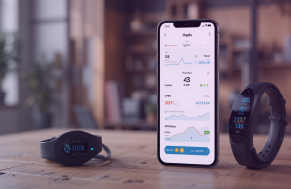
EHR integration with home monitoring devices, such as blood pressure cuffs, glucose monitors, and pulse oximeters, supports proactive care planning and early intervention workflows.

G. Medical Social Services

Social workers use EHRs to document psychosocial needs, connect patients with community resources, and collaborate with the entire care team to support holistic recovery.

II. Why Real-Time EHR Connectivity Matters in Home Health Monitoring

In many home health monitoring programs, data still moves through manual or batch-based workflows when EHR systems are not fully connected. Vitals, symptom updates, and device readings may be stored in spreadsheets or queued for delayed uploads rather than flowing directly into the patient record.

These workarounds slow response times. Alerts arrive late. In practice, that can mean delayed therapy adjustments, missed escalation windows, or follow-up calls driven by outdated information.

Care teams lose visibility into changes that matter in the moment. For patients receiving rehabilitation at home, that delay can limit timely adjustments to therapy plans or follow-up care.

Real-time EHR connectivity changes the operating model. Monitoring data, alerts, and follow-up actions land directly in the EHR for home health care, keeping records current and actionable.

As home health volume increases, real-time integration shifts from convenience to accuracy, safety, and continuity of care.

III. How Do EHR Systems Improve Patient Care Coordination?

ehr for home health care

Care coordination is one of the strongest advantages of using an EHR for home health care.

Rehabilitation requires synchronized updates across multiple clinical disciplines, each delivering care outside a centralized facility.

A. Real-Time Access to Patient Information

All clinicians, nurses, PTs, OTs, SLPs, and aides access the same updated patient record. This prevents communication gaps, inconsistent care plans, or duplicated assessments.

B. Faster, More Accurate Decision-Making

EHRs consolidate medication lists, vitals, assessments, orders, and therapy progress in one place. When clinicians have accurate information, they make safer and faster clinical decisions.

C. Reduction of Documentation Errors

Paper-based workflows often result in incomplete notes, missing assessments, and illegible handwriting. EHR systems centralize documentation and enforce required fields, resulting in more consistent charting.

D. Example From Practice

A home health agency that moved from paper charts to a centralized EHR reported more accurate documentation and smoother interdisciplinary communication. Therapy teams aligned more quickly, and nursing teams documented updates without delays.

Ready to Transform Your Home Health Care Practice?

Discover how implementing EHR can improve patient outcomes and streamline your operations.

IV. How Do EHR Systems Enhance Data Management?

Home health teams manage a high volume of data, including medication histories, therapy notes, vitals, ADLs, assessments, and progress summaries. EHRs give organizations a manageable, secure structure for this complexity.

A. Centralized and Structured Records

EHR systems unify all key data elements, including:

  • Progress notes
  • Therapy evaluations
  • Plan-of-care updates
  • Medication lists
  • Vitals and assessments
  • Discharge summaries
  • Physician orders

This consolidation improves accuracy and ensures nothing is overlooked.

B. Interoperability With Other Systems

Modern EHRs support interoperability with:

  • Hospital EHRs
  • Lab reporting systems
  • Pharmacy systems
  • Billing and revenue cycle software
  • Remote monitoring platforms

This integration improves transitions of care and reduces information silos.

C. Secure, Compliant Access

HIPAA requires strict controls over patient data. EHR systems enforce:

  • Role-based access
  • Encrypted storage
  • Secure transmission
  • Audit trails
  • Multi-factor authentication

This helps home health agencies protect PHI while enabling clinicians to access information during home visits securely.

V. How Do EHR Systems Support Regulatory Compliance?

Home health rehabilitation must meet extensive documentation standards, particularly under CMS and HIPAA rules. EHRs simplify compliance by enforcing structured workflows and complete documentation.

A. HIPAA Compliance and Data Protection

EHRs reduce risk by protecting patient information with technical controls that meet HIPAA requirements.

B. CMS Documentation Requirements

Home health agencies must meet documentation standards for:

  • OASIS assessments
  • Plan-of-care documentation
  • Therapy utilization
  • Certification and recertification
  • Visit frequency and justification

EHRs ensure required fields are completed and that documentation is consistent across providers.

C. Audit-Ready Reporting

CMS surveys and state inspections require accurate, complete, and accessible records. EHRs generate:

  • Visit summaries
  • Medication reports
  • Progress trends
  • Compliance dashboards
  • Outcome reports

This reduces administrative burden and improves audit readiness.

D. Example From Practice

A rehabilitation provider that implemented an EHR designed for home health reported fewer documentation gaps and significantly smoother survey preparation cycles. Automated report generation ensured that visit data, physician orders, and progress notes were complete and audit-ready.

Scheduling and follow-up are frequent pressure points in home health operations. When EHR integration is incomplete, agencies often rely on manual schedules or CSV-based updates that fall out of sync. Without bidirectional updates, visit changes may not reflect in the EHR, increasing administrative effort and the risk of missed or delayed care.

VI. Case Studies: Impact of EHR Adoption in Home Health Rehabilitation

A. Centralizing Multisite Home Health Operations

A home health agency managing multiple locations implemented a unified EHR system to replace siloed processes. Centralized documentation improved continuity of care, reduced duplicate charting, and improved communication across nursing and therapy teams.

B. Improving Therapy Workflows

A rehabilitation center integrating EHR capabilities into PT, OT, and speech workflows saw improvements in documentation accuracy, faster care plan updates, and more efficient interdisciplinary coordination.

C. Strengthening Compliance and Reducing Documentation Errors

A provider facing CMS documentation challenges adopted an EHR with HIPAA-aligned security and built-in compliance checks. As a result, documentation completeness improved, and audit preparation time decreased significantly.

VII. What Future Trends Will Shape EHR in Home Health Care?

While speculative projections cannot be presented as factual data, several technology trends are clearly influencing the next generation of EHR capabilities.

A. AI-Enabled Documentation Assistance

AI is increasingly used to summarize clinical notes, flag missing documentation, and assist clinicians with structured charting, reducing administrative workload and improving accuracy.

B. Telehealth-Integrated EHR Workflows

EHRs are now supporting:

  • Virtual visit documentation
  • Remote assessments
  • Shared care plans across telehealth platforms

This strengthens continuity of care when in-person visits decrease.

C. Greater Patient Engagement Through Portals

Patient portals continue to evolve with:

  • Access to care plans
  • Rehabilitation progress tracking
  • Secure messaging
  • Appointment management

This promotes better adherence and shared decision-making.

D. Wearable and Device Data Integration

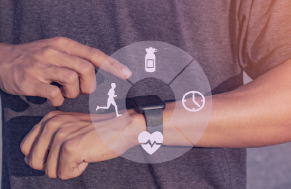
Modern EHRs increasingly incorporate data from wearables such as glucose sensors, heart rate monitors, or mobility devices, providing clinicians with richer context and more timely insights.

E. Ongoing Interoperability Improvements

FHIR standards are enabling smoother data exchange between hospitals, home health agencies, and outpatient rehabilitation providers, reducing clinical friction during transitions of care.

coma

EHR Is Now a Strategic Backbone of Home Health Rehabilitation

EHR adoption in home health rehabilitation is essential for improving care coordination, strengthening compliance, and enabling secure, accurate documentation

With the U.S. home healthcare market expanding and regulatory scrutiny intensifying, home health organizations need digital systems that support safe, efficient, and coordinated care delivery.

Verified national data shows that hospitals and outpatient providers have already undergone significant EHR transformation

Now, home health rehabilitation is following the same path. Providers that adopt modern EHR capabilities will be positioned to deliver more integrated, compliant, and outcomes-driven care, ultimately improving patient recovery at home.

What is an EHR in home health rehabilitation?

An EHR is a secure digital system used to store, update, and share patient information across nursing, therapy, and home health teams. It helps streamline documentation, improve care coordination, and maintain HIPAA-compliant records in rehabilitation delivered at home.

How does EHR improve care coordination for home health teams?

EHR systems provide real-time access to patient notes, medication lists, therapy updates, and assessments. This ensures that nurses, PTs, OTs, SLPs, aides, and physicians all work from the same updated care plan, reducing errors and improving continuity of care.

What is the difference between EHR and EMR for home health care?

An EMR holds digital clinical records for a single provider or discipline, while an EHR connects multiple providers involved in a patient’s care. For home health rehabilitation, EHRs are more effective because they centralize nursing, therapy, medication, vital signs, and progress data across the entire care team.

How does EHR help home health agencies meet CMS and HIPAA requirements?

EHRs use role-based access controls, encryption, audit logs, and secure documentation templates that comply with HIPAA and CMS standards. They ensure required fields are completed and generate audit-ready reports for surveys, OASIS reviews, and reimbursement compliance.

Why is EHR important for therapy services in home health rehab?

Physical, occupational, and speech therapists rely on accurate, up-to-date patient histories. With an EHR, therapists can document visits in real time, review past notes, track progress, adjust treatment plans, and share updates with the interdisciplinary team instantly.

Can EHR integrate with remote monitoring devices for home health patients?

Yes. Modern EHR systems integrate with home monitoring devices such as blood pressure cuffs, glucose meters, and pulse oximeters to provide real-time data that supports early intervention and ongoing chronic care management.

Does EHR help reduce documentation errors in home health care?

Yes. EHRs eliminate handwriting issues and missing paperwork by using standardized templates and required fields. This helps improve documentation accuracy, streamline audits, and ensure regulatory compliance.

Why do EHR integrations often struggle in home health care?

Home health workflows span multiple locations, disciplines, and systems. When integrations rely on manual uploads or one-way data flows, information becomes outdated quickly. Successful EHR integration aligns workflows, supports bidirectional updates, and ensures data moves reliably across care teams.

Your Questions Answered

An EHR is a secure digital system used to store, update, and share patient information across nursing, therapy, and home health teams. It helps streamline documentation, improve care coordination, and maintain HIPAA-compliant records in rehabilitation delivered at home.

EHR systems provide real-time access to patient notes, medication lists, therapy updates, and assessments. This ensures that nurses, PTs, OTs, SLPs, aides, and physicians all work from the same updated care plan, reducing errors and improving continuity of care.

An EMR holds digital clinical records for a single provider or discipline, while an EHR connects multiple providers involved in a patient’s care. For home health rehabilitation, EHRs are more effective because they centralize nursing, therapy, medication, vital signs, and progress data across the entire care team.

EHRs use role-based access controls, encryption, audit logs, and secure documentation templates that comply with HIPAA and CMS standards. They ensure required fields are completed and generate audit-ready reports for surveys, OASIS reviews, and reimbursement compliance.

Physical, occupational, and speech therapists rely on accurate, up-to-date patient histories. With an EHR, therapists can document visits in real time, review past notes, track progress, adjust treatment plans, and share updates with the interdisciplinary team instantly.

Yes. Modern EHR systems integrate with home monitoring devices such as blood pressure cuffs, glucose meters, and pulse oximeters to provide real-time data that supports early intervention and ongoing chronic care management.

Yes. EHRs eliminate handwriting issues and missing paperwork by using standardized templates and required fields. This helps improve documentation accuracy, streamline audits, and ensure regulatory compliance.

Home health workflows span multiple locations, disciplines, and systems. When integrations rely on manual uploads or one-way data flows, information becomes outdated quickly. Successful EHR integration aligns workflows, supports bidirectional updates, and ensures data moves reliably across care teams.

Pravin Uttarwar

Pravin Uttarwar

CTO, Mindbowser

Connect Now

Pravin is an MIT alumnus and healthcare technology leader with over 15+ years of experience in building FHIR-compliant systems, AI-driven platforms, and complex EHR integrations. 

As Co-founder and CTO at Mindbowser, he has led 100+ healthcare product builds, helping hospitals and digital health startups modernize care delivery and interoperability. A serial entrepreneur and community builder, Pravin is passionate about advancing digital health innovation.

Share This Blog

Read More Similar Blogs

Let’s Transform
Healthcare,
Together.

Partner with us to design, build, and scale digital solutions that drive better outcomes.

Location

5900 Balcones Dr, Ste 100-7286, Austin, TX 78731, United States

Contact form