A venture-backed AI health company needed its documentation and scheduling agents to read and write inside a live Cerner Millennium instance before hospitals would commit to a pilot. We built the connector layer that gets both agents there, covering encounter notes, patient search, appointment booking, insurance lookups, and the practitioner directory.
Talk to UsA venture-backed AI health company building agents for hospital operations: clinical documentation, patient scheduling, triage, and billing.
A Cerner Millennium connector layer linking two AI agents, clinical documentation and patient scheduling, to encounter, patient, appointment, insurance, and practitioner-directory endpoints.
Node.js, Cerner Millennium REST APIs
Fixed-scope engagement, signed January 2026, approximately 95% complete by March 2026
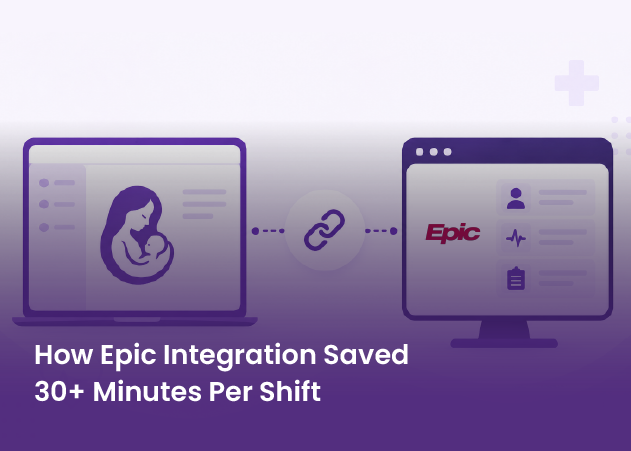
A follow-on Epic connector engagement was commissioned after this project closed.
Hospitals don't commit to a pilot until an integration is proven against their own EHR. Every agent that touches patient data needs a working, EHR-specific connection first, or clinical staff won't engage.
Cerner Millennium is one of the two dominant hospital EHR systems. Proving live access against it, not a generic sandbox, decides whether a hospital moves into pilot.
Cerner Millennium's REST APIs span patient records, appointments, encounter notes, and insurance, each with its own data model and access pattern.
The documentation agent needs encounter and note access. The scheduling agent needs patient search and appointment write access. Neither needs the other's surface.
Connecting each agent to Cerner Millennium on its own means maintaining two sets of EHR-specific edge cases instead of one shared connector layer.
A Node.js connector layer built directly against Cerner Millennium's REST APIs.
The AI Scribe connector gives the documentation agent encounter and clinical document reference access, so it can pull the right patient context before generating a note and file that note back against the correct encounter in Cerner Millennium.
The AI Receptionist connector gives the scheduling agent patient search and appointment write access, so it can look up a patient and confirm an appointment directly against the hospital's Cerner Millennium instance.
Insurance and coverage resource endpoints support intake and eligibility checks for both agents, so neither the documentation nor the scheduling agent needs a separate path to coverage data.
Practitioner directory integration lets both agents look up the correct provider record and route requests to the right person, rather than each maintaining its own provider lookup.
Not just against a generic sandbox. Talk to us about what EHR-specific connector work looks like for your product.
Partner with us to design, build, and scale digital solutions that drive better outcomes.
Global Tech Teams LLC, 525 Washington Blvd, Industrious at Newport Tower, Jersey City, NJ 07310, United States.
Let’s discuss your goals, workflows, and next steps in a focused consultation call.
 Schedule a Call














 BLOGS
BLOGS  NEWSROOM
  CASE STUDIES
  WEBINARS
  PODCASTS
  ASSET HUB
  EVENT CALENDAR