

 BLOGS
BLOGS  NEWSROOM
  CASE STUDIES
  WEBINARS
  PODCASTS
  ASSET HUB
  EVENT CALENDAR


















Imagine a world where 70% of critical patient data is inaccessible to healthcare providers when they need it most. This is the reality that many hospitals and clinics have faced due to fragmented data systems and outdated health IT infrastructure. Enter the Health IT (HTI) Final Rule—a transformative regulation designed to turn the tide.
Tailored to minimize the barriers that have long plagued healthcare data sharing, this rule sets new standards for EHRs and patient data access. The HTI-1 Final Rule aims to enhance patient outcomes. But what exactly does this rule entail, and why is it being called a game-changer for healthcare? Let’s look into the details and discover the impact it’s set to make.
What is the HTI-1 Final Rule?
The HTI-1 Final Rule is the set of rules and standards aimed at enhancing the landscape of healthcare technology, particularly focusing on how EHRs are used and shared. This rule ensures EHR systems meet certification standards to verify they work well, are secure, and support better patient care.
The rule is designed to help improve overall public health and address healthcare disparities that affect different racial and ethnic groups. It makes healthcare more accessible and fair for everyone, especially those who have been underserved.
Enhancing Healthcare with Certified AI Decision Support
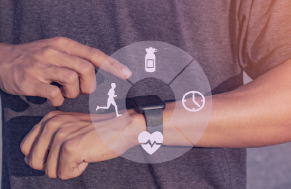
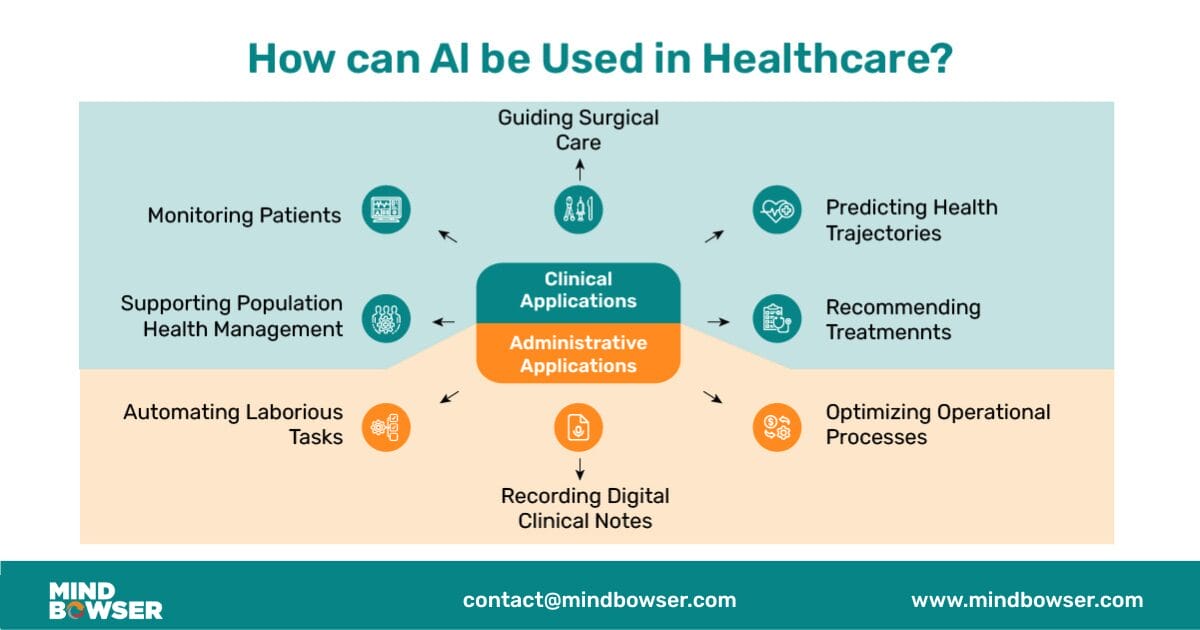
AI is transforming healthcare by providing advanced tools for monitoring patients, predicting health outcomes, and optimizing the efficiency of healthcare operations. AI-driven systems can track patients’ vital signs, forecast potential health issues before they arise, and streamline processes within healthcare facilities, ultimately leading to better patient care and reduced costs.
However, as AI becomes more integrated into healthcare, it’s important to ensure that these systems are transparent, trustworthy, and protected. This is where the new Decision Support Certification Criteria come into play. These criteria are designed to set strong standards for AI-driven decision support tools, ensuring they are reliable and fair.
The new certification criteria focus on improving transparency by clarifying how AI systems reach their conclusions. This clarity enhances trust among healthcare providers and patients, who can be confident in the AI’s recommendations. By eliminating potential risks, such as biases in AI algorithms, the criteria aim to advance health equity, ensuring AI benefits all patients equally, regardless of their background or circumstances.
Compliance with HTI-1 Ruling Related to Revoking Access
The HTI-1 Final Rule introduces critical guidelines for managing access to EHR information, particularly regarding revoking access. Compliance with these new regulations is important for maintaining the security and integrity of patient data.
Under the HTI-1 ruling, healthcare providers and IT developers must establish clear protocols for revoking access to health information, especially when it is no longer appropriate or authorized. This could include situations where a patient changes healthcare providers, an employee leaves the organization, or a third-party application no longer meets security standards.
The rule creates the importance of promptly revoking access to prevent unauthorized use or disclosure of sensitive health information. Compliance requires these revocation processes to be efficient and transparent, ensuring that patient data remains protected at all times.
Moreover, the HTI-1 rule highlights the need for continuous monitoring and auditing of access permissions. This means businesses must regularly review who has access to what information and ensure access is aligned with the most current authorization status.
By adhering to these compliance requirements, healthcare organizations can protect patient privacy, maintain trust, and reduce the risk of data breaches, all while ensuring they meet the standards forth by the HTI-1 ruling.
Ready to Ensure Your Systems Meet
the HTI-1 Final Rule?
Benefits of HTI-1 Final Rule
The HTI-1 Final Rule offers different significant benefits designed to improve the efficiency and effectiveness of health IT systems. Here’s how it can positively impact the healthcare landscape:
🔹 Timely Utilization of New Standards
The rule enables the Certification Program and health IT developers to adopt new and updated standards promptly. This ensures that healthcare technology remains current and can meet emerging needs without compromising.
🔹 Tailored System Updates
It allows healthcare providers to collaborate closely with health IT developers to customize system updates. The rule enables flexibility that ensures updates are implemented per each business’s unique needs, improving user experience and functionality.
🔹 Alignment with Other Programs
The rules reduce the potential confusion associated with tracking the use of different editions of certified health IT. This clarity supports users by establishing timelines for when specific criteria or standards must be met, making it easier to stay compliant.
🔹 Simplified Certification Tracking
The rule reduces the potential confusion associated with tracking the use of different editions of certified health IT. This clarity supports users by establishing timelines for when specific criteria or standards must be met, making it easier to stay compliant.
🔹 Ease of Reference for Programs
The rule facilitates easier referencing for federal, state, local, or tribal programs that want to align their requirements with certified health IT standards and implementation specifications.
🔹 Timely Technology Updates
Finally, the HTI-1 rule ensures that customers receive timely technology updates. This ongoing support helps healthcare organizations maintain advanced systems, leading to better patient care and more efficient operations.
How Does Mindbowser Help You with the HTI-1 Final Rule?
The HTI-1 Final Rule represents a pivotal step toward advancing healthcare technology and ensuring patient data is secure, accessible, and equitable. By setting standards for certifications, improving transparency in AI-driven decision support, and streamlining the revocation of access to sensitive data, this rule aims to create a more integrated and trustworthy healthcare system.
The benefits extend beyond compliance, offering healthcare providers the tools to update with emerging standards, customize system changes to their unique needs, and ensure consistent alignment with federal and state regulations.
Navigating the complexities of the HTI-1 Final Rule can be challenging, but that’s where Mindbowser comes in. With our deep expertise in healthcare technology and compliance, we help organizations seamlessly integrate the new certification criteria, ensuring that your systems are compliant and optimized for the best possible outcomes. Whether you need assistance updating your health IT systems, implementing AI solutions, or managing data security, Mindbowser provides the support and guidance you need to thrive in this new regulatory landscape. Partner with us to stay ahead of the curve and fully leverage the opportunities presented by the HTI-1 Final Rule.
The HTI-1 Final Rule is a regulation that establishes certification standards for health IT systems, ensuring they meet the requirements for secure, accessible, and efficient patient data sharing, ultimately improving healthcare outcomes.
The HTI-1 Final Rule introduces new certification criteria for AI-driven decision support tools in healthcare, focusing on transparency, fairness, and accountability to enhance patient care while reducing biases and risks.
Key benefits include improved access to certified health IT systems, better data security, streamlined compliance processes, and the ability to update technology efficiently to meet new standards and regulations.
Compliance involves meeting certification standards, implementing AI transparency guidelines, and establishing protocols for revoking access to Electronic Health Records (EHR) in specific situations. Regular audits and updates to systems are also required.