Chronic Care Management: Improve ROI & Outcomes
Chronic Care Management (CCM)

Chronic Care Management: Improve ROI & Outcomes

Abhinav Mohite
Healthcare Business Analyst & SME
Table of Content

TL;DR

Chronic Care Management (CCM) is vital for improving patient outcomes and driving significant ROI for healthcare organizations. By integrating advanced technologies like predictive analytics, AI, and telehealth, CCM not only enhances patient engagement but also reduces healthcare costs. This blog delves into the numerous benefits of CCM, backed by real-world case studies, actionable insights, and strategies to leverage technology and maximize the impact of chronic disease management.

Chronic diseases such as diabetes, hypertension, and heart disease are among the most prevalent health conditions worldwide, affecting millions of people across all demographics. The growing number of individuals living with multiple chronic conditions has made effective management increasingly crucial. Chronic Care Management (CCM) is an approach designed to address this challenge, providing continuous, comprehensive care to patients with chronic conditions.

In recent years, the healthcare landscape has shifted from reactive care to proactive, value-based models. This change, driven by the increasing adoption of value-based care, is not just about treating patients when they are sick, but also about preventing hospital readmissions, reducing complications, and enhancing patients’ quality of life. CCM plays a pivotal role in this transformation, not only improving health outcomes but also contributing to a more sustainable and cost-effective healthcare system.

This blog will explore the substantial benefits of Chronic Care Management, highlighting how it can help healthcare organizations deliver better care, reduce costs, and improve overall ROI. From seamless technology integration to compliance automation, the following sections provide an in-depth look at why CCM is becoming an essential strategy for hospitals and health systems today.

I. How Chronic Care Management Improves Patient Outcomes

Chronic Care Management (CCM) goes beyond simply treating patients; it focuses on proactive care that improves health outcomes and enhances the overall quality of life for individuals living with chronic conditions. By integrating technology, early intervention, and multi-disciplinary care teams, CCM offers patients a more comprehensive and personalized approach to managing their conditions.

A. Early Intervention and Prevention

1. Preventative Care and Long-Term Health Outcomes

One of the key advantages of CCM is its emphasis on prevention. By actively monitoring patients and identifying potential risks before they escalate, healthcare providers can intervene earlier and avoid more costly treatments. Studies show that CCM reduces hospital readmission rates by up to 20% by focusing on preventive measures like regular check-ins, medication adherence, and lifestyle modifications.

2. Statistical Support

Research shows that Chronic Care Management programs, especially those with early intervention strategies, reduce emergency room visits and hospitalizations by providing continuous monitoring and managing exacerbations before they become critical. This shift from reactive to proactive care significantly improves long-term patient outcomes.

B. Coordinated, Multi-Disciplinary Care

1. Integration of Various Health Services

Chronic Care Management requires a multi-disciplinary approach. This means integrating services such as primary care, behavioral health, physical therapy, and nutritional counseling into a cohesive care plan. By ensuring that all healthcare providers work together, CCM eliminates fragmentation and improves care coordination.

2. Real-Time Data Tracking for Better Decision-Making

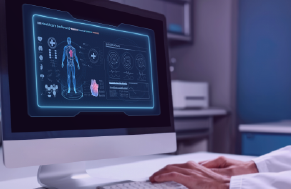
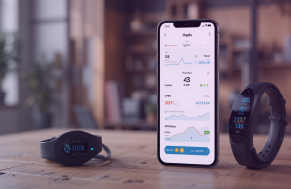
Real-time monitoring tools, such as wearable devices, AI-driven health apps, and telemedicine solutions, enable continuous tracking of a patient’s health status. This integration of data helps clinicians make informed, timely decisions about a patient’s care.

Case Study:

A provider of telehealth services implemented a robust CCM program that incorporated continuous care models through remote consultations. This not only improved patient satisfaction but also enabled better management of chronic diseases, ensuring patients received timely interventions without having to visit a healthcare facility in person.

C. Improved Chronic Disease Management

1. Managing Multiple Conditions Concurrently

One of the major challenges in managing chronic conditions is the simultaneous management of multiple diseases. With CCM, healthcare teams can create personalized care plans that address each patient’s unique needs. This is particularly beneficial for patients with co-occurring conditions like diabetes and hypertension, which often require simultaneous management.

2. Personalized Care Plans Based on Data

Using advanced data analytics and patient history, CCM enables the creation of tailored care plans that address the specific needs of each patient. By using data from electronic health records (EHRs), wearables, and remote patient monitoring (RPM), providers can dynamically adjust care plans to ensure optimal health outcomes.

Real-World Example:

One healthcare provider leveraged CarePlan AI to streamline patient onboarding and standardize interventions. This led to a 19% increase in compliant claims and faster month-end reconciliation. By standardizing processes and leveraging AI for care planning, it ensured a consistent approach to managing chronic conditions, ultimately improving patient care and reducing administrative burden.

II. The Financial Impact: How CCM Delivers ROI and Cost Savings

Chronic Care Management (CCM) not only benefits patient outcomes but also provides significant financial advantages to healthcare organizations. By focusing on early intervention, reducing hospital readmissions, and optimizing workflows, CCM helps hospitals and clinics save money while increasing efficiency. This section explores how CCM programs drive return on investment (ROI) and contribute to overall cost savings.

A. Reducing Readmissions and Healthcare Costs

1. Cost Savings Through Reduced Hospital Readmissions

Readmissions are a major cost driver in healthcare. According to studies, hospitals that implement CCM programs reduce readmission rates by up to 20%. By addressing issues early and providing continuous care, CCM helps keep patients out of the hospital, lowering the associated costs of emergency room visits, prolonged hospital stays, and additional treatments.

Case Study

A leading rehabilitation provider specializing in chronic cardiac, pulmonary, vascular, and post-COVID conditions implemented a mobile app for iOS and Android to track heart rate and exercise adherence. By integrating this technology into their chronic care management workflows, the organization reduced inpatient days by 250,000+, resulting in a significant decrease in overall healthcare costs.

Statistical Insights

Studies show that Chronic Care Management programs, especially those that use remote patient monitoring (RPM), can lower total care costs by reducing hospital admissions. For example, hospitals implementing CCM have seen a 10-20% reduction in readmission rates, which directly translates into reduced costs for healthcare systems.

B. Efficiency Gains from Workflow Automation

1. Automation in Billing, Compliance, and Patient Management

One of the most significant benefits of CCM is the ability to automate critical workflows. By using AI and automated tools for billing, compliance tracking, and patient management, healthcare organizations can save significant time and reduce administrative costs. Automation ensures that tasks like CPT code tracking, appointment scheduling, and follow-up reminders are handled efficiently, allowing healthcare staff to focus on patient care rather than paperwork.

Case Study:

For a healthcare provider integrated with Epic EHR using HL7/FHIR APIs to automate the collection of patient financial data. This real-time automation reduced manual data entry by 90% and sped up the approval process for financial assistance. By streamlining these processes, we saved both time and money while improving the accuracy of patient data and reducing the risk of errors.

Industry Data on Automation Benefits

Healthcare organizations that implement CCM with automated workflows report up to a 40% reduction in labor costs. Automation also decreases human error, which is crucial for compliance in billing and clinical documentation. By streamlining administrative tasks, healthcare organizations can allocate more resources to improving patient care and outcomes.

C. Long-Term Financial Benefits and Improved Payment Models

1. How Value-Based Care Models Are Driving Higher Reimbursement Rates

As the healthcare industry shifts towards value-based care (VBC), hospitals are increasingly being reimbursed based on patient outcomes rather than the volume of services provided. CCM aligns perfectly with VBC by focusing on reducing hospital admissions, improving patient health, and enhancing care coordination. These outcomes lead to better reimbursement rates and a stronger financial position for healthcare organizations.

Case Study:

A healthcare organization integrated AI-driven wearable technology with patient monitoring, resulting in a 45% improvement in patient engagement. This approach led to a 14% increase in average reimbursement, as better patient management translated into more compliant claims and fewer denials. By integrating predictive analytics and continuous monitoring, the organization maximized reimbursement while reducing administrative costs.

Drive Better Outcomes with Smarter Chronic Care Management

Leverage AI, automation, and telehealth to streamline CCM workflows, reduce readmissions, and boost ROI—so your teams can focus on improving patient health, not managing paperwork.

III. Leveraging Technology to Maximize the Benefits of CCM

Technology is at the heart of successful Chronic Care Management (CCM). By leveraging advanced tools such as electronic health records (EHRs), remote patient monitoring (RPM), artificial intelligence (AI), and telehealth solutions, healthcare organizations can significantly improve the efficiency and effectiveness of their chronic care programs. This section explores the role of technology in CCM, emphasizing how it enhances patient care and helps healthcare organizations optimize their operations.

A. EHR Integration and Interoperability

  1. API-First and FHIR-Native Solutions

One of the most pressing challenges in healthcare today is the interoperability of various EHR systems. Many healthcare organizations struggle with data silos that prevent seamless care coordination. By adopting API-first and FHIR-native solutions, organizations can ensure smooth data flow across EHR platforms, enabling healthcare providers to access complete, up-to-date patient information when and where they need it. This integration is critical for improving patient outcomes and ensuring that care teams use the most accurate and comprehensive data available.

Real-Time Data for Informed Decision-Making

The ability to access real-time patient data is a game-changer for Chronic Care Management. By integrating RPM tools and wearables with EHR systems, care teams can track patient progress in real time, enabling more proactive, informed decision-making. For example, when a patient’s vital signs change, the care team is immediately notified, enabling timely interventions that can prevent complications.

Case Study: 

We helped a healthcare organization implement HealthConnect CoPilot, which seamlessly integrated with major EHR systems like Epic and Cerner. This integration enabled the care team to access patient data instantly, improving care coordination and reducing the risk of errors caused by incomplete or outdated information. As a result, the organization reduced delays in care coordination and improved patient satisfaction.

B. Predictive Analytics and AI-Driven Insights

  1. AI Tools for Risk Prediction and Patient Monitoring

Predictive analytics and AI are transforming the way chronic conditions are managed. With AI-driven tools, healthcare providers can predict which patients are at risk of deterioration or readmission, allowing for earlier interventions. AI algorithms can analyze a patient’s medical history, lifestyle data, and current health metrics to forecast future risks, enabling care teams to act proactively.

  1. Real-Time Monitoring for Continuous Care

Remote Patient Monitoring (RPM) tools, integrated with AI, enable continuous patient management outside the traditional clinical setting. These tools collect vital data from patients’ wearables or home devices and send it to healthcare providers in real time. This ongoing data stream allows care teams to adjust care plans as needed, ensuring that chronic conditions are managed effectively and preventing potential complications.

C. Telehealth and Remote Monitoring for Continuous Care

  1. Telehealth: Expanding Access to Care

Telehealth has become an essential tool for managing chronic conditions, especially for patients who have difficulty visiting healthcare facilities regularly. With telehealth platforms, patients can receive consultations, follow-up care, and health education remotely, improving access to care and ensuring continuous management of chronic conditions. This is especially beneficial for patients living in rural areas or those with mobility issues.

  1. Remote Monitoring for Real-Time Patient Data

In addition to telehealth, remote monitoring allows for continuous tracking of a patient’s health outside of office visits. Wearable devices, such as blood pressure monitors, glucose trackers, and heart rate monitors, feed real-time data directly to healthcare providers. This continuous flow of information enables better management of chronic conditions and ensures that interventions are delivered before conditions worsen.

Case Study:

A telehealth platform integrated remote patient monitoring and telehealth into its CCM offering. The solution enabled patients to receive regular check-ins from healthcare providers without leaving their homes, improving adherence to care plans. The platform also enabled real-time monitoring of chronic conditions, ensuring patients remained connected to their care teams and reducing the need for emergency visits.

IV. How Mindbowser Can Help

Mindbowser offers a range of innovative solutions designed to optimize Chronic Care Management (CCM) by integrating advanced technologies and providing actionable insights. We help healthcare organizations implement seamless, end-to-end solutions that improve patient outcomes, streamline workflows, and deliver significant financial returns. Here’s how Mindbowser can support your CCM strategy:

A. Seamless EHR and API Integrations

Mindbowser specializes in FHIR-native, API-first integrations that enable healthcare organizations to connect disparate EHR systems like Epic, Cerner, and AthenaHealth. This ensures smooth data exchange and enables real-time access to comprehensive patient information, eliminating data silos and improving care coordination. With our solutions, healthcare providers can access patient data from multiple sources without disruption, leading to more efficient decision-making and improved patient care.

By streamlining EHR integration, Mindbowser helps you avoid common interoperability issues and ensures that your care team has the right information at the right time. Our seamless integrations enable a unified, holistic view of each patient’s health, improving care quality and reducing the risk of errors.

B. AI-Powered Chronic Care Management Solutions

Mindbowser’s AI-powered tools, such as AI Medical Summary and RPMCheck AI, automate key aspects of CCM, such as data entry, risk prediction, and patient monitoring. These tools are designed to provide predictive insights, enabling your team to identify high-risk patients and intervene before complications arise. By leveraging AI, healthcare providers can reduce administrative workloads, improve compliance, and focus on delivering better patient care.

Our solutions integrate AI to enhance decision-making by analyzing vast amounts of patient data, identifying patterns, and providing actionable insights. This allows your care teams to optimize care plans, improve patient engagement, and reduce hospital readmissions—all while improving operational efficiency.

C. Tailored Telehealth Solutions for Chronic Care

Telehealth is a crucial component of modern CCM programs, offering flexibility and convenience for both patients and providers. Mindbowser’s HIPAA-compliant telehealth platform seamlessly integrates with CCM workflows, enabling healthcare providers to deliver continuous care without in-person visits. Our telehealth solutions support virtual consultations, remote monitoring, and patient education, enabling chronic condition management outside the clinic.

With our telehealth platform, patients can access care from the comfort of their homes, reducing barriers to care, especially for those in rural or underserved areas. Additionally, our telehealth solutions ensure patients remain connected to their care teams, enabling real-time monitoring and follow-up care, which is essential for managing chronic diseases effectively.

coma

Conclusion

Chronic Care Management (CCM) is a crucial strategy for improving patient outcomes, reducing readmissions, and optimizing healthcare operations. By leveraging technology such as EHR integration, AI-driven insights, and telehealth solutions, healthcare organizations can deliver more proactive, coordinated care. The financial benefits are clear—CCM helps reduce costs, maximize ROI, and enhance reimbursement rates. As healthcare systems move toward value-based care, adopting effective CCM programs will be key to providing high-quality care while ensuring long-term sustainability.

How can AI improve patient engagement in Chronic Care Management?

AI can improve patient engagement by providing personalized care plans, sending timely reminders, and predicting patient needs. Tools such as AI-driven medical summaries and predictive analytics help healthcare teams proactively manage patient care, improving adherence to treatment plans and reducing the risk of complications.

What is the ROI of implementing a CCM program for mid-market hospitals?

Implementing a CCM program can yield significant ROI, with hospitals seeing up to a 25% increase in reimbursements due to improved care coordination and reduced readmissions. Additionally, automation of billing and compliance processes can lead to cost savings and improved operational efficiency.

How can telehealth be integrated into Chronic Care Management?

Telehealth can be integrated into CCM by enabling virtual consultations, ongoing patient monitoring, and remote care coordination. This approach allows patients to manage their chronic conditions from home, improving access to care and reducing the need for in-person visits, particularly for rural or underserved populations.

What role does EHR interoperability play in effective CCM?

EHR interoperability is essential for seamless data exchange between healthcare systems, ensuring that care teams have access to accurate, up-to-date patient information. This improves decision-making, reduces errors, and enhances care coordination, all of which are crucial for effective Chronic Care Management.

Your Questions Answered

AI can improve patient engagement by providing personalized care plans, sending timely reminders, and predicting patient needs. Tools such as AI-driven medical summaries and predictive analytics help healthcare teams proactively manage patient care, improving adherence to treatment plans and reducing the risk of complications.

Implementing a CCM program can yield significant ROI, with hospitals seeing up to a 25% increase in reimbursements due to improved care coordination and reduced readmissions. Additionally, automation of billing and compliance processes can lead to cost savings and improved operational efficiency.

Telehealth can be integrated into CCM by enabling virtual consultations, ongoing patient monitoring, and remote care coordination. This approach allows patients to manage their chronic conditions from home, improving access to care and reducing the need for in-person visits, particularly for rural or underserved populations.

EHR interoperability is essential for seamless data exchange between healthcare systems, ensuring that care teams have access to accurate, up-to-date patient information. This improves decision-making, reduces errors, and enhances care coordination, all of which are crucial for effective Chronic Care Management.

Abhinav Mohite

Abhinav Mohite

Healthcare Business Analyst & SME

Connect Now

Abhinav has 6+ years of experience in the US healthcare domain with a strong background in healthcare data interoperability, including HL7, FHIR, and SMART on FHIR standards. He has worked extensively on provider workflows, revenue cycle management, and care coordination processes. With a deep understanding of the software development life cycle (SDLC), Abhinav has been instrumental in shaping technology solutions that enhance efficiency, compliance, and interoperability across healthcare systems.

Share This Blog

Read More Similar Blogs

Let’s Transform
Healthcare,
Together.

Partner with us to design, build, and scale digital solutions that drive better outcomes.

Location

5900 Balcones Dr, Ste 100-7286, Austin, TX 78731, United States

Contact form