










 BLOGS
BLOGS  NEWSROOM
  CASE STUDIES
  WEBINARS
  PODCASTS
  ASSET HUB
  EVENT CALENDAR




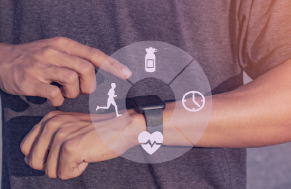
















Today, mobile health apps have become increasingly popular among healthcare professionals and patients alike. The apps provide a range of benefits, such as improved patient engagement, remote monitoring, and personalized care. Mobile health apps provide healthcare services, track health data, and offer medical advice, among others.
The FDA regulates medical devices to ensure their safety and effectiveness, which includes AI-powered software used for medical purposes. With the growing adoption of mobile health apps, it is crucial to ensure these applications comply with FDA regulatory standards. Adhering to FDA guidelines is essential to guarantee that mobile health apps are safe and effective for patients.
We will explore FDA compliance for mobile health apps and what app developers need to know to ensure compliance. We will discuss the different types of mobile health apps and how they are regulated by the FDA. Additionally, we will examine the challenges app developers face in achieving compliance and offer tips for overcoming these challenges.
Before diving into the details of FDA compliance for mobile health apps, it’s essential to understand what FDA compliance is.
What is FDA Compliance?
The FDA is a regulatory authority responsible for ensuring the safety, efficacy, and security of human and veterinary drugs, medical devices, food, cosmetics, and other products. FDA compliance refers to the set of regulations and guidelines companies must adhere to in order to ensure their products are safe and effective for customers. The FDA clarifies what software is considered a medical device and what is not. They do not regulate low-risk functions like appointment reminders or general wellness apps.
For mobile health apps, FDA compliance means ensuring that the app meets the regulatory standards set by FDA to ensure the safety and effectiveness of the app for patients. The standards include pre-market review processes, post-market surveillance requirements, and compliance with other regulations, such as HIPAA and GDPR. By prioritizing FDA compliance, app developers can ensure safe and effective care to patients.
Ensure that Your Healthcare System or Product Adheres to Compliance Standards
Challenges in Achieving FDA Compliance for Mobile Health Apps
Achieving FDA compliance for mobile health apps can be challenging for app developers, but it’s essential to ensure that these apps meet regulatory standards for safety and effectiveness. Here are some common challenges app developers face when achieving FDA compliance for mobile health apps:

1. Lack of Understanding
Understanding regulatory requirements can be challenging for app developers, especially those new to the industry. This can lead to confusion and errors in the pre-market review process or post-market.
2. Limited Resources
Developing a mobile health app that meets FDA compliance standards requires significant resources, including time, money, and personnel. Many app developers may lack the necessary resources to meet the requirements.
3. Changing Regulatory Landscape
The mobile health apps regulatory landscape is constantly evolving, and keeping up can be challenging for app developers. For example, the FDA recently released its guidance document on artificial intelligence and machine learning in medical devices.
To Overcome These Challenges, App Developers Can Take the Following Steps:
💡 Collaborate with Regulatory Experts
Working with regulatory experts with experience with FDA compliance can help app developers better understand regulatory requirements and navigate the pre-market review process and post-market surveillance.
💡 Use FDA Guidance Documents
The FDA has issued several guidance documents for mobile health apps that can help app developers understand the regulatory requirements and comply with them.
💡 Conduct Rigorous Testing
Rigorous testing can help app developers identify any potential safety issues before submitting the app for FDA review, which can help streamline the premarket review process.
Conclusion
FDA compliance is critical for mobile health apps as it ensures their safety, effectiveness, and reliability for patients and healthcare professionals. FDA compliance can be challenging for app developers, given complex regulatory requirements and a constantly evolving landscape.
However, by collaborating with industry experts, using FDA guidance documents, and conducting rigorous testing, app developers can overcome these challenges and make sure that their apps meet the necessary regulatory standards. It is essential to prioritize FDA compliance to ensure that mobile health apps provide high-quality care to patients, and app developers must continue to prioritize safety and efficacy to ensure the success of these apps in the healthcare industry.
Frequently Asked Questions
Not all mobile apps need FDA approval. The FDA regulates apps that function as medical devices, meaning they are intended to diagnose, treat, or cure a medical condition. However, apps for general wellness tracking or appointment scheduling typically don’t require FDA approval.
Yes, software as a medical device (SaMD) may require FDA approval depending on the risk it poses to patients. The FDA uses a risk-based approach, so high-risk SaMDs that significantly impact health decisions need approval, while lower-risk tools like appointment schedulers likely wouldn’t. The FDA offers resources to help developers determine if their software qualifies as a medical device and the approval process it might require.
FDA approval is a stricter designation than FDA compliance. FDA approved medical devices have gone through a rigorous testing process to ensure safety and effectiveness for their intended use. FDA compliance, on the other hand, indicates a product meets general safety standards and doesn’t necessarily guarantee effectiveness for a specific medical purpose. Think of approval as a thumbs-up for both safety and efficacy, while compliance is just a green light for safety.
Mobile app compliance refers to meeting the FDA’s guidelines and regulations to ensure that a mobile health app is safe and effective for use. This involves adhering to standards for device functionality, data security, and patient privacy.
The FDA mandates oversight for mobile health apps that pose significant risk to patients, such as those used for diagnosing or treating serious conditions. Apps involved in high-risk procedures or those integrating with medical devices are often subject to strict regulations.
Mobile health apps are classified into three categories: Class I (low risk), Class II (moderate risk), and Class III (high risk). Class I apps usually require minimal regulatory oversight, Class II apps need additional controls, and Class III apps, which have the highest risk, require the most stringent regulatory procedures.