Benefits of EHR Integrated Clinical Decision Support Systems for Hospitals
Digital Health

Benefits of EHR Integrated Clinical Decision Support Systems for Hospitals

Arun Badole
Head of Engineering
TL;DR

EHR clinical decision support helps clinicians make safer, faster decisions by delivering real-time alerts, recommendations, and patient insights directly within the electronic health record. When properly integrated into clinical workflows, it improves patient safety, operational efficiency, and value-based care performance.


What happens when clinicians must make treatment decisions without immediate access to the right clinical insights?

Healthcare systems generate enormous volumes of patient data, yet much of it remains difficult to interpret during the clinical workflow. EHR clinical decision support addresses this challenge by embedding evidence-based guidance directly into the electronic health record.
By combining patient data with intelligent alerts, recommendations, and risk indicators, clinical decision support in EHR systems helps clinicians make safer, faster, and more consistent care decisions.

I. What Is EHR-Integrated Clinical Decision Support?

A. EHR Overview: Digital Patient Records and Workflow Backbone

Electronic Health Records serve as the operational foundation of modern healthcare delivery. They store patient histories, medication lists, laboratory results, imaging data, care plans, and clinical documentation within a single digital platform.

However, the EHR is far more than a digital archive. It functions as the primary workflow environment for clinicians. Physicians, nurses, pharmacists, and care coordinators rely on the EHR throughout the patient journey, from initial intake and diagnosis to treatment planning and discharge.

This central role makes the EHR the ideal environment for EHR clinical decision support.

When decision support capabilities are embedded into the EHR, the platform begins analyzing patient data in real time. Medication orders can be checked against allergies, abnormal lab values can trigger alerts, and risk indicators can surface for patients who require closer monitoring.

For healthcare leaders, this changes the EHR’s role. Instead of acting only as a documentation tool, the system becomes a clinical intelligence platform capable of supporting real-time care decisions.

Because clinicians already operate within the EHR workflow, integrating clinical decision support system EHR capabilities ensures that insights appear at the exact moment decisions are made. This eliminates the need for clinicians to consult external tools or manually interpret fragmented patient data.

The result is a unified environment where EHR and clinical decision support work together to strengthen clinical workflows and improve care delivery.

B. Clinical Decision Support: Intelligence at the Point of Care

Clinical Decision Support (CDS) refers to digital tools that provide clinicians with evidence-based guidance during care delivery.

Within an EHR clinical decision support environment, these tools analyze patient data and present actionable insights while clinicians are documenting or ordering care. The goal is not to replace clinical judgment, but to enhance it by surfacing relevant information at the moment decisions are made.

Common forms of clinical decision support in EHR systems include:

  1. Medication safety alerts
    These alerts identify potential drug interactions, allergies, or dosing issues before medication orders are finalized. By flagging risks early, the system helps prevent medication-related adverse events.
  2. Preventive care reminders
    CDS tools can prompt clinicians to recommend screenings, vaccinations, or follow-up tests based on the patient’s age, medical history, and clinical guidelines.
  3. Evidence-based treatment suggestions
    When patient data meets specific criteria, the system may suggest guideline-aligned therapies or diagnostic pathways. This helps clinicians maintain consistency with evolving clinical standards.
  4. Risk scoring and predictive indicators
    Advanced CDS models analyze patient data to identify individuals at risk of complications, such as readmissions, sepsis, or disease progression.

These capabilities operate inside a clinical decision support system EHR environment, ensuring that recommendations appear within the clinician’s workflow rather than outside it.

For a deeper exploration of how CDS platforms support modern healthcare delivery, read our guide on the role of clinical decision support systems in healthcare.

Clinical decision support works best when insight appears during the decision, not after it.

When implemented correctly, clinical decision support and EHR integration transform the EHR from a passive data repository into a tool that actively supports clinical reasoning.

C. Embedded vs. Standalone CDS

Not all clinical decision support tools deliver the same level of operational value. The difference often lies in the degree to which the system is integrated into clinical workflows.

Some healthcare organizations deploy CDS as standalone applications that operate outside the EHR. Clinicians must open separate dashboards or reporting systems to access recommendations. While these tools may provide useful insights, they often fail to influence decisions because they exist outside the clinical workflow.

Embedded EHR clinical decision support operates differently.

Instead of requiring clinicians to leave the EHR, decision support insights appear directly on ordering screens, in documentation templates, or in patient charts. Alerts, reminders, and recommendations are triggered automatically based on patient data.

This embedded approach provides several advantages:

  • Clinicians do not need to switch systems to access decision support
  • Recommendations appear exactly when decisions are made
  • Adoption rates are significantly higher because workflows remain unchanged

From an operational perspective, clinical decision support in EHR environments enables healthcare organizations to translate clinical guidelines into daily practice.

For CIOs and CMIOs responsible for digital health infrastructure, the key objective is to ensure that clinical decision support system EHR capabilities operate as a seamless extension of the clinician workflow rather than as a separate analytical tool.

II. Core Benefits: Better Clinical Decision-Making and Patient Safety with EHR Clinical Decision Support

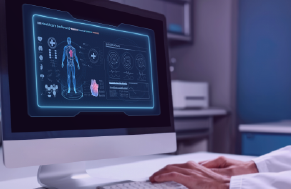
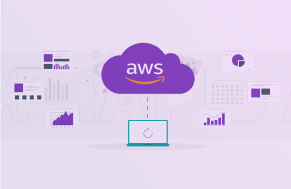
Fig 1: See how EHR clinical decision support seamlessly integrates into clinical workflows and enhances decision-making.

A. Enhanced Patient Safety

What happens when a critical drug interaction goes unnoticed during a busy clinical shift?

Medication-related errors remain one of the most preventable sources of patient harm in healthcare systems. Clinicians often manage multiple patients simultaneously, each with complex medication histories, allergies, and comorbidities. In such environments, relying solely on manual review increases the risk of oversight.

This is where EHR clinical decision support acts as a clinical safety net.

Within a clinical decision support system EHR environment, medication orders are automatically evaluated against a patient’s complete clinical profile. When a provider prescribes a medication, the system instantly checks for potential drug interactions, allergy conflicts, and dosing inconsistencies.

Several safety mechanisms typically operate within clinical decision support in EHR systems:

  1. Drug-drug interaction alerts
    The system flags medication combinations that may cause harmful interactions, prompting clinicians to reconsider or modify prescriptions.
  2. Allergy detection
    If a medication conflicts with a patient’s recorded allergy history, the system generates an alert before the order is finalized.
  3. Dose range validation
    Clinical decision support tools compare medication orders with recommended dosage ranges based on patient characteristics such as age, weight, and renal function.
  4. Duplicate therapy warnings
    Alerts notify clinicians when similar medications are prescribed simultaneously, helping prevent unintended duplication.

These safeguards enable EHR and clinical decision support to reduce medication errors before they reach the patient.

For hospital leadership, the impact is significant. Preventing adverse drug events not only protects patient safety but also reduces the clinical and financial burden associated with complications, extended hospital stays, and regulatory penalties.

Clinical decision support doesn’t replace clinical judgment. It strengthens it.

B. Evidence-Based Personalized Recommendations

Modern medicine generates an enormous volume of clinical knowledge. Guidelines, research findings, and treatment protocols evolve continuously across specialties.

The challenge for clinicians is translating that knowledge into daily practice while managing complex patient cases.

EHR clinical decision support addresses this challenge by combining patient-specific data with evidence-based clinical guidelines.

When clinicians access a patient’s chart, clinical decision support within EHR systems evaluates multiple data points simultaneously. Patient demographics, diagnoses, laboratory values, medication histories, and comorbid conditions can all be analyzed to generate tailored recommendations.

For example, a patient with diabetes, hypertension, and kidney disease may require treatment adjustments based on multiple overlapping guidelines. A clinical decision support system EHR can evaluate these factors in real time and suggest care pathways that align with current clinical standards.

This capability becomes particularly valuable when managing complex or chronic conditions.

Personalized CDS recommendations can support clinicians by:

  • suggesting appropriate diagnostic tests
  • recommending guideline-aligned treatments
  • highlighting care gaps in chronic disease management
  • identifying patients who require preventive interventions

For healthcare organizations pursuing value-based care strategies, clinical decision support and EHR integration ensure that evidence-based protocols are consistently applied across providers.

This reduces variability in treatment decisions and strengthens quality performance metrics tied to reimbursement programs.

C. Improved Diagnosis Accuracy

What if a key piece of clinical history is buried deep within a patient’s record?

Incomplete information is a common contributor to diagnostic errors. Clinicians may not always have immediate visibility into historical data such as past test results, previous diagnoses, or subtle changes in patient conditions over time.

EHR clinical decision support helps address this challenge by surfacing relevant insights that might otherwise remain hidden within large patient records.

Within a clinical decision support system EHR environment, algorithms analyze longitudinal patient data and highlight patterns that could influence diagnosis. This might include abnormal lab trends, overlooked symptoms, or historical risk indicators.

For instance, CDS tools may prompt clinicians to consider alternative diagnoses when patient symptoms align with known clinical patterns. Similarly, the system can remind providers to review historical results that could impact treatment decisions.

These insights support clinicians by ensuring that key information is not overlooked during time-sensitive decision-making.

For healthcare leaders focused on clinical quality, the broader benefit is consistency. When clinical decision support and EHR integration guide clinicians toward evidence-based diagnostic pathways, variation in care delivery decreases.

Hospitals can achieve more reliable diagnostic outcomes across departments and providers.

To explore real-world use cases of CDS tools supporting diagnostic decisions, see our examples of clinical decision support systems in action.

Ultimately, EHR clinical decision support strengthens clinical reasoning by ensuring the right information reaches the clinician at the right moment.

Need EHR-integrated clinical decision support that fits real workflows?

III. Operational Advantages for Providers and Health Systems Using EHR Clinical Decision Support

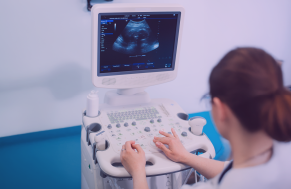
Fig 2: Visualize how clinical decision support systems improve patient safety by preventing medication errors and adverse drug events.

A. Increased Workflow Efficiency

How much time do clinicians lose switching between systems during a typical shift?

For many providers, the answer is significant. Clinicians often navigate multiple applications to review lab results, verify medications, check patient history, or confirm guideline recommendations. Each additional system introduces friction into the care process.

This is where EHR clinical decision support creates operational value.

When clinical decision support in EHR systems is embedded directly into clinical workflows, critical insights appear within the same interface clinicians already use for documentation and orders. Alerts, reminders, and risk indicators are automatically generated based on patient data without requiring clinicians to access external tools.

This reduces the need for manual chart reviews and system switching.

For example, when a physician enters a medication order, the clinical decision support system EHR immediately evaluates allergy history, potential drug interactions, and dosing recommendations. The clinician receives guidance within seconds without leaving the workflow.

This integrated experience enables EHR and clinical decision support to streamline decision-making while reducing unnecessary administrative steps.

From an operational perspective, the impact is measurable. Health systems implementing integrated CDS often report improved clinician efficiency because the system surfaces relevant information automatically rather than requiring manual searches.

For CIOs and CMIOs responsible for digital infrastructure, the key benefit is simple: fewer workflow interruptions and faster clinical decisions.

B. More Time with Patients

One of the most common complaints among clinicians today is the amount of time spent interacting with technology rather than patients.

Documentation requirements, compliance reporting, and fragmented digital systems often pull clinicians away from direct patient care. Over time, these burdens contribute to professional burnout and reduced job satisfaction.

EHR clinical decision support helps alleviate part of this burden by simplifying clinicians’ access to clinical insights.

Because clinical decision support and EHR integration surfaces relevant information during documentation and ordering workflows, clinicians spend less time searching for patient data or verifying clinical guidelines. Recommendations and alerts appear automatically based on the information already recorded in the chart.

This shift reduces cognitive load during complex decision-making.

Instead of manually cross-referencing guidelines or reviewing long patient histories, clinicians can rely on clinical decision support system EHR capabilities to highlight the most relevant information. The result is a more focused clinical workflow.

More importantly, clinicians gain something healthcare systems increasingly value: time.

When providers spend less time navigating systems, they can devote more attention to patient interactions, care coordination discussions, and shared decision-making with patients and families.

For health system leaders, improving clinician experience is not only a workforce issue. It is also a strategic priority tied to retention, quality performance, and long-term organizational stability.

C. Reduced Costs and Waste

Healthcare organizations face constant pressure to control costs while maintaining high-quality care delivery. Inefficient clinical decisions often contribute to unnecessary tests, avoidable complications, and prolonged hospital stays.

EHR clinical decision support helps address these challenges by guiding clinicians toward more informed decisions.

Within a clinical decision support system EHR environment, the system can flag redundant diagnostic tests, highlight appropriate treatment pathways, and identify potential complications before they escalate. These insights reduce clinical variation and improve resource utilization.

For example, CDS tools may alert clinicians when recent diagnostic imaging already exists, preventing unnecessary duplicate tests. Similarly, alerts related to medication interactions or contraindications can prevent complications that lead to costly adverse events.

These capabilities allow clinical decision support in EHR systems to influence both clinical outcomes and financial performance.

Health systems participating in value-based reimbursement models particularly benefit from this approach. By reducing preventable complications and unnecessary interventions, organizations can improve quality metrics tied to reimbursement programs.

From a financial perspective, clinical decision support and EHR integration support:

  • lower costs associated with adverse events
  • fewer redundant diagnostic procedures
  • improved performance in value-based care contracts

For CFOs and population health leaders, the takeaway is clear. When implemented effectively, EHR clinical decision support improves both clinical quality and operational efficiency across the organization.

IV. Quality and Clinical Outcomes with Clinical Decision Support and EHR Integration

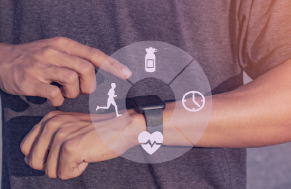
Fig 3: Discover how embedding clinical decision support within EHR systems enhances operational efficiency and reduces clinician workload.

A. Better Adherence to Guidelines

Clinical guidelines are designed to standardize care and ensure that patients receive evidence-based treatment. However, translating these guidelines into consistent clinical practice can be difficult.

Healthcare providers often work in fast-paced environments where dozens of decisions must be made quickly. Even experienced clinicians may not always recall every guideline recommendation relevant to a particular case.

This is where EHR clinical decision support strengthens consistency in care.

Within clinical decision support in EHR systems, guideline-based prompts and reminders appear during clinical workflows. If a patient qualifies for a recommended screening, preventive intervention, or treatment pathway, the system can automatically notify the clinician.

For example, CDS tools may remind providers to initiate evidence-based therapies for chronic conditions such as diabetes or heart disease. Preventive care reminders may also prompt clinicians to order screenings aligned with national guidelines.

These nudges encourage clinicians to follow established protocols without requiring them to consult guideline documentation manually.

The result is improved adherence to best practices across the organization.

For healthcare leaders, an EHR-integrated clinical decision support system provides a mechanism to operationalize clinical guidelines within daily workflows. Instead of relying solely on training or policy documents, the system actively reinforces evidence-based care.

This approach helps reduce variation in treatment decisions and strengthens quality performance across clinical departments.

B. Chronic Disease Management Improvements

Chronic diseases account for a significant portion of healthcare utilization and costs. Conditions such as diabetes, cardiovascular disease, and chronic respiratory illnesses require ongoing monitoring and coordinated care across multiple providers.

Managing these conditions effectively depends on continuous access to patient data and proactive care interventions.

EHR clinical decision support enables healthcare organizations to take a more proactive approach to chronic disease management.

By analyzing patient records over time, clinical decision support in EHR environments can identify trends in laboratory results, medication adherence patterns, and risk indicators. When certain thresholds are met, the system can alert clinicians or care managers that intervention may be necessary.

For example, a CDS system may flag patients with rising HbA1c levels, indicating worsening diabetes control. Care teams can then intervene earlier through medication adjustments, patient education, or follow-up appointments.

Population health programs also benefit from these insights. Risk-stratification tools within clinical decision support systems on EHR platforms allow healthcare organizations to identify high-risk patient populations and prioritize care management resources accordingly.

For VP-level population health leaders, this capability supports the transition from reactive treatment toward proactive care management.

C. Outcomes Evidence Snapshot

What measurable impact does EHR clinical decision support have on clinical outcomes?

When decision support tools are embedded within the EHR workflow, clinicians are more likely to follow recommended care pathways.

Studies have shown improvements in areas such as medication safety, preventive care delivery, and chronic disease management when clinical decision support and EHR integration are implemented effectively.

For example, medication alert systems have been shown to reduce prescribing errors, while guideline reminders can increase compliance with preventive screening recommendations.

These improvements translate into tangible clinical outcomes:

  • fewer adverse drug events
  • improved chronic disease control
  • higher preventive care screening rates
  • reduced hospital readmissions

The key factor driving these results is workflow integration. When clinical decision support in EHR systems appears at the moment of decision-making, clinicians are more likely to act on the guidance provided.

For healthcare executives, the implication is clear. EHR clinical decision support is not simply a technology upgrade. It is a clinical performance tool that can improve quality metrics and patient outcomes across the healthcare system.

V. Care Coordination and Team Communication Through EHR Clinical Decision Support

A. Unified View Across Care Teams

Imagine this situation.

A patient with heart failure is admitted to the hospital. The cardiologist adjusts medications, the hospitalist manages acute symptoms, and a care coordinator begins planning discharge. Each provider is making decisions based on the same patient, but not always with the same information.

What happens if one team member changes a treatment plan while another remains unaware?

Fragmented communication can lead to conflicting therapies, duplicated tests, or delays in care. This challenge becomes even more complex when multiple specialists are involved.

EHR clinical decision support helps address this problem by ensuring that critical clinical insights are visible across the entire care team.

Within a clinical decision support system EHR environment, alerts, recommendations, and patient risk indicators are embedded directly into the shared patient record. When a clinician interacts with the chart, the system’s insights are visible to other providers involved in the patient’s care.

For example, if the system identifies a patient at high risk of readmission, that insight becomes available to physicians, nurses, case managers, and population health teams simultaneously.

This shared intelligence allows clinical decision support in EHR systems to create a unified view of patient risk and care priorities.

Instead of relying on manual communication between departments, the EHR becomes the central coordination hub where clinical guidance and patient data converge.

For healthcare organizations, this alignment reduces the likelihood of inconsistent treatment decisions while improving collaboration across care teams.

B. Continuity Across Care Settings

Consider another scenario.

A patient receives treatment in the emergency department, is admitted for inpatient care, and later transitions to outpatient follow-up with a primary care physician.

Each stage of this journey involves different clinicians and different care environments. Without consistent information flow, important clinical insights may be lost during these transitions.

This is where EHR clinical decision support supports continuity of care.

Because CDS insights are embedded within the EHR, patient risk indicators, treatment recommendations, and care history remain visible as patients move across settings. When clinicians open the patient chart, they see not only historical data but also relevant guidance generated by the system.

For example, clinical decision support in EHR environments can highlight patients who require follow-up screenings, medication adjustments, or chronic disease monitoring after discharge.

These reminders help clinicians ensure that care plans remain consistent across different care settings.

From a population health perspective, clinical decision support and EHR integration enable organizations to maintain a continuous view of patient health rather than treating each encounter as an isolated event.

The result is stronger care coordination, fewer missed follow-ups, and improved long-term patient outcomes.

Turn your EHR into a smarter decision-making system.

VI. Challenges to Realizing Full Value of EHR Clinical Decision Support

Despite the advantages of EHR clinical decision support, implementation is not without challenges.

Healthcare organizations must carefully design how CDS tools interact with clinical workflows. Without thoughtful configuration and governance, decision support systems can introduce new operational problems.

One of the most widely discussed issues is alert fatigue.

Imagine a clinician receiving dozens of alerts during a single shift. If too many warnings appear, clinicians may begin ignoring them altogether, even when critical alerts appear. Over time, excessive alerts can undermine the effectiveness of CDS systems.

Another challenge involves interoperability limitations.

Many healthcare systems operate multiple platforms that do not easily exchange data. If CDS tools cannot access complete patient information across systems, their recommendations may be incomplete or inaccurate.

Workflow alignment is another important consideration.

What happens if CDS alerts appear at the wrong moment in the clinical process? If recommendations interrupt documentation or appear too early or too late in the decision workflow, clinicians may perceive the system as disruptive rather than helpful.

Finally, change management plays a significant role in the success of CDS.

Introducing clinical decision support system EHR capabilities often requires adjustments to established clinical processes. Physicians and nurses must understand how to interpret CDS alerts and how those alerts support clinical guidelines.

Without clear governance and clinician engagement, even well-designed CDS tools may struggle to achieve adoption.

For healthcare leaders, the key takeaway is that clinical decision support and EHR integration must be implemented thoughtfully, with continuous monitoring and optimization.

VII. How Mindbowser Helps You Implement EHR Clinical Decision Support Successfully

Implementing EHR clinical decision support requires more than enabling alerts inside an EHR platform. It involves aligning clinical workflows, integrating multiple data systems, ensuring regulatory compliance, and measuring clinical outcomes.

Healthcare organizations must also ensure that decision support tools enhance clinician workflows rather than interrupt them.

This is where specialized implementation expertise becomes critical.

Mindbowser works with healthcare organizations to design and deploy clinical decision support systems and EHR capabilities that integrate seamlessly with existing clinical workflows while meeting regulatory and operational requirements.

A. Compliance-First Discovery and Workflow Mapping

What if decision support alerts are technically correct but appear at the wrong moment in the workflow?

This situation is common when CDS systems are deployed without a clear understanding of real clinical processes.

Mindbowser begins each implementation with a structured discovery phase that evaluates existing clinical workflows, documentation practices, and operational constraints.

During this phase, teams analyze how clinicians interact with the EHR during different stages of care delivery. The goal is to identify where clinical decision support in EHR systems should appear to support decisions without disrupting the clinical workflow.

Compliance considerations are also evaluated early in the process.

Healthcare systems must align CDS implementations with regulatory frameworks, including HIPAA requirements, CMS reporting guidelines, and quality reporting programs. This ensures that EHR and clinical decision support initiatives support both clinical outcomes and regulatory compliance.

B. EHR Integration and Interoperability Engineering

Many healthcare organizations rely on multiple systems to manage clinical and operational data.

What happens if patient data exists across several platforms, but CDS tools cannot access all of it?

Mindbowser addresses this challenge by building integration layers that connect EHR platforms with analytics systems, population health tools, and external data sources.

The team supports integration with major EHR platforms, including Epic, Cerner, and Athenahealth, while implementing interoperability standards such as FHIR and HL7.

These integrations ensure that clinical decision support systems in EHR environments can access comprehensive patient data across the healthcare ecosystem.

Healthcare leaders interested in how modern CDS frameworks integrate with EHR workflows can explore this technical walkthrough on modern clinical workflows with AI agents and CDS Hooks.

C. AI-Powered Clinical Intelligence

Modern EHR clinical decision support increasingly incorporates artificial intelligence to identify patterns within large clinical datasets.

For example, predictive models can identify patients at risk of readmission, disease progression, or treatment complications.

Mindbowser integrates AI-driven clinical intelligence tools into CDS environments, enabling healthcare organizations to move beyond rule-based alerts.

These tools include:

  • AI readmission risk models that identify patients likely to require rehospitalization
  • CarePlan AI systems that generate personalized treatment pathways
  • AI medical summary tools that highlight critical patient insights within large records
  • Population health stratification models that identify high-risk patient groups

These capabilities extend clinical decision support and EHR integration beyond alerts and reminders toward predictive clinical guidance.

D. Measurable ROI and Performance Optimization

How do healthcare leaders know whether EHR clinical decision support is actually improving outcomes?

Mindbowser helps healthcare organizations measure the performance of CDS implementations using clear operational and clinical metrics.

Common measurable outcomes include:

  • Reduced adverse drug events
  • Improved adherence to evidence-based guidelines
  • Fewer duplicate diagnostic tests
  • Lower hospital readmission rates
  • Shorter average length of stay

These metrics allow organizations to evaluate the clinical and financial impact of clinical decision support in EHR environments.

For CFOs and operational leaders, these insights help quantify the return on investment associated with CDS initiatives.

E. Governance and Continuous Optimization

Fig 4: Learn about the governance framework that ensures effective and continuous optimization of clinical decision support systems.

Even the best CDS systems require ongoing monitoring.

Clinical guidelines evolve, patient populations change, and healthcare organizations continually refine care protocols.

Mindbowser supports healthcare organizations with governance frameworks that ensure clinical decision support system EHR capabilities remain effective over time.

This includes monitoring alert performance, adjusting triggers that generate CDS recommendations, analyzing clinician adoption patterns, and conducting regular compliance reviews.

Continuous optimization ensures that EHR and clinical decision support remain aligned with both clinical best practices and organizational goals.

coma

EHR Clinical Decision Support as a Strategic Imperative

In modern healthcare environments where clinical decisions must be made quickly and accurately, EHR clinical decision support has become a critical capability rather than a supplemental feature. By embedding intelligence directly within the electronic health record, healthcare organizations can improve patient safety, strengthen adherence to evidence-based guidelines, streamline clinician workflows, and support value-based care performance.

For hospital and health system leaders, the strategic opportunity is clear: when clinical decision support in EHR systems is designed around real clinical workflows and supported by strong governance, it transforms the EHR from a documentation platform into a proactive engine for safer, more efficient, and more consistent care delivery.

What is EHR clinical decision support?

EHR clinical decision support refers to tools embedded within electronic health records that provide clinicians with real-time guidance during patient care. These systems analyze patient data and generate alerts, reminders, or recommendations to support safer and more informed clinical decisions.

How does clinical decision support work inside an EHR system?

Within clinical decision support in EHR systems, patient information such as diagnoses, medications, and lab results is evaluated automatically. Based on predefined clinical rules or predictive models, the system delivers alerts or recommendations directly within the clinician’s workflow.

What are the main benefits of clinical decision support and EHR integration?

Clinical decision support and EHR integration improve patient safety, enhance diagnostic accuracy, and help clinicians follow evidence-based treatment guidelines. It also streamlines workflows by providing insights directly within the clinical system used during patient care.

How does EHR clinical decision support improve patient safety?

EHR clinical decision support improves safety by identifying risks such as drug interactions, allergy conflicts, and incorrect medication dosing before orders are finalized. These alerts act as an additional safeguard that helps clinicians prevent avoidable medical errors.

What challenges exist when implementing clinical decision support in EHR systems?

Organizations may face challenges such as alert fatigue, incomplete interoperability between systems, and workflow misalignment. Successful implementation of a clinical decision support system in an EHR requires careful configuration, clinician training, and continuous optimization.

Your Questions Answered

EHR clinical decision support refers to tools embedded within electronic health records that provide clinicians with real-time guidance during patient care. These systems analyze patient data and generate alerts, reminders, or recommendations to support safer and more informed clinical decisions.

Within clinical decision support in EHR systems, patient information such as diagnoses, medications, and lab results is evaluated automatically. Based on predefined clinical rules or predictive models, the system delivers alerts or recommendations directly within the clinician’s workflow.

Clinical decision support and EHR integration improve patient safety, enhance diagnostic accuracy, and help clinicians follow evidence-based treatment guidelines. It also streamlines workflows by providing insights directly within the clinical system used during patient care.

EHR clinical decision support improves safety by identifying risks such as drug interactions, allergy conflicts, and incorrect medication dosing before orders are finalized. These alerts act as an additional safeguard that helps clinicians prevent avoidable medical errors.

Organizations may face challenges such as alert fatigue, incomplete interoperability between systems, and workflow misalignment. Successful implementation of a clinical decision support system in an EHR requires careful configuration, clinician training, and continuous optimization.

Arun Badole

Arun Badole

Head of Engineering

Connect Now

Arun is VP of Engineering at Mindbowser with over 12 years of experience delivering scalable, compliant healthcare solutions. He specializes in HL7 FHIR, SMART on FHIR, and backend architectures that power real-time clinical and billing workflows.

Arun has led the development of solution accelerators for claims automation, prior auth, and eligibility checks, helping healthcare teams reduce time to market.

His work blends deep technical expertise with domain-driven design to build regulation-ready, interoperable platforms for modern care delivery.

Share This Blog

Read More Similar Blogs

Let’s Transform
Healthcare,
Together.

Partner with us to design, build, and scale digital solutions that drive better outcomes.

Location

5900 Balcones Dr, Ste 100-7286, Austin, TX 78731, United States

Contact form