The Future of Chronic Disease Management: How AI and Telehealth Are Revolutionizing Healthcare
Telehealth

The Future of Chronic Disease Management: How AI and Telehealth Are Revolutionizing Healthcare

Arun Badole
Head of Engineering
Table of Content

TL;DR

  • Telehealth and chronic disease management are transforming modern healthcare by enhancing patient access, reducing costs, and facilitating continuous care.
  • Providers are shifting from reactive treatment to proactive, data-driven monitoring that keeps chronic patients healthier at home.
  • Hospitals using telehealth report lower readmissions and stronger patient adherence to treatment plans.
  • Mindbowser builds scalable telehealth solutions tailored for chronic care programs, helping providers integrate remote monitoring, analytics, and engagement tools within their existing systems.
  • The result is a unified care ecosystem that delivers measurable ROI and better outcomes for patients and health systems alike.

Chronic diseases such as diabetes, hypertension, and cardiovascular conditions account for more than 70% of global deaths each year, according to the World Health Organization. Despite decades of medical advancements, traditional models of care often fail to effectively manage these long-term illnesses. Missed appointments, poor follow-up, and limited access to specialists leave patients vulnerable to preventable complications.

The rise of telehealth and chronic disease management has changed this equation. What began as a stopgap during the pandemic has evolved into a permanent pillar of healthcare delivery. Telehealth enables continuous, coordinated care beyond hospital walls, allowing patients to connect with their providers, share data in real-time, and stay on top of their treatment plans.

Hospitals and digital health companies that embrace this hybrid model are seeing meaningful results. Studies from McKinsey Health and the American Hospital Association indicate that sustained telehealth adoption can reduce hospital readmissions by up to 30 percent, while also improving patient satisfaction and adherence. For health systems balancing limited resources and rising demand for chronic care, this shift is not optional — it is essential.

At Mindbowser, we help healthcare organizations harness this momentum. Our focus is on building custom telehealth platforms for chronic disease management that combine compliance, data integration, and real-world usability. These platforms enable continuous monitoring, predictive insights, and patient engagement at scale, turning chronic care into a measurable performance advantage.

I. The New Standard of Chronic Care

A. Why Traditional Models Are Failing Chronic Patients

For decades, chronic disease management relied on episodic, clinic-based visits. Patients often received care only when symptoms worsened or complications arose. This reactive model left gaps in monitoring, communication, and adherence to treatment. According to the CDC, nearly half of adults with chronic conditions struggle to follow prescribed care plans, leading to preventable hospitalizations and higher long-term costs.

Clinicians face similar barriers. With limited time and fragmented records, they cannot always track patient progress between visits. As a result, valuable insights from daily behaviors, remote vitals, and lifestyle changes are often lost. The system was built for acute episodes, not continuous management.

Hospitals and health systems now recognize that sustainable chronic care requires a shift from visit-based to value-based care, supported by data and digital tools that maintain ongoing visibility into patient health.

B. How Telehealth Redefines Access and Continuity

Telehealth changes the way providers deliver and patients experience care. It brings chronic care into the patient’s daily life, replacing sporadic follow-ups with continuous engagement. According to the American Medical Association, over 60 percent of healthcare organizations now use virtual visits for chronic conditions such as diabetes and hypertension.

  1. Increased accessibility: Patients in remote or underserved areas can connect with specialists without the need for travel or waiting weeks for appointments.
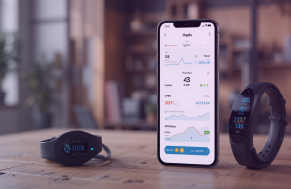
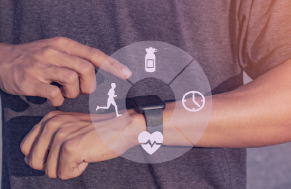
  2. Real-time monitoring: Wearables and home-based devices feed data directly to care teams, enabling early detection of health issues.
  3. Improved adherence: Frequent virtual touchpoints encourage patients to follow treatment plans and stay motivated.

This continuity fosters trust and accountability between patients and providers, thereby reducing avoidable complications and enhancing outcomes.

C. Mindbowser’s Approach to Transforming Chronic Care

At Mindbowser, we believe that technology should enhance, not complicate, the clinician’s workflow. Our telehealth solutions for chronic disease management are designed to fit seamlessly within a hospital’s existing ecosystem.

  1. Custom-built for real workflows: Each platform is designed around actual clinical processes, from scheduling to documentation, ensuring easy adoption by care teams.
  2. Integrated with EHR systems: Mindbowser platforms connect with major EHRs and RPM devices, creating a unified view of patient health.
  3. Compliance-first architecture: Every system is designed with HIPAA and regional data regulations in mind, ensuring privacy protection without compromising operations.

The result is a connected care environment where clinicians can monitor, engage, and intervene with confidence. For patients, it means a consistent experience across physical and virtual visits.

II. Precision and Proactivity: The Role of Data Intelligence

A. From Reactive Treatment to Predictive Care

Chronic disease management is shifting from symptom-based interventions to continuous, data-informed prevention. In traditional models, clinicians often responded to health issues after they occurred. With telehealth-supported data intelligence, care teams can now predict risks before they escalate.

Research from the Journal of Medical Internet Research indicates that remote patient monitoring, when combined with data analytics, can reduce hospitalizations by up to 25 percent. For conditions such as heart failure or diabetes, this approach enables physicians to adjust medications, monitor vital signs, and guide lifestyle changes proactively.

Predictive insights derived from longitudinal health data enable clinicians to identify patients who are most at risk of deterioration. This transition moves chronic care from a reactive to a preventive approach, improving both clinical outcomes and patient experience.

B. Integrating Data Across Devices and Care Systems

The strength of telehealth lies in its ability to unify data from multiple sources. Blood pressure cuffs, glucose monitors, and wearable sensors continuously collect data that, when integrated properly, create a full picture of a patient’s condition.

  1. Unified data streams: Telehealth platforms merge clinical records, device data, and patient-reported outcomes in one place.
  2. Simplified clinician dashboards: Centralized interfaces eliminate data silos, helping care teams interpret patterns quickly.
  3. Collaborative insights: Shared access enables physicians, nurses, and caregivers to coordinate care in real-time.

Mindbowser builds telehealth platforms that use secure APIs and FHIR standards to integrate seamlessly with existing hospital infrastructure. This ensures that care teams can view live patient data without having to switch between systems, thereby improving efficiency and reducing oversight risks.

C. Results from Data-Driven Care Models

The impact of combining telehealth and data intelligence is measurable and proven.

  1. Hospitals using data-integrated telehealth programs report 20-30% fewer readmissions among chronic patients.
  2. Clinical teams see improved adherence rates and faster intervention times.
  3. Patients experience a higher sense of involvement and control over their care journey.

Mindbowser’s client projects reflect these outcomes. In one implementation of a chronic care network, our telehealth system helped clinicians identify early signs of patient deterioration, resulting in a nearly one-third reduction in emergency visits within six months.

These results demonstrate that when telehealth and data intelligence work together, they create a foundation for proactive, personalized, and sustainable chronic care.

Get a Custom Telehealth Strategy Blueprint

III. Building the Future of Chronic Disease Management

A. Integrated Telehealth Ecosystems for Continuous Care

The next generation of chronic disease management relies on creating ecosystems that connect patients, providers, and data in real-time. These ecosystems go beyond virtual consultations. They integrate continuous monitoring, preventive analytics, and collaborative care tools that keep patients within the system long after a single visit.

  1. End-to-end connectivity: Modern telehealth platforms must connect wearables, mobile apps, EHRs, and pharmacy systems to form a seamless care loop.
  2. Continuous monitoring: Patients share vital data such as blood pressure or glucose levels directly from their devices, alerting clinicians when interventions are needed.
  3. Scalable infrastructure: Cloud-based systems enable hospitals and startups to scale chronic care programs to thousands of patients without compromising quality or compliance.

Mindbowser develops telehealth platforms that create this kind of connected ecosystem. Our solutions enable hospitals to deliver continuous, chronic care with real-time visibility into patient health, empowering clinical teams to make faster and more informed decisions.

B. Expanding Access and Improving Equity

One of the strongest impacts of telehealth is its ability to make chronic care more inclusive. Millions of patients in rural and semi-urban regions have limited access to specialists and follow-up services. Telehealth closes that gap by turning any smartphone or tablet into a gateway to care.

  1. Rural inclusion: Patients in remote areas can now connect with top-tier clinicians without the need for long-distance travel.
  2. Cultural and linguistic adaptability: Mindbowser builds multi-language interfaces and localized user experiences to ensure adoption across different regions.
  3. Low-bandwidth optimization: Our platforms are designed to function effectively even in areas with limited internet connectivity, ensuring that connectivity never becomes a barrier to care.

By removing distance, language, and infrastructure barriers, telehealth expands healthcare access to populations that need it most while helping hospitals extend their reach and reputation.

C. Sustainability and Compliance in Chronic Care Systems

Every digital healthcare system must strike a balance between innovation, safety, and sustainability. As telehealth platforms evolve, regulatory expectations for data privacy and ethical care continue to rise. Compliance is no longer optional. It is foundational.

  1. Regulatory alignment: Mindbowser platforms comply with HIPAA, GDPR, and regional data protection frameworks to ensure compliance with relevant regulations and maintain privacy and security.
  2. Enduring reliability: Our solutions are designed with redundancy and scalability, enabling providers to maintain uptime during high-demand periods.
  3. Transparent data management: Built-in consent workflows and audit trails safeguard patients and providers, maintaining trust and accountability.

Mindbowser ensures that hospitals and digital health companies can innovate confidently, knowing their telehealth systems are secure, compliant, and ready to scale sustainably.

V. How Mindbowser Can Help

A. Tailored Telehealth Platforms for Chronic Care

Every healthcare organization has unique workflows, patient populations, and technology ecosystems. Mindbowser builds custom telehealth solutions designed to match each client’s clinical and operational realities.

  1. Workflow-driven design: Our teams study real hospital operations before developing a platform, ensuring seamless integration with existing systems.
  2. Full interoperability: We connect with leading EHR systems, FHIR standards, and RPM devices to deliver a unified view of patient health.
  3. Scalable architecture: Mindbowser platforms support both pilot programs and enterprise-wide deployments, ensuring long-term flexibility and scalability.

The result is a platform that does not disrupt clinical work but enhances it, allowing clinicians to spend more time with patients and less time managing technology.

B. Discovery and Implementation with a Compliance-First Approach

Building a telehealth system for chronic disease management requires precision and foresight. Mindbowser’s Compliance-First Discovery Process ensures that every solution aligns with clinical, regulatory, and business needs from the outset.

  1. Discovery Blueprint: We document user journeys, data flows, and compliance checkpoints prior to development beginning.
  2. Regulatory readiness: HIPAA, GDPR, and local health data standards are embedded into the design, not added later.
  3. Faster go-live: Structured planning reduces rework, accelerates time to launch, and ensures a reliable implementation path.

This disciplined approach allows hospitals and digital health companies to deploy telehealth confidently, knowing that patient data and operational integrity remain protected at every stage.

C. Proven Delivery and Long-Term Partnership

Mindbowser’s success is built on consistent delivery and sustained collaboration. Our healthcare engineering teams include clinical SMEs, EHR experts, and data architects who understand both care delivery and technology.

  1. Workflows for faster deployment: Tools such as CarePlan AI and RPMCheck AI help organizations go live quickly with validated modules.
  2. Dedicated healthcare focus: We work exclusively with healthcare providers, payers, and digital health innovators.
  3. Post-launch optimization: Continuous monitoring and analytics enable refinement of platform performance and patient engagement over time.

Mindbowser acts not as a vendor but as a long-term innovation partner, helping organizations move from pilot success to full-scale chronic care transformation.

coma

Conclusion

The future of healthcare belongs to systems that make chronic disease management proactive, connected, and sustainable. Telehealth and chronic disease management are no longer separate strategies. Together, they form the foundation of value-based care where prevention, access, and personalization drive outcomes.

Hospitals that once relied on episodic treatment models are now embracing continuous engagement through virtual consultations, remote monitoring, and data-driven interventions. The results are clear—lower readmissions, improved adherence, and better patient satisfaction.

Mindbowser is helping healthcare organizations lead this transformation. Our platforms enable providers to extend care beyond hospital walls, continuously monitor patients, and intervene early. With a strong focus on compliance, interoperability, and scalability, we ensure that technology becomes an enabler of care rather than an obstacle to it.

The future of chronic care will be defined by those who invest in systems that keep patients connected, informed, and supported at every step. Mindbowser stands ready to help hospitals, health systems, and digital health innovators build that future today.

Arun Badole

Arun Badole

Head of Engineering

Connect Now

Arun is VP of Engineering at Mindbowser with over 12 years of experience delivering scalable, compliant healthcare solutions. He specializes in HL7 FHIR, SMART on FHIR, and backend architectures that power real-time clinical and billing workflows.

Arun has led the development of solution accelerators for claims automation, prior auth, and eligibility checks, helping healthcare teams reduce time to market.

His work blends deep technical expertise with domain-driven design to build regulation-ready, interoperable platforms for modern care delivery.

Share This Blog

Read More Similar Blogs

Let’s Transform
Healthcare,
Together.

Partner with us to design, build, and scale digital solutions that drive better outcomes.

Location

5900 Balcones Dr, Ste 100-7286, Austin, TX 78731, United States

Contact form