IoT Testing: A Complete Guide with Real-World Test Scenario Examples
Technology Blogs

IoT Testing: A Complete Guide with Real-World Test Scenario Examples

Manisha Bando
Quality Analyst Engineer

The Internet of Things (IoT) has transformed how devices, systems, and people interact. From smart homes and wearable devices to industrial automation and healthcare monitoring, IoT solutions are now deeply integrated into everyday life and business operations.

According to industry estimates, billions of devices are connected globally, continuously collecting, transmitting, and analyzing data. While this connectivity unlocks innovation and efficiency, it also increases complexity and risk. A small failure in an IoT ecosystem can lead to:

  • Security breaches
  • Data loss
  • Operational downtime
  • Regulatory penalties
  • Loss of customer trust

This is where IoT Testing plays a critical role. It ensures that connected devices, networks, platforms, and applications work reliably, securely, and efficiently under real-world conditions.

This comprehensive guide covers:

  • What IoT testing is
  • Why it is important
  • IoT architecture layers
  • Types of IoT testing
  • Key challenges
  • Testing strategy
  • Tools
  • Real-world test scenarios
  • Best practices
  • Automation and future trends

What is IoT Testing?

IoT Testing is the process of validating an IoT ecosystem to ensure it meets functional, performance, security, reliability, and usability requirements.

Unlike traditional software testing, IoT testing involves validating both hardware and software components across distributed environments.

A typical IoT system includes:

  • Sensors and Devices – Collect real-world data
  • Communication Networks – Transmit data using Wi-Fi, Bluetooth, Zigbee, LoRaWAN, or cellular networks
  • Cloud Platforms – Store, process, and manage data
  • Applications & Dashboards – Provide user interaction
  • Analytics Engines – Generate insights from collected data

Testing must cover all these layers individually and as an integrated system to ensure seamless operation.

Why is IoT Testing Important?

IoT solutions often operate in real time and handle sensitive or mission-critical data. Poor testing can lead to serious failures such as security breaches, device malfunction, or system outages.

Key Benefits of IoT Testing

  1. Ensures Device Reliability
    Validates that sensors and hardware function correctly under different conditions.
  2. Improves System Performance
    Measures latency, throughput, and response times.
  3. Prevents Security Breaches
    Identifies vulnerabilities before attackers exploit them.
  4. Enhances User Experience
    Ensures smooth interaction across devices and applications.
  5. Reduces Maintenance Costs
    Early defect detection reduces production failures.
  6. Ensures Regulatory Compliance
    Meets industry standards and legal requirements.

IoT Architecture Layers

Understanding IoT architecture helps design a more effective testing strategy.

1. Device Layer

This includes sensors, actuators, embedded systems, and firmware.

Testing Focus:

  • Sensor accuracy
  • Hardware compatibility
  • Firmware validation
  • Power consumption
  • Device boot time

2. Network Layer

Handles communication between devices and servers using protocols such as MQTT, HTTP, CoAP, Wi-Fi, Bluetooth, Zigbee, LoRaWAN, or 5G.

Testing Focus:

  • Network latency
  • Packet loss
  • Bandwidth usage
  • Protocol validation
  • Connectivity under unstable networks

3. Platform / Cloud Layer

Responsible for data storage, processing, device management, and analytics.

Examples include:

  • AWS IoT Core
  • Microsoft Azure IoT Hub
  • Google Cloud IoT Core

Testing Focus:

  • API validation
  • Data processing accuracy
  • Scalability
  • Multi-device management
  • Cloud security

4. Application Layer

Includes mobile apps, web dashboards, and reporting systems.

Testing Focus:

  • UI/UX validation
  • Data visualization accuracy
  • Role-based access
  • Cross-platform compatibility

Each layer must be tested independently and through end-to-end integration testing.

Types of IoT Testing

1. Functional Testing

Ensures that each feature behaves as expected.

Examples:

  • Device registration
  • Data transmission
  • Alert generation
  • Automation triggers

2. Performance Testing

Measures:

  • Response time
  • Throughput
  • Scalability
  • Load handling capacity

3. Security Testing

Critical in IoT due to distributed architecture.

Includes:

  • Penetration testing
  • Encryption validation
  • Authentication testing
  • Secure firmware updates

4. Compatibility Testing

Ensures compatibility across:

  • Devices
  • Operating systems
  • Browsers
  • Network environments

5. Usability Testing

Validates:

  • Ease of navigation
  • Accessibility
  • User satisfaction

6. Reliability Testing

Checks:

  • System stability
  • Recovery from crashes
  • Long-duration operation

7. Compliance Testing

Ensures adherence to:

  • Industry standards
  • Data protection regulations
  • Safety certifications

Get Help From Our QA Experts To Accelerate IoT Testing And Automation.

Key Challenges in IoT Testing

IoT testing is more complex than traditional application testing due to:

  • Multiple device types and vendors
  • Hardware dependency
  • Network instability
  • Large data volumes
  • Real-time processing
  • Security vulnerabilities
  • Limited device memory and CPU

To overcome these challenges, organizations need structured test strategies, automation, and simulation tools.

IoT Testing Strategy

A structured approach ensures better coverage and defect detection.

Step 1: Requirement Analysis

Understand:

  • Business goals
  • Device capabilities
  • Security needs
  • Regulatory requirements

Step 2: Test Planning

Define:

  • Test scope
  • Environments
  • Tools
  • Risk areas
  • Timelines

Step 3: Test Environment Setup

Configure:

  • Physical devices
  • Simulators and emulators
  • Network configurations
  • Cloud environments

Step 4: Test Execution

Perform:

  • Functional testing
  • Performance testing
  • Security testing
  • Integration testing

Step 5: Defect Management

  • Log defects
  • Prioritize issues
  • Perform root cause analysis
  • Validate fixes

Step 6: Regression Testing

Ensure new changes do not break existing functionality.

IoT Testing Tools

Some widely used tools include:

  • Postman – API testing
  • Apache JMeter – Load & performance testing
  • Wireshark – Network traffic analysis
  • Selenium – Web UI testing
  • Appium – Mobile app testing
  • MQTT.fx – MQTT protocol testing
  • Device simulators and emulators
  • AWS and Azure IoT testing utilities

Selecting tools depends on architecture, scale, and project requirements.

Real-World IoT Test Scenario Examples

1. Smart Home System

Scenario: User controls lights and AC via mobile app.

Test Cases:

  • Verify device registration
  • Validate ON/OFF command response time
  • Test remote access via internet
  • Validate voice assistant integration
  • Test offline behavior and auto-reconnect

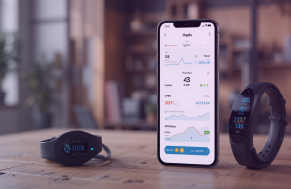
2. Wearable Fitness Tracker

Scenario: Fitness band tracks steps and heart rate.

Test Cases:

  • Validate sensor accuracy
  • Check Bluetooth pairing stability
  • Verify data synchronization
  • Test battery performance
  • Validate firmware update process

3. Industrial IoT Monitoring System

Scenario: Sensors monitor factory equipment.

Test Cases:

  • Validate real-time data accuracy
  • Test alert generation thresholds
  • Verify dashboard visualization
  • Conduct load testing under heavy traffic
  • Test failover and redundancy

4. Smart Healthcare System

Scenario: Remote patient monitoring.

Test Cases:

  • Validate real-time vitals monitoring
  • Test emergency alert triggers
  • Verify end-to-end data encryption
  • Ensure regulatory compliance
  • Validate backup and disaster recovery

5. Smart Agriculture System

Scenario: Soil sensors control irrigation.

Test Cases:

  • Validate moisture sensor readings
  • Test automation triggers
  • Integrate weather data validation
  • Verify mobile alerts
  • Measure power efficiency

Sample IoT Test Case Template

Test Case IDScenarioPreconditionStepsExpected ResultStatus
ST-001DeviceDevice Power ONPower ON deviceDevice boots without errorHigh
ST-002DeviceNetwork ConnectionConnect to configured Wi-FiDevice connects successfullyHigh
ST-003Device/CloudDevice RegistrationRegister device in platformDevice appears in dashboardHigh
ST-004NetworkData TransmissionSend telemetry dataData received in cloudHigh
ST-005CloudData StorageVerify database entryData received in cloudHigh
ST-006AppUser LoginLogin with valid credentialsLogin successfulHigh
ST-007AppDevice ListingOpen device listRegistered device visibleHigh
ST-008AppCommand ExecutionSend ON/OFF commandDevice responds correctlyHigh
ST-009CloudAlert TriggerCross threshold valueAlert generatedMedium
ST-010SystemEnd-to-End FlowCapture → Send → DisplayData visible in dashboardHigh

Best Practices for IoT Testing

  • Use device simulators early in development
  • Automate repetitive scenarios
  • Perform regular security audits
  • Test in real-world network conditions
  • Validate firmware updates carefully
  • Monitor logs and metrics continuously
  • Conduct end-to-end integration testing

Role of Automation in IoT Testing

Automation significantly improves efficiency, scalability, and coverage.

Key Areas for Automation:

  • API validation
  • Regression testing
  • Load testing
  • Device simulation
  • Continuous Integration/Continuous Deployment (CI/CD) pipelines

Popular automation frameworks include:

  • Selenium
  • Appium
  • PyTest
  • Robot Framework

Automation reduces manual effort and accelerates release cycles.

Future Trends in IoT Testing

  1. AI-driven test automation
  2. Digital twins for device simulation
  3. Edge computing validation
  4. Blockchain-based IoT security testing
  5. Cloud-native testing environments

As IoT ecosystems evolve, testing strategies must become more intelligent and adaptive.

coma

Conclusion

IoT testing is essential for building reliable, secure, and scalable connected systems. Due to complex architecture, distributed environments, and hardware-software integration, testing must be comprehensive and continuous.

By following structured testing strategies, leveraging the right tools, automating critical workflows, and validating real-world scenarios, organizations can confidently deliver high-quality IoT solutions.

Investing in strong IoT testing practices today ensures better performance, stronger security, regulatory compliance, and higher customer satisfaction tomorrow.

Manisha Bando

Manisha Bando

Quality Analyst Engineer

4+ years of experience in Websites & Mobile App testing. Seeking to leverage top-notch analytical skills and industry knowledge as a Quality Assurance Analyst at Mindbowser Inc. to help the company reach its goals in terms of product reliability and customer satisfaction.

Share This Blog

Read More Similar Blogs

Let’s Transform
Healthcare,
Together.

Partner with us to design, build, and scale digital solutions that drive better outcomes.

Location

5900 Balcones Dr, Ste 100-7286, Austin, TX 78731, United States

Contact form