Evaluating Redox? Read This Before You Decide.

#ConnectHealth# goes beyond API connectivity by embedding operational logic directly into intake, scheduling, and referral workflows, helping healthcare organizations scale #without multiplying complexity#.

The Real Problems Healthcare Leaders Are Trying to Solve

Healthcare integration conversations are rarely technical at first. They begin with operational friction.
Below are the six recurring challenges CIOs, CTOs, and VP Operations encounter when modernizing healthcare systems

 Intake Delays Impact Revenue

Intake Delays Impact Revenue

Fragmented intake across forms, portals, call centers, and EHR systems slows appointment confirmation and increases manual rework. The result is delayed revenue capture and higher patient drop-off before care even begins.

Eligibility Verification Slows Scheduling

Eligibility Verification Slows Scheduling

When eligibility checks operate outside core workflows, scheduling stalls, and staff are forced into manual payer follow-ups. This increases the risk and reduces financial clarity for patients upfront.

Referral Leakage Reduces Margin

Referral Leakage Reduces Margin

Unstructured referrals and manual routing processes cause patients to fall through gaps before conversion. Without coordinated tracking, downstream revenue and network capture decline.

Engineering Bottlenecks Delay Go-Lives

Engineering Bottlenecks Delay Go-Lives

Workflow updates and integration changes often depend heavily on IT bandwidth, slowing implementation and limiting operational agility. Over time, maintenance overhead increases while time-to-value stretches.

EHR Integrations Multiply Over Time

EHR Integrations Multiply Over Time

As services and vendors expand, HL7, FHIR, and third-party integrations accumulate, creating architectural sprawl. Governance becomes complex, and workflow inconsistencies increase.

Scaling Across Locations Increases Complexity

Scaling Across Locations Increases Complexity

Multi-site growth introduces variation in intake logic, routing rules, and reporting standards. Without centralized control, operational inefficiencies compound, and patient experience becomes inconsistent.

For many organizations evaluating Redox integration or similar healthcare API platforms, this API-first model represents an important step toward structured interoperability and reduced interface overhead.

Why API-First Healthcare Integration Became Popular

As healthcare systems expanded, organizations sought standardized ways to simplify EHR integration using healthcare APIs and FHIR-based interoperability.
Platforms such as Redox gained attention for reducing custom interface complexity and accelerating connectivity.

Standardized Data Exchange

Standardized Data Exchange

API-first platforms use HL7 and FHIR standards to normalize healthcare data exchange across EHR systems and third-party applications.

Reduced Custom Interfaces

Reduced Custom Interfaces

Instead of building one-off integrations, reusable healthcare API endpoints reduce custom development effort and implementation time.

Centralized Connectivity

Centralized Connectivity

A centralized integration layer replaces multiple point-to-point connections, simplifying EHR integration management.

Business Automation

Where Connectivity Alone Falls Short.

Icon

Data Syncs Across Systems, but Intake Workflows Remain Manual

Even with EHR integration in place, staff often reconcile demographics, insurance details, and scheduling steps across disconnected tools.

Icon

Eligibility Verification Is Not Embedded in Scheduling

Coverage checks frequently operate outside core intake workflows, slowing confirmation and increasing denial exposure.

Icon

Referral Routing Lacks Workflow Orchestration

Inbound referrals may enter through APIs, but specialist routing, follow-up, and status tracking still require manual coordination.

Icon

Operational Changes Still Depend on Engineering Teams

Integration platforms streamline connectivity, yet workflow updates and routing adjustments often require technical intervention.

Icon

Integration Complexity Expands as New Connections Are Added

Each additional endpoint, vendor, or site increases configuration management and long-term governance overhead.

Icon

API Visibility Shows Data Movement, Not Workflow Performance

Healthcare API platforms monitor transactions, but they rarely provide insight into intake velocity, referral leakage, or scheduling bottlenecks.

ConnectHealth Is Built Around Workflows, Not Just APIs

Modern healthcare integration must go beyond connectivity. ConnectHealth combines EHR interoperability with workflow orchestration to align integration directly with operational outcomes.

Direct EHR Integration Across Major Systems

Direct EHR Integration Across Major Systems

ConnectHealth integrates with Epic, Cerner, Athena, and other EHR platforms using secure, standards-based connectivity.

Full HL7 and FHIR API Support

Full HL7 and FHIR API Support

Native support for HL7 messaging and FHIR healthcare APIs ensures structured, interoperable data exchange.

Eligibility & Benefits Verification Embedded in Intake

Eligibility & Benefits Verification Embedded in Intake

Coverage checks are integrated directly into scheduling and intake workflows, reducing downstream delays.

Native Clearinghouse Connectivity

Native Clearinghouse Connectivity

ConnectHealth connects with clearinghouses as part of the workflow layer, not as a disconnected add-on.

Multi-Channel Appointment Capture Automation

Multi-Channel Appointment Capture Automation

Appointments from in-person visits, referrals, call centers, and patient portals are unified within a single orchestration layer.

Agentic Intake Orchestration

Agentic Intake Orchestration

Configurable workflow logic routes tasks, validates data, and triggers actions automatically across systems.

Reduced Engineering Dependency

Reduced Engineering Dependency

Operational teams can configure workflows without heavy development cycles, increasing agility.

Scales Across Locations Without Integration Sprawl

Scales Across Locations Without Integration Sprawl

Centralized governance and configurable workflow templates support multi-site growth without multiplying integration complexity.

Integration Is Infrastructure, Operations Drive ROI.

Healthcare API integration is foundational. It ensures systems connect, data flows securely, and EHR interoperability is achieved.

But connectivity alone does not generate revenue, reduce staff burden, or improve patient access.

Operational orchestration does.

Connectivity Solves Data Exchange
API-based healthcare integration enables structured HL7 and FHIR interoperability between EHR systems and third-party applications.
It reduces custom interfaces and standardizes data movement.
This is essential infrastructure.

Orchestration Solves Operational Performance
Workflow automation enhances intake velocity, integrates eligibility verification into scheduling, streamlines referral routing,
and minimizes manual intervention.
This is where revenue acceleration, efficiency gains, and patient experience improvements occur.

ConnectHealth combines both layers, secure healthcare integration and workflow-native orchestration, within a unified architecture.
Because interoperability enables operations.
But orchestration drives outcomes.

Dimension ConnectHealth API-First Integration Platform (e.g., Redox)
Core ModelWorkflow-native integration platformAPI-first connectivity platform
Primary FocusOperational orchestration + interoperabilitySystem-to-system data exchange
Time to Initial IntegrationRapid EHR connectivity with embedded workflowsAccelerated API connectivity
Time to Operational ImpactShorter, as workflows activate alongside integrationLonger, as workflow automation requires additional layers
Implementation ApproachIntegration + workflow configuration in parallelIntegration first, workflows configured separately
Cost Structure PhilosophyConsolidates integration and workflow layersTypically scales with connections and transaction volume
Long-Term Cost ScalabilityDesigned to reduce integration sprawl and duplicate toolingAdditional connections and systems increase overhead
Low-Code / No-Code CapabilityOperational teams configure workflows with minimal engineeringAPI configuration primarily developer-led
Engineering DependencyReduced through workflow configurabilityOngoing development cycles for changes
Eligibility VerificationEmbedded within intake workflowsOften external to core integration layer
Clearinghouse ConnectivityNative orchestration-level integrationEndpoint-based connectivity
Multi-Site ScalabilityCentralized governance with reusable workflow templatesAdditional integration layers per site/vendor
Operational VisibilityWorkflow-level metrics across intake, referrals, and eligibilityAPI transaction-level visibility
Business Automation

From #API Connectivity to Workflow Performance#: What Leaders Must Evaluate

Icon

Time to Operational Impact

How quickly does integration translate into measurable workflow activation not just system connectivity?

Icon

Workflow Automation Depth

Does the platform simply move data, or does it orchestrate intake, routing, and scheduling processes end-to-end?

Icon

Eligibility Verification Capabilities

Is eligibility embedded directly within intake and scheduling workflows, or handled externally?

Icon

Scalability Across Facilities

Can the architecture support multi-site growth without multiplying integrations and configuration overhead?

Icon

Long-Term Cost Structure

How does cost scale as connections, locations, and transaction volumes increase over time?

Icon

Engineering Dependency Risk

Will workflow updates and operational adjustments require ongoing development cycles?

Icon

Customization Flexibility

Can operational teams adapt routing logic, validation rules, and workflows without rebuilding integrations?

Icon

Strategic Perspective

Does your healthcare API strategy stop at connectivity, or does it enable operational efficiency and sustainable scale?

Still Evaluating Redox? See the Workflow Difference.

If you're comparing API-first integration platforms, don’t stop at connectivity. See how ConnectHealth activates intake, eligibility, and referral workflows alongside EHR integration reducing engineering dependency and accelerating operational ROI.

Request a workflow architecture walkthrough tailored to your organization.


Healthcare Use Cases That Prove Real ROI

In just 5 minutes, see how Stedi and ConnectHealth come together to provide a seamless, automated solution for eligibility verification. Watch how real-time eligibility checks, AI-driven workflows, and EHR integration work in practice.

Key Questions Healthcare Leaders Ask Before Choosing an Integration Platform

ConnectHealth integrates directly with major EHR platforms such as Epic, Cerner, and Athena using secure, standards-based interoperability. It supports HL7 messaging and FHIR healthcare APIs while embedding integration logic directly into operational workflows. This enables both structured data exchange and workflow orchestration within a unified architecture.

Healthcare organizations evaluating Redox integration may consider ConnectHealth when they require more than API connectivity. While API-first platforms focus primarily on system-to-system data exchange, ConnectHealth combines EHR integration with workflow-native orchestration, eligibility automation, and operational configurability within a single platform.

API integration enables systems to exchange data using standardized formats such as HL7 and FHIR. Workflow orchestration governs how that data triggers operational processes including intake routing, eligibility verification, referral coordination, and scheduling logic. Integration moves information; orchestration moves outcomes.

Yes. ConnectHealth supports both HL7 messaging and FHIR-based healthcare APIs to ensure interoperability with modern EHR systems and digital health platforms. These standards are embedded within a broader workflow-native integration architecture rather than functioning as standalone connectivity layers.

ConnectHealth embeds eligibility and benefits verification directly within intake and scheduling workflows. Instead of treating verification as a separate step, coverage checks are integrated into the orchestration layer to reduce delays, minimize denial risk, and improve operational efficiency.

Proudly Building for #Healthcare’s Boldest Innovators#

From leading hospitals to digital-health companies, Mindbowser powers real-world healthcare transformation.

Compliance-driven delivery, by design.

HIPAA
SOC 2

Why We’re Your #Greatest Fit#

We don’t just deliver solutions we build partnerships that drive transformation. With a proven track record in healthcare technology, we understand the industry’s unique challenges and offer customized solutions to help you achieve breakthroughs.

Clinical Expertise tech driven

Clinical Expertise, Tech-Driven

Deep healthcare knowledge ensures technology aligns with real-world clinical workflows, driving impact.

Accelerators for Faster Launch

Accelerators for Faster Launch

Pre-built components reduce engineering time by 30-40%, helping you get to market quickly.

AI with Enterprise-Grade Guardrails

AI with Enterprise-Grade Guardrails

AI models are trained on your local data in your secure cloud environment.

Strong Industry Partnerships

Strong Industry Partnerships

Proven integrations ensure seamless connectivity with EHRs, payers, and digital health ecosystems.

Domain expertise

Domain Expertise

Delivered 50+ healthcare solutions across 10+ countries, representing our ability to provide a diverse healthcare ecosystem.

costomized solutions

Customized Solutions

Reduced the development time by 40% by implementing customized solutions for every challenge.

Own your IP

Own Your IP

We deliver 100% ownership with a perpetual license for IP and code, enabling seamless data integration. Ensure full control and flexibility.

Integration and scalability

Integration and Scalability

Ensure seamless integration with your systems and scalability to adapt to evolving needs.

Ready to use library

Ready-to-Use Libraries

Our 50+ prebuilt frameworks accelerate the development process and reduce time-to-market by 30%.

Ready AI Agents

Ready AI Agents

The specialized AI tools are customized to address healthcare challenges, significantly improving diagnostic efficiency by 25%.

Center of excellence

Center of Excellence

Stay informed with our hub, offering insights and thought leadership to empower your team.

design thinking led approach

Design Thinking-led Approach

Achieved 90+ NPS with a user-centric approach ensuring seamless adoption and superior experience.

quality automation

Quality Automation

Leverage automation to reduce errors by 60%, boost efficiency, and enhance care quality.

Transparent Pricing Structures

Transparent Pricing Structures

Our clear, open pricing ensures you understand your investment without hidden costs or surprises.

Why partner with us

A Glance of Our Work

A quick look at how we help organizations transform ideas into outcomes.

View All →
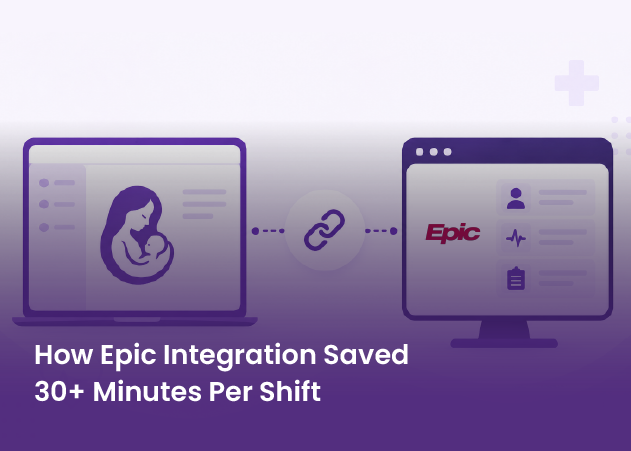
Revolutionizing Birth Model: EHR Integration for Efficiency & Savings

Revolutionizing Birth Model: EHR Integration for Efficiency & Savings

A real-world case study on EHR integration and healthcare data automation for a childbirth platform supporting 2,500 hospitals and achieving $23,500 in average cost savings.

EHR Platform Case Study | MindBowser

EHR Platform Case Study | MindBowser

Mindbowser created an advanced way to track healthcare records, that saves medical data in one place, promoting transparency in the EHR Platform.

Partnering with #Industry Leaders# to Drive Smarter Healthcare

Collaborating with Industry Leaders for Smarter Healthcare

We Connect Your Systems

FHIR-based interfaces unify patient data for seamless coordination.

We Enable Seamless Data Exchange

Healthcare APIs streamline data flow across ecosystems.

We Monitor Health in Real Time

Wearable integrations deliver continuous insights for proactive care.

We Power Healthcare Applications

Cloud infrastructure ensures reliability, compliance, and scalability.

Let’s Transform
Healthcare,
Together.

Partner with us to design, build, and scale digital solutions that drive better outcomes.

Location

5900 Balcones Dr, Ste 100-7286, Austin, TX 78731, United States

Contact form