
 BLOGS
BLOGS  NEWSROOM
  CASE STUDIES
  WEBINARS
  PODCASTS
  ASSET HUB
  EVENT CALENDAR
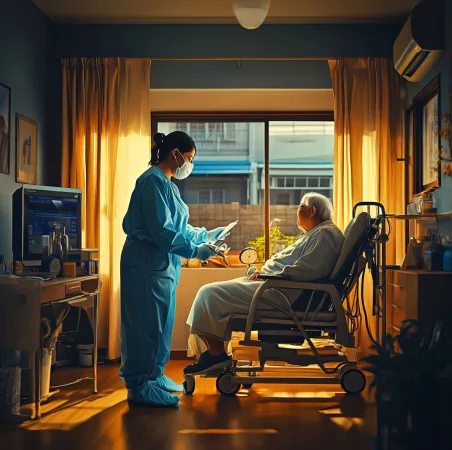
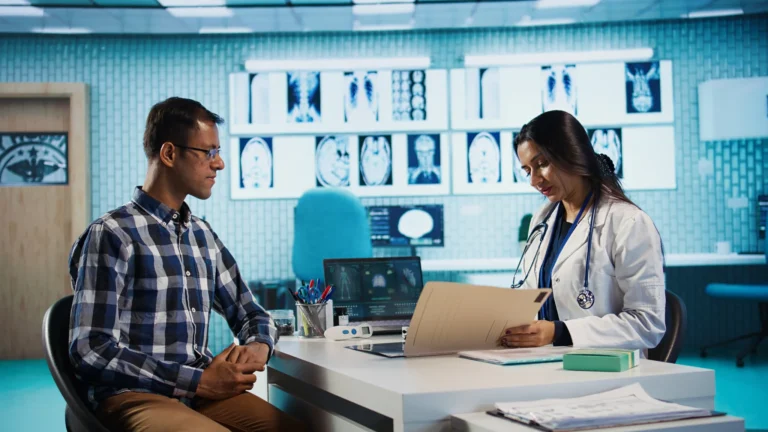















Remote Patient Monitoring (RPM) is a major breakthrough in healthcare, allowing patients to be monitored and managed from the comfort of their homes instead of visiting a clinic. This technology offers patients more convenience while helping doctors keep a close eye on chronic conditions with real-time data. However, the success of RPM relies heavily on how well its user experience (UX) is designed. A great UX design makes it easier for patients to use, increases their willingness to stick with the program, and leads to better health outcomes.
The Importance of User Experience Design in Healthcare
User experience design in healthcare is crucial because it directly influences patient engagement and adherence to treatment protocols. An intuitive and user-friendly interface can reduce the learning curve associated with new technology, making it easier for patients to monitor their health and communicate with their healthcare providers. Improved UX design can lead to better patient outcomes by ensuring that patients can use RPM tools effectively, which in turn enhances the accuracy of health data collected and supports timely medical interventions.
Related read: 16 Digital Healthcare UX Trends to Watch Out in 2024
➡️ Key Elements of Exceptional UX Design in RPM
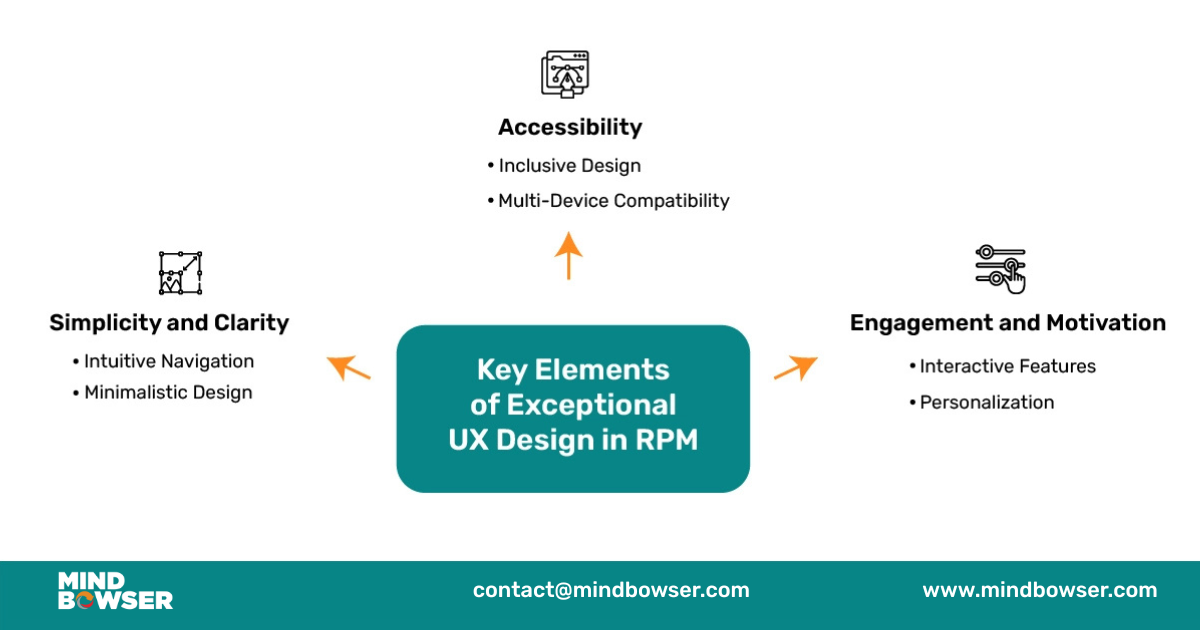
1️⃣ Simplicity and Clarity
▪️Intuitive Navigation: RPM tools should feature straightforward navigation paths with clearly labeled buttons and sections. This ensures that patients, regardless of their tech-savviness, can easily understand how to use the device or app without confusion. For instance, step-by-step wizards or guided tutorials can assist users in setting up and using the device effectively.
▪️Minimalistic Design: A clutter-free interface helps patients focus on their health data without distraction. Essential features such as real-time health metrics, alerts, and communication options should be prominently displayed, while non-essential information should be minimized or hidden to avoid overwhelming the user.
2️⃣ Accessibility
▪️Inclusive Design: RPM tools must cater to a diverse patient population, including those with visual, auditory, or cognitive impairments. Features such as voice commands, large text options, and high-contrast modes ensure that all patients can use the technology effectively. For example, a visually impaired user might benefit from audio feedback or screen reader compatibility.
▪️Multi-Device Compatibility: Patients should have the flexibility to access their health information across different devices—smartphones, tablets, and desktops. This multi-platform approach ensures that patients can monitor their health data and communicate with their healthcare providers no matter which device they are using.
3️⃣ Engagement and Motivation
▪️Interactive Features: Integrating gamification elements such as achievement badges, progress bars, and interactive challenges can make health management more engaging. For instance, setting daily or weekly health goals and rewarding patients for meeting these goals can increase adherence to treatment plans.
▪️Personalization: Customizable features allow patients to tailor the RPM tools to their specific needs and preferences. This might include adjustable notification settings, personalized health insights, or the ability to track specific health metrics that are relevant to their condition.
Ready to Enhance Your RPM Solutions with Exceptional UX Design?
➡️ Health Apps with RPM Devices
🔹 Health and Fitness Apps
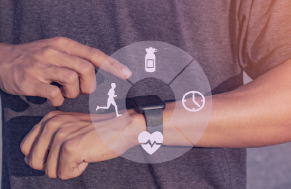
▪️User-Friendly Interfaces: Apps like Fitbit and MyFitnessPal are designed to provide a seamless and enjoyable user experience. They use visually appealing dashboards, easy-to-understand graphs, and interactive features to keep users motivated and engaged in their health goals.
▪️Social Features: Many fitness apps leverage social connectivity by allowing users to share their achievements, join community challenges, or participate in group activities. These social features can foster a sense of community and encourage users to stay committed to their fitness routines.

See How We Built an AI-Powered Remote Patient Monitoring Solution for Elderly Care
A healthcare-focused digital solution designed to improve elderly care through real-time remote patient monitoring. Built with BLE-enabled device integration, care management dashboards, admin controls, and billing optimization features, the platform helped streamline healthcare operations, strengthen patient engagement, and support better care coordination across patients, providers, and administrators.
🔹 RPM Devices
▪️Accuracy and Reliability: Unlike general fitness apps, RPM devices are designed to handle critical health data and must provide precise and consistent measurements. The accuracy of these devices is vital for effective disease management and timely intervention. For example, a blood pressure monitor used in RPM must provide readings that healthcare providers can trust to adjust treatment plans.
▪️Regulatory Compliance: RPM devices must adhere to stringent healthcare regulations and standards to ensure patient safety and data security. This includes compliance with data protection laws, such as HIPAA in the United States, and ensuring that the devices meet specific medical device standards.
▪️Patient Education: RPM tools often come with educational materials to help patients understand their health conditions and how to use the devices properly. This might include instructional videos, FAQs, and live support options to address any issues or questions that arise during use.
➡️ The Role of Care Plans and Gamification in RPM
🔹Care Plans
▪️Personalized Plans: RPM tools often integrate personalized care plans that outline specific goals and actions for managing a patient’s health condition. These plans are tailored based on individual health data and needs, offering a structured approach to treatment.
▪️Regular Updates: Care plans should be reviewed and updated regularly based on new health data and patient feedback. This dynamic approach ensures that the care plan remains relevant and effective as the patient’s condition evolves.
🔹Gamification for Health Improvement
▪️Motivation Through Rewards: Gamification elements can increase patient motivation by providing rewards for achieving health goals. For example, patients might earn points or badges for completing daily health tasks or reaching specific milestones.
▪️Interactive Reminders: Features such as interactive reminders and feedback loops help patients stay engaged with their health management routine. These reminders can include prompts for medication adherence, exercise, or other health-related activities.
Conclusion
Wrapping up, user experience (UX) design is key to the success of Remote Patient Monitoring (RPM) programs. By prioritizing simplicity, accessibility, and engagement, healthcare providers can enhance patient compliance and trust, leading to better outcomes.
Good UX not only makes RPM tools easier to use but also strengthens the connection between patients and healthcare providers, enabling timely interventions and personalized care.
At Mindbowser, we recognize the vital role of user experience in Remote Patient Monitoring. Our dedication to creating intuitive and engaging designs ensures that patients can manage their health with confidence and ease, ultimately contributing to better health outcomes and a more connected healthcare experience.